Amazon affiliate links - we earn a commission.Affiliate disclosure
Guide·12 min read

How to Hide TV Wires: What Is Safe Inside a Wall and What Is Not

In-wall rated cable kits, raceways, power bridge kits and behind-stand routing, plus what electrical code forbids when you hide TV cables.

By Elena Hart · Updated 2026-11-20

Quick answer

There are four safe ways to hide TV wires: run low-voltage cables through the wall using in-wall rated CL2 or CL3 cable and recessed wall plates, install a paint-matching raceway on the surface, use a power bridge kit that brings power to the TV's height through a code-compliant inlet and outlet, or route cables behind a stand or through furniture. Never run a standard power cord inside a wall, because it is not rated for in-wall use and can overheat or fail where a nail or staple pinches it.

A wall-mounted television with a black cable hanging down the wall is the visual equivalent of a stain on a new shirt. Most people want the wires gone, and most search results reply with a tutorial that tells them to cut a hole in the drywall and push the TV's power cord through it. That advice is the one piece of the job that can cause a fire, and it is worth understanding why before picking up a drywall saw.

This guide separates the methods into what is safe, what depends on the cable you use and what code forbids. It covers the four routes that work, the cable ratings that make in-wall runs allowed, how to choose between a kit and a surface raceway, and the mistakes that leave you with a bundle of cords you cannot reach again.

Power and signal are different problems

A television has two kinds of cable. The signal cables, HDMI from a soundbar or console, an optical audio lead and an Ethernet line, carry low voltage data and are safe to run inside a wall if they are the correct type. The power cord carries household current, around 120 volts in North America, and sits under different rules. The two are routed differently, and the way they are handled explains why a tidy-looking solution can go wrong.

Low voltage cables are classified by their fire resistance. Cable jacket ratings such as CL2 and CL3 indicate that the cable is rated for in-wall use for power-limited circuits, and cables marked CM or similar apply to communications. A plain HDMI cable bought for its length may not carry any in-wall rating, and its jacket may not slow the spread of flame. A rated cable has the marking printed on the jacket, usually every few feet, and it is a simple thing to check before you pull it through a wall.

Power is handled differently. A normal appliance cord is designed for use in the open, where heat can escape and where a person can see damage. Inside a wall it is hidden, surrounded by insulation and subject to pinching by studs, nails and staples. For that reason standard cords are not accepted in wall cavities, and building codes in most places forbid it. The solution that code does allow is an in-wall power kit that is listed for the purpose.

The four routes that work

MethodHidesNeeds wall workRenter friendly
In-wall rated cable and platesHDMI, audio, networkYes, two small openingsNo
Power bridge kitPower cord plus signal cablesYes, two small openingsNo
Surface raceway or cord coverAll cablesNoYes
Behind stand or furniture routingAll cablesNoYes

Each has a place. A raceway is the fastest and the least risky. An in-wall kit makes the cleanest result, and it is the right choice for a mounted TV in a house you own. Routing behind furniture is the best method when the TV stands on a console, and it is often enough on its own.

In-wall cable kits and recessed plates

An in-wall kit typically includes a pair of plates, one behind the TV and one near the media shelf, with a short brush or open slot to pass the cables, and a length of rated cable or a standard that supports the plate. The process is to mark the positions, cut a small opening at each end, fish a pull string down through the stud cavity and then pull the cables through. A stud finder helps you choose a cavity between two studs at each end, and you must check for horizontal fire blocking in the wall, which may block the route at about 4 feet. A fire block is a horizontal board, and its presence means you need a second opening or a different route.

Use rated signal cables for this run. For HDMI, in-wall rated cables are widely available in lengths up to 25 feet or more, and for longer runs a fiber HDMI cable or an active cable is more reliable than a passive one. Keep power and signal cables separate to limit interference, with at least a few inches of space, and do not run low-voltage cables in the same hole as a mains wire.

Be careful about the structure behind the wall. If the cavity holds insulation, push it aside to avoid pinching. Wiring, pipes and ducts can be in the same cavity, so check with a detector before you cut, and avoid exterior walls where possible, since insulation and vapor barriers make the work harder and leave a gap in the barrier. Cut a small hole first, look inside with a phone camera and proceed once you know the cavity is clear.
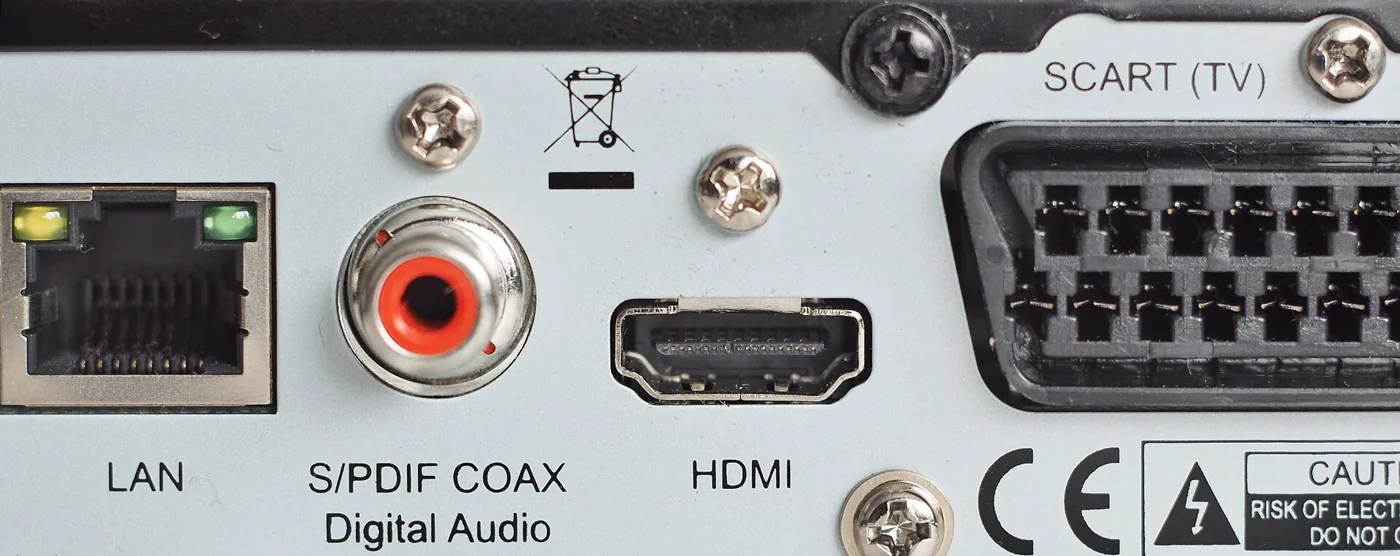
A row of HDMI, network and audio connectors on a device panel
Each connector on the back of a device needs its own cable, so count the ports before choosing a route.

Power bridge kits: the code-compliant answer for power

A power bridge kit, sometimes sold as an in-wall power extension kit, solves the power problem without running a standard cord in the wall. It consists of an inlet that connects to the TV power plug side, an outlet that sits near the floor and a length of in-wall rated cable between them, with wall plates at each end. The installation is the same physical task as for signal cables, with the added requirement that the kit be listed for in-wall use, and that you connect it according to its instructions.

Look for a safety listing from a recognized testing laboratory on the packaging. The cable is a power rated type, and the plates have a finished housing at each end so that no live pin is exposed. This is not the same as a cheap extension cord threaded through a hole, which is the common DIY shortcut and is the thing codes aim to prevent. The kit costs more but it is the safe version.

For a fixed installation that you want done permanently, the better route is to have an electrician install a recessed outlet behind the TV, wired from the existing circuit. It is a small job, and it gives a proper outlet at TV height, with the plug hidden behind the screen. Where an electrician is not an option, the kit is the right compromise. Do not use adapters that bypass the plates or leave exposed cord ends in the wall.

Raceways, cord covers and paint-matching channels

A raceway is a narrow plastic or metal channel that fixes to the wall surface and hides the cables inside. A good raceway is about an inch wide, comes in white or paintable finishes, and has a snap-on cover with corner pieces and end caps. It suits renters and anyone who does not want to cut into a wall. The cables remain accessible, which is useful if you change a console or add a device later.

The key to a good result is preparation. Clean the wall, mark the route with a level and cut the channel to length. Stick the base with its adhesive strip, press firmly and add screws into studs for a long run. Paint the cover with the wall color, using a small brush or roller, before pressing it on, since painting a fitted raceway leaves messy edges. Run the raceway straight and vertical, which is less noticeable than a diagonal path, and align it with the TV edge or a doorframe where possible.

Keep power and signal in the same raceway only if the product allows it. Most do, since the cords have their own insulation, but long parallel runs of power and unshielded signal cables can add interference. If you see artifacts on screen, separate them by a few inches, or use shielded cables.

Routing behind stands and furniture

When the TV sits on a stand, the best way to hide cables is the stand itself. Pick a stand with grommet holes in the top and an open back, as discussed in the TV stand size guide. Run the cables down the back leg, bundle them with cable ties or a spiral wrap and plug them into a power strip mounted to the back panel. A power strip with a surge protector placed behind the unit lets you reach one plug at the wall, and the cords stay tidy.

Add a bit of slack in each cable so that you can move the TV forward for cleaning. Label each cord at both ends with a piece of tape, which saves time when something fails. Keep the cord length short for each device, since long loops of cable collect dust and are a trap for a vacuum cleaner. Velcro ties are better than plastic ones for anything you might change.

What to run before you close the wall

Once a wall is open, extra cable is cheap and a second opening is not. Pull more than you need today. A single HDMI run to a console shelf is the minimum, but a second HDMI line, an Ethernet cable for a streaming device or smart TV, and an optical or speaker-wire pair for a future soundbar or surround speakers add very little cost. A pull string left in the cavity lets you add a cable later without reopening the wall, a trick that saves a repair when your setup changes.

Think about where each device will live. If the console, streaming box and receiver will sit on a shelf under the TV, the run is short and one pair of openings serves everything. If they will sit in a closet or a cabinet across the room, the run is long and the cable choice matters more, since a long passive HDMI line can fail at 4K. For distances beyond about 25 feet, plan an active or fiber HDMI cable, or a wall plate with a built-in extender, and test it with the real devices before the wall is patched.

Where to put the openings

The upper opening should sit directly behind the TV, in the space the screen will hide, so no plate is visible. A TV with a mount that holds it 2 inches from the wall leaves room for a shallow recessed box behind the center of the screen, ideally within the area covered by the mount plate. The lower opening goes behind the console or just above it, at a height where the shelf hides the plate. A wall plate at 12 to 18 inches above the floor is usually hidden by a media console, and one at 30 inches is better for a wall-mounted shelf.

Check the spacing against the height decisions you have already made. A mount at the usual eye-level position, as explained in the TV height guide, places the screen bottom around 28 inches from the floor, so the lower plate can sit between 18 and 26 inches. Mark both with a level, and use a vertical line so the cavity between them is straight.

When the wall is plaster or masonry, in-wall routing is a harder and messier job, and a surface raceway or a conduit may be better. If the wall is an exterior one with insulation, avoid cutting into it, since you will disturb the vapor barrier. A raceway painted to match the wall is often the cleaner choice in these cases.

Mistakes that cause trouble

The first mistake is running a regular power cord inside a wall, which is not rated and may overheat, especially if it is pinched. The second is choosing an in-wall HDMI cable too long for the signal. A passive HDMI cable beyond about 25 feet can drop out at 4K and may need an active or fiber version. The third is drilling through a stud's face without checking for a wire. Always use a detector and drill with a small bit first.

Another mistake is hiding the cables so well that you cannot reach the ports. Leave a way to access the TV's input panel, either through a recessed plate that opens or a slack loop. Mounting height also matters, since the position of a TV affects how long the cables must be, a point covered in the TV mounting height guide. A full-motion mount that swings out needs more slack, which is covered in the mount types guide.
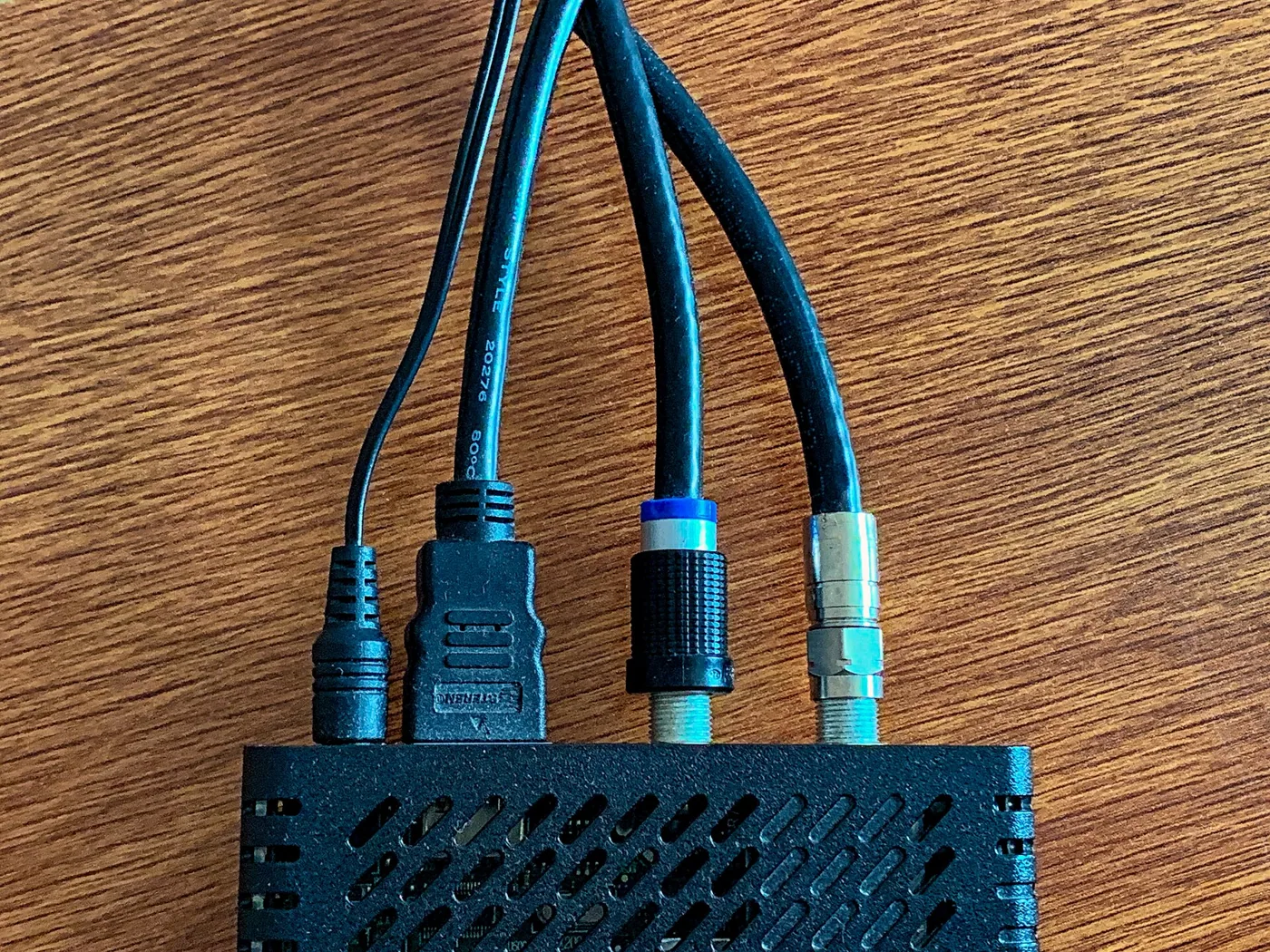
A cable box with several cables plugged into its back panel
A tangle of cables behind a media device is what a raceway or a routing plan is meant to tame.

Frequently asked questions

Is it safe to run a TV power cord inside the wall?

No. A standard power cord is not rated for in-wall use and codes forbid it. Use a listed power bridge kit or have an electrician install an outlet behind the TV.

What does CL2 or CL3 mean on a cable?

These marks show that a low voltage cable has a jacket that meets fire resistance requirements for in-wall use. Look for the marking on the cable jacket, and avoid unrated HDMI cables for wall runs.

Can I hide wires in a rental?

Yes, with a paintable raceway or by routing behind furniture. These need no cutting, and the raceway can be removed with minimal marks if you warm the adhesive and peel carefully.

Do I need a special HDMI cable for an in-wall run?

You need a cable with an in-wall rating, and for runs over about 25 feet or for 4K at high refresh rates, an active or fiber cable. Test the signal before closing the wall.

What about wireless HDMI?

Wireless kits exist, but they add latency and can drop at high resolution. Power still needs a cable, so they hide only part of the problem.

Bottom line

Use rated cable for signal in the wall, a listed power bridge kit or a recessed outlet for power, and a paintable raceway if you do not want to cut the wall. Never push a regular power cord into a wall cavity.

Plan the route before you mount the TV, leave slack and label cables so the system stays serviceable. A tidy result comes from the plan and the right parts, not from hiding the wires at any cost.

Image credits

  • accent-chair-desk-corner.webp: JohnLEE Brothers, CC0, source
  • accent-chair-green-velvet.webp: Shixart1985, CC BY 2.0, source
  • accent-chair-hero.webp: Shixart1985, CC BY 2.0, source
  • anchor-built-in-bookcases-room.webp: Carol M. Highsmith, Public domain, source
  • anchor-small-bookcase-hall.webp: Steven Pavlov, CC BY-SA 4.0, source
  • anchor-white-bookcase-wall.webp: Egilus, CC BY-SA 4.0, source
  • arrange-living-room-hero.webp: Kotivalo, CC BY-SA 4.0, source
  • arrange-living-room-seating-group.webp: Neoclassicism Enthusiast, CC0, source
  • arrange-living-room-sofa-wall.webp: Adele Berenstein, CC BY 2.0, source
  • artsofa-pictures-on-wall-room.webp: Tudor Washington Collins, CC BY 4.0, source
  • artsofa-sofa-corner-mural.webp: G�nter Seggeb�ing, Coesfeld, CC BY-SA 3.0, source
  • artsofa-sofa-mural-wall.webp: G�nter Seggeb�ing, Coesfeld, CC BY-SA 3.0, source
  • blackoutcurtain-floor-length-pair.webp: Ounfs Robmmy 238, CC0, source
  • blackoutcurtain-olive-heavy-fabric.webp: Easysayg, CC BY-SA 4.0, source
  • blackoutcurtain-white-sheer-hotel.webp: HuiDongXLW RMDa, CC0, source
  • ceilingfan-five-blade-light.webp: CommandProMC, CC BY-SA 4.0, source
  • ceilingfan-pull-chain-light.webp: Hans Olav Lien, CC BY-SA 3.0, source
  • clean-fabric-sofa-blanket.webp: Shixart1985, CC BY 2.0, source
  • clean-fabric-sofa-hero.webp: Lear 21, CC BY-SA 4.0, source
  • clean-fabric-sofa-slipcover.webp: Enric, CC BY-SA 4.0, source
  • clean-rug-fringe-pattern.webp: Sununa, CC BY-SA 4.0, source
  • clean-rug-runner-hall.webp: Sununa, CC BY-SA 4.0, source
  • coffeetable-round-yellow-sofa.webp: Vaibhavratnaparkhi, CC BY-SA 4.0, source
  • coffeetable-tan-sofa-dark-table.webp: Shixart1985, CC BY 2.0, source
  • coffeetable-two-wood-tables.webp: Sophia Baboolal, CC0, source
  • color-temp-bright-bulb.webp: Xzantiyamoloy, CC BY 4.0, source
  • color-temp-gu10-spot.webp: Dmitry G, CC BY-SA 3.0, source
  • color-temp-hero.webp: LoMit, CC BY-SA 4.0, source
  • color603010-paint-swatches-wall.webp: Chris Rycroft, CC BY 2.0, source
  • color603010-rainbow-swatch-range.webp: Joyful spherical creature, CC BY 4.0, source
  • color603010-swatch-cards-neutrals.webp: Clean Wal-Mart, CC BY 2.0, source
  • cornertv-1960s-room-tv-window.webp: Kotivalo, CC BY-SA 4.0, source
  • cornertv-budapest-sofa-room.webp: Justin Sch�ler, CC0, source
  • cornertv-white-room-console.webp: Oliur Rahman, CC0, source
  • curtainfabric-heavy-olive-folds.webp: Easysayg, CC BY-SA 4.0, source
  • curtainfabric-hotel-floor-length-pair.webp: Ounfs Robmmy 238, CC0, source
  • curtainfabric-white-light-filtering.webp: HuiDongXLW RMDa, CC0, source
  • curtains-hk-window-stacked-open.webp: YSSKACH WFAMOACSH TUNGA, CC BY-SA 4.0, source
  • curtains-hotel-living-zone-floor-length.webp: Ounfs Robmmy 238, CC0, source
  • cushion-fill-hero.webp: Dalton Scavassa, CC BY-SA 4.0, source
  • cushion-fill-pillows-leather.webp: Aaaatu, CC BY-SA 4.0, source
  • depth-grey-sofa-cushions.webp: Dalton Scavassa, CC BY-SA 4.0, source
  • depth-grey-sofa-hero.webp: Lear 21, CC BY-SA 4.0, source
  • depth-sectional-living-room.webp: Shixart1985, CC BY 2.0, source
  • dimmer-rotary-wall.webp: Paolomarco, CC BY-SA 4.0, source
  • dimmer-slide-wall.webp: BrokenSphere, CC BY-SA 3.0, source
  • dimmer-wiring-box.webp: Kurtkaiser, CC0, source
  • door-hotel-living-room.webp: Adele Berenstein, CC BY 2.0, source
  • door-orange-sofa-hero.webp: Shixart1985, CC BY 2.0, source
  • echo-1960s-room-soft-furnishings.webp: Kotivalo, CC BY-SA 4.0, source
  • echo-fabric-acoustic-panels-wall.webp: 36N63, CC BY-SA 4.0, source
  • echo-panel-mineral-wool-core.webp: JoraK, CC BY-SA 4.0, source
  • entcenter-low-stand-devices.webp: William Hook, CC BY-SA 2.0, source
  • entcenter-old-tv-setup.webp: William Hook, CC BY-SA 2.0, source
  • entcenter-wood-wall-unit-living-room.webp: Casey Fleser, CC BY 2.0, source
  • fabric-green-velvet-hero.webp: Neoclassicism Enthusiast, CC0, source
  • fabric-grey-sofa-cushions.webp: Lear 21, CC BY-SA 4.0, source
  • fabric-sofa-blanket.webp: Shixart1985, CC BY 2.0, source
  • floatshelf-mixed-books-rows.webp: Roman Eisele, CC BY-SA 4.0, source
  • floatshelf-steel-support.webp: Fructibus, CC0, source
  • floatshelf-white-bookcase-wall.webp: Egilus, CC BY-SA 4.0, source
  • floor-lamp-height-hero.webp: Agbarto, CC0, source
  • floor-lamp-height-stained-glass.webp: Louis Comfort Tiffany / Tiffany Studios, CC0, source
  • floor-lamp-height-white-reading-lamp.webp: FASTILY, CC BY-SA 4.0, source
  • frame-black-leather-sofa.webp: www.Pixel.la Free Stock Photos, CC0, source
  • frame-green-velvet-sofa.webp: Neoclassicism Enthusiast, CC0, source
  • frame-grey-sofa-hero.webp: Dalton Scavassa, CC BY-SA 4.0, source
  • gallerywall-frames-bookcase-lamp.webp: Personal Creations, CC BY 2.0, source
  • gallerywall-frames-floor-tape.webp: Personal Creations, CC BY 2.0, source
  • gallerywall-frames-on-wall-home.webp: Personal Creations, CC BY 2.0, source
  • hang-light-hero.webp: Martin Falbisoner, CC BY-SA 4.0, source
  • hang-light-lamp-with-shade.webp: LoMit, CC BY-SA 4.0, source
  • hang-light-red-drum-lamp.webp: Agbarto, CC0, source
  • jute-sisal-combing-fibre.webp: Uncredited for Keystone View Company, Public domain, source
  • jute-sisal-hero.webp: B.navez, CC BY-SA 3.0, source
  • jute-sisal-plantation.webp: Forest & Kim Starr, CC BY 3.0, source
  • knotted-rug-cut-pile-carpet.webp: Daderot, CC0, source
  • knotted-rug-hero.webp: Daderot, CC0, source
  • knotted-rug-prayer-wool.webp: Daderot, CC0, source
  • lampshade-cream-base.webp: LoMit, CC BY-SA 4.0, source
  • lampshade-empire-lamp.webp: J.Dncsn, CC BY-SA 3.0, source
  • lampshade-paper-rect-lamp.webp: Zeitlupe, CC BY-SA 4.0, source
  • layer-rugs-armchairs.webp: PattayaPatrol, CC BY-SA 4.0, source
  • layer-rugs-conversation-pit.webp: Marsh Davis; Indiana Landmarks, CC BY 4.0, source
  • layer-rugs-hero.webp: BusterD, CC BY-SA 4.0, source
  • layered-light-hero.webp: FASTILY, CC BY-SA 4.0, source
  • layered-light-red-shade-lamp.webp: Agbarto, CC0, source
  • layered-light-table-lamp.webp: LoMit, CC BY-SA 4.0, source
  • leather-care-black-sofa.webp: www.Pixel.la Free Stock Photos, CC0, source
  • leather-care-burgundy-set.webp: Dominic's pics, CC BY 2.0, source
  • leather-care-hero.webp: Thomas Quine, CC BY 2.0, source
  • ledstrip-cove-fireplace.webp: Andrey Gvrv, CC BY-SA 3.0, source
  • ledstrip-spool-driver.webp: Dmitry G, CC BY-SA 3.0, source
  • ledstrip-tv-back.webp: Stilfehler, CC BY-SA 4.0, source
  • loveseat-sofa-armchair-room.webp: Adele Berenstein, CC BY 2.0, source
  • loveseat-sofa-hero.webp: Aaaatu, CC BY-SA 4.0, source
  • loveseat-sofa-leather-pair.webp: Dominic's pics, CC BY 2.0, source
  • lowlight-snake-plant-corner-pot.webp: Enzo Rippa, CC BY-SA 4.0, source
  • lowlight-snake-plant-window-table.webp: Martin Olsson, CC BY-SA 3.0, source
  • lowlight-zz-plant-potted.webp: Jamshid Nurkulov, CC BY-SA 4.0, source
  • lumens-bulb-hero.webp: R. Henrik Nilsson, CC BY 4.0, source
  • lumens-led-bulbs-group.webp: Geoffrey.landis at English Wikipedia, CC BY 3.0, source
  • measure-cabin-sofa.webp: Shixart1985, CC BY 2.0, source
  • measure-room-depth.webp: Shixart1985, CC BY 2.0, source
  • measure-sofa-hero.webp: Shixart1985, CC BY 2.0, source
  • mirror-above-mantel-living-room.webp: Tudor Washington Collins, CC BY 4.0, source
  • mirror-round-blue-wall-window.webp: Ciara N� Riain, CC BY-SA 4.0, source
  • mirror-round-over-wood-console.webp: Shixart1985, CC BY 2.0, source
  • mixpatterns-armenian-patterned-pillows.webp: Ararat Trvants, CC BY-SA 4.0, source
  • mixpatterns-couch-pillows-set.webp: Dawid Skalec, CC BY-SA 4.0, source
  • mixpatterns-leather-sofa-pillows.webp: Aaaatu, CC BY-SA 4.0, source
  • no-overhead-hero.webp: Gotogo, CC BY-SA 4.0, source
  • no-overhead-red-shade-lamp.webp: Agbarto, CC0, source
  • no-overhead-white-floor-lamp.webp: FASTILY, CC BY-SA 4.0, source
  • nodrillcurtain-hk-window-open.webp: YSSKACH WFAMOACSH TUNGA, CC BY-SA 4.0, source
  • nodrillcurtain-olive-rail-folds.webp: Easysayg, CC BY-SA 4.0, source
  • nodrillcurtain-white-light-panel.webp: HuiDongXLW RMDa, CC0, source
  • open-plan-rug-armchairs.webp: PattayaPatrol, CC BY-SA 4.0, source
  • open-plan-rug-hero.webp: NPS Photo, Public domain, source
  • open-plan-rug-sunken-living.webp: Marsh Davis; Indiana Landmarks, CC BY 4.0, source
  • ottoman-coffee-table-pair.webp: Sophia Baboolal, CC0, source
  • ottoman-leather-round-pair.webp: Olugold, CC BY-SA 4.0, source
  • ottoman-round-stool-top.webp: Olugold, CC BY-SA 4.0, source
  • paintsheen-open-paint-cans.webp: United Soybean Board, CC BY 2.0, source
  • paintsheen-paint-can-brush.webp: Shixart1985, CC BY 2.0, source
  • paintsheen-swatch-cards-range.webp: Chris Rycroft, CC BY 2.0, source
  • pets-sofa-kitten-cushions.webp: Feliciano Guimar�es from Guimar�es, Portugal, CC BY 2.0, source
  • pets-sofa-slipcover.webp: Enric, CC BY-SA 4.0, source
  • pillows-decorative-couch-set.webp: Dawid Skalec, CC BY-SA 4.0, source
  • pillows-leather-sofa-group.webp: Aaaatu, CC BY-SA 4.0, source
  • pillows-wooden-sofa-red-cushions.webp: Zohasheikh, CC BY-SA 4.0, source
  • readinglamp-adjustable-torchiere.webp: Agbarto, CC0, source
  • readinglamp-armchair-corner-lamp.webp: Kotivalo, CC BY-SA 3.0, source
  • readinglamp-cozy-sunlit-corner.webp: Shixart1985, CC BY 2.0, source
  • recessed-gimbal-trim.webp: Stilfehler, CC BY-SA 4.0, source
  • recessed-housing-display.webp: Stilfehler, CC BY-SA 4.0, source
  • recessed-led-can-trim.webp: Stilfehler, CC BY-SA 4.0, source
  • recliner-buying-armchair-room.webp: Virginia State Parks staff, CC BY 2.0, source
  • recliner-buying-hero.webp: Laura Stoinski, CC0, source
  • recliner-buying-leather-sofa.webp: Aaaatu, CC BY-SA 4.0, source
  • rug-curl-fringe-rug.webp: Sununa, CC BY-SA 4.0, source
  • rug-curl-hero.webp: Sununa, CC BY-SA 4.0, source
  • rug-curl-runner-patterns.webp: Sununa, CC BY-SA 4.0, source
  • rug-dents-hero.webp: ProjectManhattan, CC BY-SA 3.0, source
  • rug-dents-wool-medallion.webp: Daderot, CC0, source
  • rug-on-carpet-armchairs.webp: PattayaPatrol, CC BY-SA 4.0, source
  • rug-on-carpet-flat-weave.webp: Mervat, CC BY 4.0, source
  • rug-on-carpet-hero.webp: NPS Photo, Public domain, source
  • rug-pad-dense-carpet.webp: ProjectManhattan, CC BY-SA 3.0, source
  • rug-pad-hero.webp: Sununa, CC BY-SA 4.0, source
  • rug-pile-flatweave-stack.webp: Mervat, CC BY 4.0, source
  • rug-pile-sarouk-wool.webp: Daderot, CC0, source
  • rug-shedding-pile-closeup.webp: ProjectManhattan, CC BY-SA 3.0, source
  • rug-shedding-wool-rugs.webp: Mervat, CC BY 4.0, source
  • rug-size-armchairs-on-rug.webp: PattayaPatrol, CC BY-SA 4.0, source
  • rug-size-conversation-area.webp: Marsh Davis; Indiana Landmarks, CC BY 4.0, source
  • rug-size-hero.webp: NPS Photo, Public domain, source
  • runner-size-hero.webp: Sununa, CC BY-SA 4.0, source
  • runner-size-red-runner.webp: Sununa, CC BY-SA 4.0, source
  • runner-size-three-runners.webp: Sununa, CC BY-SA 4.0, source
  • sag-cushions-hero.webp: Durova, CC BY-SA 3.0, source
  • sag-cushions-slipcover.webp: Enric, CC BY-SA 4.0, source
  • sag-cushions-sofa-deck.webp: Dalton Scavassa, CC BY-SA 4.0, source
  • sconce-above-tufted-chairs.webp: Jedodo756, CC0, source
  • sconce-brass-opal-shade.webp: unknown (see Commons page), CC BY-SA 4.0, source
  • sconce-wall-lamp-side-table.webp: Atilla Taskiran, CC0, source
  • sectional-dark-hero.webp: Shixart1985, CC BY 2.0, source
  • sectional-room-arrangement.webp: Kotivalo, CC BY-SA 4.0, source
  • sectional-white-corner.webp: GardenKings, CC BY-SA 3.0, source
  • shelfsag-mixed-books-shelf.webp: Roman Eisele, CC BY-SA 4.0, source
  • shelfsag-packed-bookshelf.webp: Csferrie, CC BY-SA 4.0, source
  • shelfsag-wood-shelf-rows.webp: PeaceSeekers, CC BY-SA 4.0, source
  • sidetable-cozy-sofa-room.webp: Breather, CC0, source
  • sidetable-kentwood-sofa.webp: Kari Shea, CC0, source
  • sidetable-round-wall-lamp.webp: Atilla Taskiran, CC0, source
  • sleeper-sofa-bed-made-up.webp: Maniago, Public domain, source
  • sleeper-sofa-open-hero.webp: N509FZ, CC BY-SA 4.0, source
  • sleeper-sofa-sofa-mode.webp: N509FZ, CC BY-SA 4.0, source
  • small-room-slim-arm-sofa.webp: Lear 21, CC BY-SA 4.0, source
  • small-room-sofa-hero.webp: Shixart1985, CC BY 2.0, source
  • small-room-two-seat-layout.webp: Adele Berenstein, CC BY 2.0, source
  • smallbigger-finland-studio-bright.webp: Aaaatu, CC BY-SA 4.0, source
  • smallbigger-hk-curtains-open-window.webp: YSSKACH WFAMOACSH TUNGA, CC BY-SA 4.0, source
  • smallbigger-white-room-console.webp: Oliur Rahman, CC0, source
  • smallstorage-finland-studio-room.webp: Aaaatu, CC BY-SA 4.0, source
  • smallstorage-leather-sofa-shelving.webp: Sabri Tuzcu, CC0, source
  • smallstorage-wall-shelves-books.webp: Roger W, CC BY-SA 2.0, source
  • smart-bulbs-bulb-in-hand.webp: Xzantiyamoloy, CC BY 4.0, source
  • smart-bulbs-led-internals.webp: Loadmaster, Bech, CC BY-SA 4.0, source
  • soundbar-below-lg-tv.webp: Dinkun Chen, CC BY-SA 4.0, source
  • soundbar-philips-front-grille.webp: Philips Communications, CC BY 2.0, source
  • soundbar-samsung-single-bar.webp: Dinkun Chen, CC BY-SA 4.0, source
  • stylebooks-packed-shelf-wall.webp: Csferrie, CC BY-SA 4.0, source
  • stylebooks-philosophers-shelf.webp: Roman Eisele, CC BY-SA 4.0, source
  • stylebooks-wall-shelves-bottles-books.webp: Roger W, CC BY-SA 2.0, source
  • styletable-book-stack-candle.webp: Gabbybratcher, CC BY-SA 4.0, source
  • styletable-two-tables-mugs.webp: Sophia Baboolal, CC0, source
  • styletable-yellow-sofa-cups-flowerpot.webp: Shixart1985, CC BY 2.0, source
  • surround-home-theater-tv-seating.webp: NPat318, CC BY-SA 4.0, source
  • surround-rear-view-seats.webp: NPat318, CC BY-SA 4.0, source
  • surround-sectional-media-room.webp: Derek Jensen (Tysto), Public domain, source
  • table-lamp-size-antique-shade.webp: Amitbalani, CC0, source
  • table-lamp-size-hero.webp: Tess Mattew, CC BY-SA 4.0, source
  • table-lamp-size-measured.webp: Tess Mattew, CC BY-SA 4.0, source
  • throwblanket-blue-throw-kitten.webp: TudorTulok, CC BY-SA 4.0, source
  • throwblanket-striped-couch-cat.webp: Roman Eisele, CC BY-SA 4.0, source
  • throwblanket-yellow-blue-couch.webp: Roman Eisele, CC BY-SA 4.0, source
  • tvheight-flat-panel-wall.webp: BrokenSphere, CC BY-SA 3.0, source
  • tvheight-plasma-wall-room.webp: Pkepneriv, CC BY-SA 3.0, source
  • tvheight-white-living-room.webp: Oliur Rahman, CC0, source
  • tvmount-articulating-arm.webp: Ben Scholzen, CC BY 2.0, source
  • tvmount-vesa-adapter-plate.webp: Tony Webster, CC BY 2.0, source
  • tvmount-wall-panel-room.webp: Pkepneriv, CC BY-SA 3.0, source
  • tvsize-dark-room-big-screen.webp: Christian Collins, CC BY 2.0, source
  • tvsize-media-room-screen.webp: NPat318, CC BY-SA 4.0, source
  • tvsize-tv-on-stand.webp: PhotoPicker13, CC BY-SA 4.0, source
  • tvstand-low-stand-devices.webp: William Hook, CC BY-SA 2.0, source
  • tvstand-wall-unit-living-room.webp: Casey Fleser, CC BY 2.0, source
  • tvwires-cable-box-wires.webp: Tony Webster, CC BY 2.0, source
  • tvwires-hdmi-connectors.webp: Kreuzschnabel, CC BY-SA 3.0, source
  • tvwires-wall-mounted-panel.webp: BrokenSphere, CC BY-SA 3.0, source
  • washable-rugs-flatweave-stack.webp: Mervat, CC BY 4.0, source
  • washable-rugs-hero.webp: Mervat, CC BY 4.0, source
  • washable-rugs-loomed-stripes.webp: Gcarrillog, CC0, source
  • wool-poly-hero.webp: Mervat, CC BY 4.0, source
  • wool-poly-oaxacan-wool.webp: Gcarrillog, CC0, source
  • wool-poly-prayer-rug.webp: Daderot, CC0, source

Related Guides