Almost every living room has one: a corner that nothing seems to belong in. The sofa does not reach it, the TV does not need it and it collects a basket, a bag or a pile of things that have no other home. Left empty, it makes the room feel unfinished, since the eye goes straight to the gap. Filled badly, with a piece that is too small or too bulky, it looks worse.
This guide gives a method for deciding what a corner is for, then offers the main options and how to size them: a lamp, a plant, a chair, shelves, a mirror and some less obvious choices. It covers clearances and traffic, light and plant care, the common mistakes and a short plan for the three types of corner you are likely to have: a corner beside a window, a corner behind a door and a corner at the end of a sofa.
Decide what the corner is for
A corner is empty because nobody has given it a job. Before choosing an object, pick one function. Does the room need more light, more storage, a place to sit, something green or a bit of visual interest? A corner that has to do two things, such as a reading chair with a lamp, works well, and a corner that is asked to do four becomes a clutter magnet.
Look at the room as a whole. If the room is dim in the evening, the corner is a place for a lamp. If the room has no greenery, a plant is the natural answer. If the room is short on seating when guests come, a chair does the job. If books, games or throws have nowhere to go, a shelf or a basket makes sense. The corner should solve a problem you already have.
Think about height. A low item, such as a pouf or a small table, leaves the upper corner empty and the gap persists. A tall item, between 4 and 6 feet, fills the vertical line where two walls meet and links the floor to the room. In most rooms, the best corner arrangement has two parts of different heights, such as a tall plant and a lower table, which look natural and avoid a stiff single column.
| Option | Adds | Typical size | Watch out for |
|---|---|---|---|
| Floor lamp | Light, height | 60 to 72 inches tall | Cord path, shade glare |
| Tall plant | Life, softness | 4 to 6 feet with a 14 to 18 inch pot | Light level, watering leaks |
| Accent chair and table | Seating | 30 to 36 inch chair width | Needs room to move |
| Corner shelf or narrow bookcase | Storage, display | 12 to 16 inches deep, 60 to 72 inches tall | Anchor tall units to a stud |
| Floor mirror | Depth, light | 60 to 72 inches tall | Reflection, tip risk |
A floor lamp for light
A lamp is the easiest fix and often the most useful. A floor lamp in a corner lights two walls and the ceiling, so the whole corner glows, and it extends the evening light of the room. An arc or a tree lamp reaches over a chair, and a torchiere throws light up. Choose a lamp of 60 to 72 inches in height, so it reads as a vertical element. Our guide on choosing a floor lamp for reading explains the heights and the light output, and the floor lamp height guide covers proportions.
Place the lamp a few inches from the corner, so the cord has room and the shade does not touch the wall. A warm bulb of 2700K gives a soft glow, and a dimmer or smart plug lets you set the mood. A lamp with a wide shade fills the corner better than a thin one, but check that it does not block a path. If the corner is dark during the day, a lamp is a good choice because it earns its place at night as well.
The weak point is the cord. Run it along the wall to the nearest outlet, and cover it with a cord cover if it is visible. A lamp in a corner without an outlet nearby may need an extension, and a flat cable under a rug is neater than a trailing one. Choose a heavy base, since a lamp in a corner by a door or a path can be knocked.
A plant for life
A tall plant gives a corner softness and a natural form, and it contrasts with the straight lines of walls and furniture. Good choices are a fiddle leaf fig, a rubber plant, a snake plant, a tall palm or a dracaena, which suit living room conditions. Pick one that matches the light, since a corner is often darker than the middle of the room. Our guide to low light plants for living rooms lists plants that tolerate dim corners.
Scale the pot to the plant. A pot 14 to 18 inches in diameter holds a plant of 4 to 6 feet, and a pot that is too small looks like an afterthought and tips easily. Place the pot on a plant stand or a tray to protect the floor and to lift the plant a little. A cluster of two or three plants of different heights, such as a tall palm and two small ones, looks natural and fills the corner in depth.
Be realistic about care. A plant in a dark corner may need a grow light, a rotation toward the window every few weeks and careful watering, since low light means slow drying. Check for drafts and heat vents, which damage leaves. Pets can be a problem, because some common plants are toxic to cats and dogs, so check before you buy. If you do not want the upkeep, a good quality faux plant gives a similar look, with an occasional dusting.
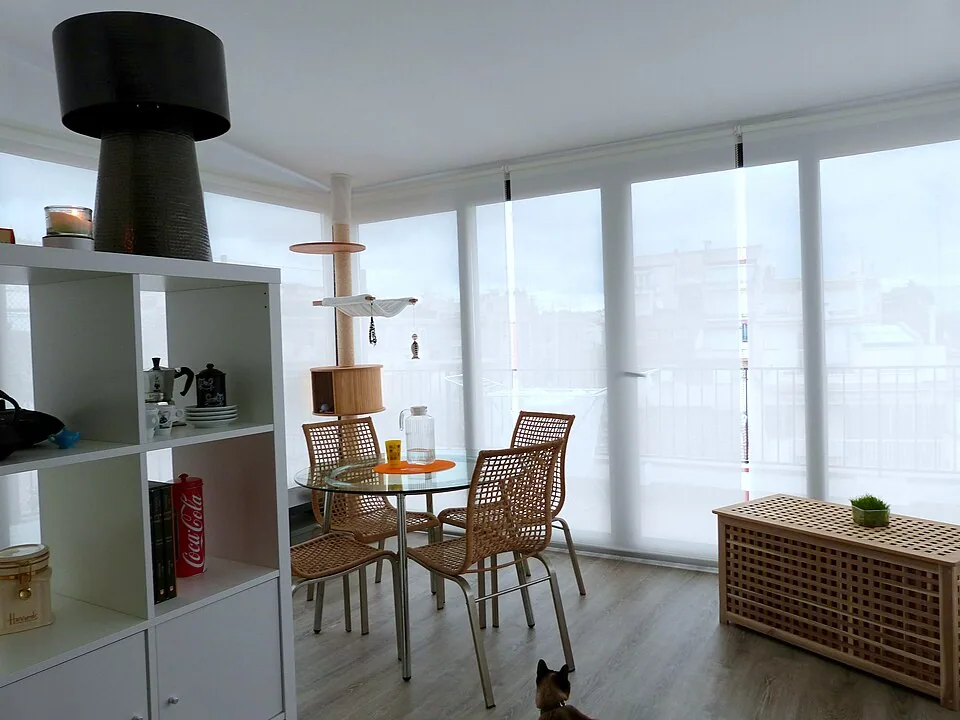
A chair and a small table for seating
A reading chair turns an empty corner into a destination. An armchair of 30 to 34 inches wide, set at a slight angle, with a side table and a lamp, gives a place to sit away from the main group. Turn the chair toward the room, not into the corner, so it feels part of the conversation, and leave at least 24 inches between the chair and any path. Our guide to choosing an accent chair covers the sizes and styles.
Pair the chair with a table at the right height, level with or slightly below the chair arm, so a cup or a book is within reach. A small round table of 16 to 20 inches in diameter fits a corner without blocking movement. Add a throw blanket over the arm, a small rug under the chair and a lamp, and the corner becomes a complete reading spot. Avoid a chair that is too big, since it fills the corner and the room feels cramped.
A chair works best in a room of average size or larger. In a small living room, a chair in the corner can block the flow, and a floor cushion or a pouf may be a lighter option. Consider a swivel chair, which turns to face the TV or the window, and a small bench or a stool for extra seating that tucks away when not needed.
Shelves and storage
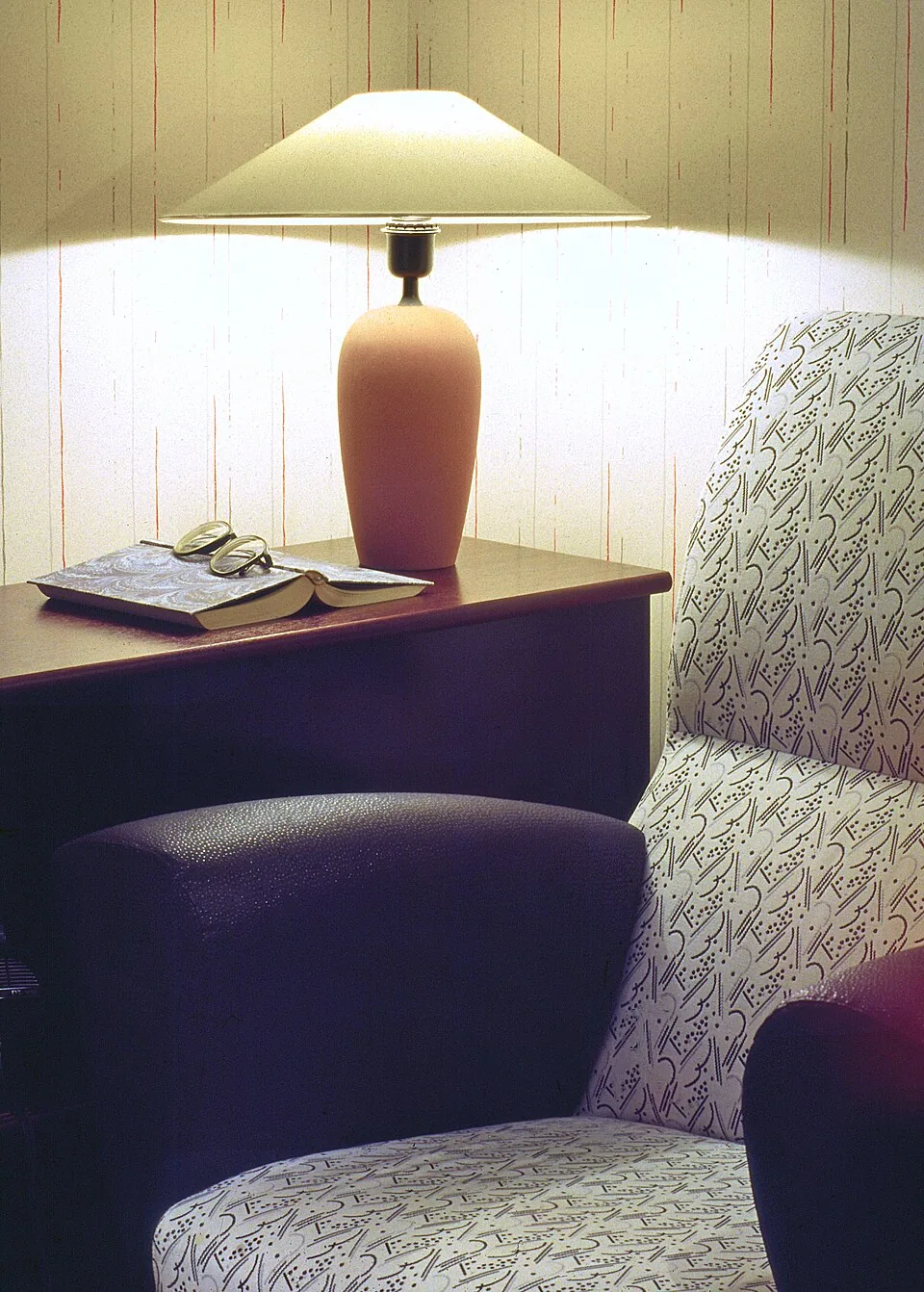
Corner shelves use the dead space and give storage and display. A set of corner shelves with a triangle shape, or a narrow bookcase of 12 to 16 inches in depth, fits well. Choose a height of 60 to 72 inches for a tall unit, and fill it in layers of books, baskets and a few decorative objects, as described in our bookshelf styling guide. A basket on the lower shelf holds throws, toys or remotes and hides clutter.
Anchor tall units. A bookcase of 60 inches or more can tip, especially with children or pets nearby, so fix it to a wall stud with a strap or a bracket, which is easy in a corner since two walls are available. Keep heavy items low, and do not overload the shelves. If the unit has a back panel, it will be steadier, and an open back needs cross bracing.
A ladder shelf that leans against the wall suits a corner, with a slim profile, and a floating corner shelf unit mounted at eye level gives a display without floor space. Check the weight rating and the fixings for any floating shelf before you load it. In a rented home, a freestanding unit avoids drilling.
Mirrors, art and other ideas
A large floor mirror leaning in a corner reflects light and the room, making the space look bigger. Place it where it reflects something pleasant, such as a window or a lamp, not a bare wall or a messy corner. Anchor it against tipping, particularly near children and pets. Our roundup of best floor mirrors lists models with stands and safety straps.
Other ideas work in the right room. A tall tapestry or a long vertical piece of art on one wall draws the eye up. A folding screen softens the corner and can hide cables or a messy area. A pair of baskets, a large floor vase with branches, a small bar cart, a record player on a low unit or a sculpture on a plinth are all options. Choose one and give it room. A corner with a single striking object is better than one with five small things.
Avoid these. Do not push a large sofa or a sectional into the corner just to fill it, since the piece blocks the flow and looks wedged in. Do not use a tiny table with a single small plant, which looks lost, and do not put a heavy item on a narrow stand. Do not block a window, a door swing or a heating vent. And do not leave the corner as a dumping ground for bags and boxes, since the clutter tells the eye that the corner is unplanned.
Finishing touches that make the corner look planned
Once the main piece is in, add one or two small touches that link the corner to the rest of the room. Repeat a color from the nearby sofa or rug in the pot, the lamp shade or a cushion on the chair, and echo a material, such as the wood tone of a coffee table, in a stand or a shelf. These small links tell the eye the corner belongs.
Add a layer on the floor. A small rug under a chair or a woven mat under a plant pot defines the corner as a place and protects the floor. Keep it modest in size, so it does not collide with the main rug, and check that the edges lie flat. A basket or a tray at the foot of a lamp gives a home for small items without cluttering the corner.
Check the corner from the places where you sit most. A corner that looks good from the doorway may look odd from the sofa, because the lamp cord shows or the plant hides the window. Move the pieces a few inches until the view from the main seat is clean. Then live with it for a week, and adjust. A corner is a small part of the room, and a small change in position often makes the difference between a corner that is filled and a corner that looks finished.
Three common corners
The window corner has light, so it suits a plant or a chair. Place a tall plant beside the window, or a reading chair with the light over the shoulder, and keep the curtains clear. Check for glare on a TV, and watch for heat in summer and cold drafts in winter, which affect plants.
The corner behind a door is tricky, because the door swings into it. Use a slim, tall item such as a narrow shelf, a coat rack or a tall plant that clears the swing. Check that the door opens fully and does not hit the object. A hook rail or a wall mounted shelf is a safer choice than a floor standing piece.
The corner at the end of a sofa is the natural place for a lamp and a side table, as it balances the sofa and adds light for the seat. A floor lamp with a table below, or an arc lamp over the sofa arm, fills it neatly. Keep the lamp within reach of an outlet, and leave room to walk around the sofa end.
Frequently asked questions
What is the best thing to put in an empty corner?
A floor lamp is the most useful, and a tall plant is the most decorative. A chair with a small table makes the corner a place to sit. Choose by the problem the room has.
How tall should the corner piece be?
Aim for 4 to 6 feet, so it links the floor and the wall. Combine it with a lower item, such as a table or a pot, for a natural look.
Should furniture sit diagonally in a corner?
Rarely. A diagonal piece wastes the space behind it and sticks out into the room. Place furniture square to the walls, with a few inches of gap so it does not touch.
What if the corner is very dark?
Use a lamp, a light colored object or a mirror, and choose a plant that tolerates low light, or a good faux plant. A lighter wall color in the corner helps.
Can I fill a corner in a small room?
Yes, with a slim item: a floor lamp, a tall narrow plant, a ladder shelf or a vertical piece of art. Keep the floor clear and avoid bulky pieces.
The bottom line
Give the corner one job, choose an item 4 to 6 feet tall and add a lower companion. A floor lamp adds light, a tall plant adds life, a chair adds seating and a narrow shelf adds storage.
Leave clearance for movement, anchor anything tall and avoid forcing a large piece into the space. If you are unsure, start with a lamp and a plant, which suit almost every corner and are easy to change.