Most people choose a rug the way they choose a picture: by looking at it flat, in good light, and deciding whether they like it. The rug then spends years on a floor, under feet and furniture, in changing daylight, collecting whatever the household drops. The color that looked right in the photo has to survive all of that, and many do not.
This guide treats rug color as a set of practical decisions. It explains what different colors hide and show, how to relate the rug to the floor, the sofa and the walls, how pattern works as camouflage, how sun changes a color over time and how to test before you buy. It is based on how fibers, dyes and soils behave, not on trends, and it avoids brand claims.
What each color hides and shows
Soil is visible in proportion to its contrast with the rug. A pale crumb on a dark rug is obvious and a pale crumb on a pale rug disappears, and the reverse holds for dark soil. Because the usual household soils are mid-brown, gray and tan, a rug in a similar mid-tone brown, gray or oatmeal shows the least. That is the reason beige, taupe and heathered gray rugs are the staple of homes with children and pets, and why they do not feel as dull as they sound once texture is added.
White and cream show every spill, shoe mark and dark hair, and they gray slowly as fine soil works into the pile. Black and navy show lint, dust, pale pet hair and the tracks of a vacuum, which can make a dark rug look dirtier than a mid-tone one that is actually less clean. Very bright colors such as red and turquoise hide food marks well but show fading and bleach spots.
Undertone matters as much as depth. A warm brown rug hides brown dirt better than a cool gray one, and a cool gray hides gray dust better than a warm beige. If the main soils in your home are tracked-in earth, lean warm. If they are pale pet hair, lean toward a color that matches the coat. Our guide to protecting a sofa from pets uses the same logic for the sofa.
| Rug color | Hides | Shows | Good for |
|---|---|---|---|
| White, cream | Pale hair, light dust | Spills, shoe marks, dark hair, graying | Adult households, low traffic |
| Beige, oatmeal, taupe | Most tracked-in soil, mixed hair | Dark spills, bright stains | The safest general choice |
| Mid-gray, heathered gray | Dust, many hair colors | Bright stains, rust marks | Busy homes with mixed pets |
| Charcoal, black, navy | Dark soil, shadows | Lint, dust, pale hair, vacuum tracks | Homes with dark pets |
| Rust, terracotta, brown | Earth, food marks, dark hair | Pale hair, fading in sun | Entryways, family rooms |
| Bright blue, green, red | Food and drink marks | Fading, bleach spots, pale hair | Rooms where the rug is the focal point |
Pattern as camouflage
Pattern is the cheapest way to make a color forgiving. A busy design breaks up the outline of a mark, so a stain or a clump of hair sits among shapes of similar value and the eye does not isolate it. A solid-color rug has nothing to hide behind, so any mark shows against the smooth field.
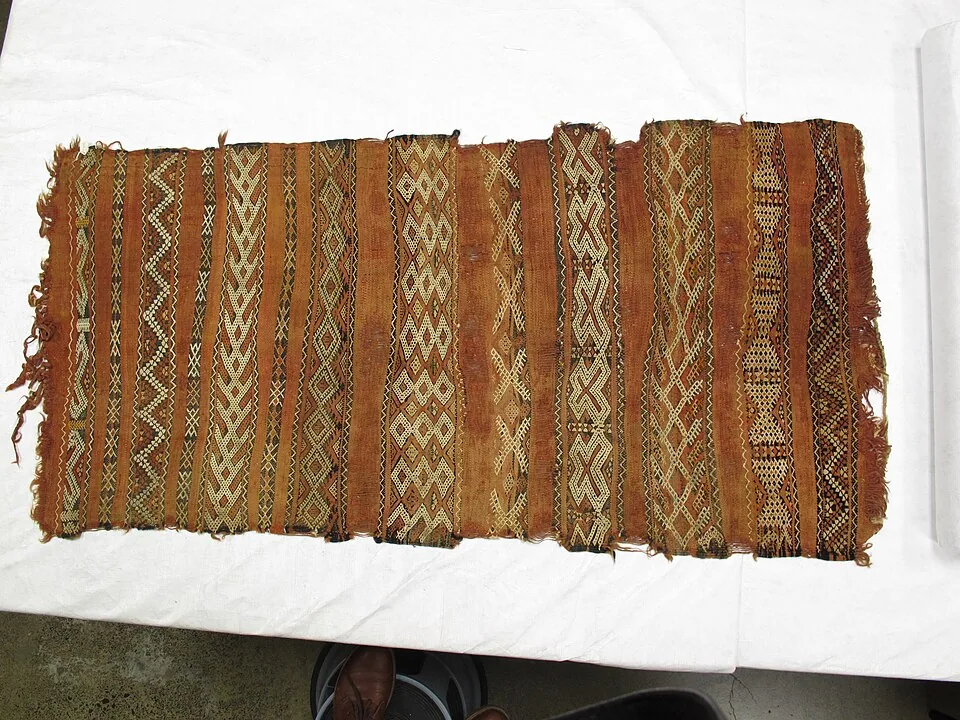
What matters is the scale and contrast of the pattern. A pattern with small repeating elements and moderate contrast, such as a traditional medallion, a distressed vintage look or a small geometric, hides the most. A pattern with large shapes and high contrast, such as bold stripes, can make a stain look larger by providing a clean edge to read against. A tone-on-tone texture, such as a loop with variable color or a heathered yarn, is a good middle path.
Pet hair follows the same rule. Hair that matches any of the colors in the pattern disappears. A rug with a mix of light and dark yarns, a salt-and-pepper blend, will hide both pale and dark hair better than a single flat color, which is why variegated rugs do so well in homes with more than one pet. A flat color with a low pile is the least forgiving, because the hair lies on top of it in full view.
Relating the rug to the floor
A rug sits on a floor and the two should not fight. The safest approach is contrast in value, the lightness or darkness of a color, not in hue. A rug that is clearly lighter or darker than the floor reads as a distinct layer, and a rug the same value as the floor looks as if it has disappeared or created a muddy patch.
On warm wood floors, such as oak, cherry or walnut, rugs in cream, gray, blue, green or a deeper brown all work, and the main error is choosing a rug that is a slightly different shade of the same wood, which looks like a mistake. On pale floors, a mid or dark rug adds weight and grounds the room, while a very pale rug blends in. On dark floors, a lighter rug lifts the room and shows the shape of the furniture, though it shows dust more clearly.
Check the undertone of both. Many floors have a yellow or orange cast, and a rug with a pink or purple undertone will look off beside it. Place the sample next to the floor in daylight and look for a clash. If the sample looks wrong beside the floor, it will look wrong at full size. The aim is a rug that appears to belong, not one that matches.
Relating the rug to the sofa and the walls
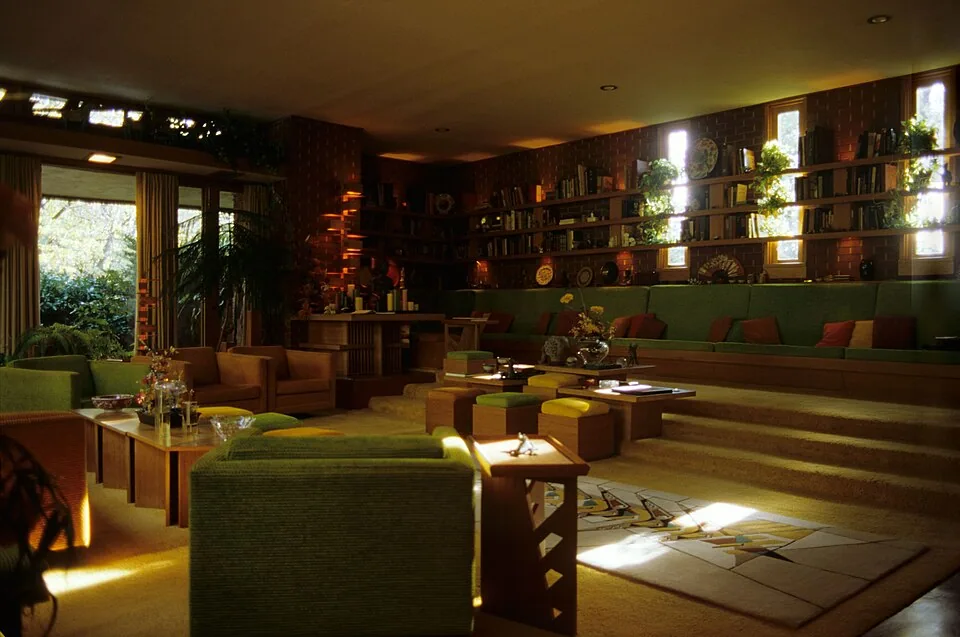
The rug is usually the largest horizontal color in the room, and it sits beneath the largest vertical one, the sofa. They should be related but not identical. A rug the same color and value as the sofa makes both look like one lump, while a rug that is a step lighter or darker separates them. If you have chosen a sofa already, our guide to choosing a sofa color covers the other half of the decision.
A helpful framework is the 60-30-10 rule, in which one color dominates, a second supports and a third accents. The rug often plays the supporting role, and its colors can pull from the accent colors in cushions and art, as we explain in our guide to the 60-30-10 color rule. A patterned rug can carry the palette for the whole room by including the sofa color, the wall color and an accent.
Walls affect perception. A rug on a dark-walled room lightens the whole space, and a pale rug in a pale room can look washed out without contrast from furniture or art. If the room is full of pattern already, such as a patterned sofa and curtains, choose a calmer rug, in a solid or subtle texture, so the room has somewhere to rest.
Sun, fading and fiber
Sunlight fades rugs, and the way depends on the dye and the fiber. Natural fibers such as wool take dye well but fade in strong sun, especially reds, blues and dark colors. Synthetic fibers vary: solution-dyed polypropylene and acrylic resist fading, while some polyester and nylon fade under long exposure. A rug in front of a south or west window can show a distinct pale patch or a line where furniture or sun shifted within a year or two.
Several options reduce the damage. Choose a muted or already pale color, since a fade from pale to paler is less noticeable than a fade from deep red to pink. Use a rug in a fiber that resists UV, such as solution-dyed polypropylene, for a bright room. Add sheer curtains or UV filtering film to the window, and rotate the rug a few times a year so that exposure is even. Our guide to wool versus polypropylene rugs compares how the fibers behave in sun.
Also remember the shadow of furniture. A rug with a sofa or a table standing on it fades around the footprint, and when you move the furniture, a darker patch is revealed. That effect is stronger on rugs in a sunny spot, so plan the layout before choosing a vivid color.
Size, light and the feel of the room
Color interacts with size. A large rug in a dark color can make a small room feel smaller and heavier, and a large rug in a light color opens it. A small rug in a bold color acts as an accent and a large rug in the same color becomes the main statement. If the rug is bigger than any other element, choose a color you are confident you will still like in five years, and use a smaller or more changeable item for adventurous choices. Our guide to choosing a rug size covers the dimensions.
Lighting changes color too. Warm lighting, in the range of 2700K, pushes colors toward yellow and orange, making a gray rug look warm and a blue rug look green. Cool white lighting makes beige look gray. Look at the rug in the room at morning, afternoon and evening with the lamps on, because a rug is lit by a mix of daylight and lamps in the evening.
The pile also changes the color. A deep pile has shadows between the fibers, making the rug look darker, and a low pile looks lighter and shows the color more evenly. Shag in particular looks darker and richer than the same color in a flat weave.
Test before you buy
Order a sample or a swatch, and the largest one the seller offers. Screens misrepresent color, and a small square cut from the middle of a rug does not show how the pattern repeats. Place the sample on the floor where the rug will go, beside the sofa and under the coffee table, and live with it for a few days.
Run a few tests. Drop a little coffee and some pet hair on it and see how obvious they are. Wipe with a damp cloth to see whether dye bleeds, which is a warning for a cheap rug. Rub a white cloth along the sample to check for dye transfer. Photograph the sample at different times of day, so you can compare how it behaves in daylight and lamp light.
Finally, check the listing for the real color, not the marketing name. Names such as stone, mushroom and ivory vary between sellers. Look at customer photos of the rug in real rooms if available, and read for comments about color accuracy. A rug that arrives a different shade can be returned only if the policy allows it, and many rug returns are costly because of the bulk.
Renters have a particular reason to favor a mid-tone. A rug has to suit the next apartment as well as this one, with different floors and walls, so the more neutral the value and undertone, the more places it works. A rug with a pattern that includes several colors is also easier to move between rooms than a rug in one strong hue, because something in it will relate to whatever you put near it. If the budget is tight, spend it on a good rug in a quiet color and add personality with pillows and art.
A last practical point: rugs in a hallway or entry take the hardest soil, so these are the places to choose the most forgiving color and pattern, even if the living room rug is more delicate. A dark-toned runner with a pattern lasts far longer than a pale one in the same spot.
Frequently asked questions
What rug color hides dirt best?
A mid-tone in a mixed or patterned design, such as a heathered gray, an oatmeal flecked with brown or a vintage-style pattern in muted colors, hides the widest range of soil. Match the color to what your home produces: earth tones for tracked-in soil, and the color of your pet's coat for hair.
Should the rug be lighter or darker than the floor?
Either works as long as there is a clear difference in value. A lighter rug lifts a dark floor and a darker rug grounds a light floor. The error to avoid is a rug that is nearly the same shade as the floor, which looks like a mistake.
Do dark rugs show more dust?
Yes, dark rugs show dust, lint and pale hair more than mid-tones do, and vacuum tracks are visible. They hide dark soil, so they suit homes with dark pets. If you choose a dark rug, plan on more frequent light vacuuming.
Will a rug fade in a sunny room?
Most rugs fade to some degree in direct sun, depending on the fiber and dye. Solution-dyed synthetics resist best, and muted colors show less change. Use window treatments or UV film and rotate the rug to even out exposure.
Can I use a patterned rug with a patterned sofa?
Yes, if the patterns differ in scale and share at least one color. Pair a large-scale pattern with a small-scale one, and keep a solid element, such as a plain curtain, between them to rest the eye. If in doubt, choose a calmer rug.
Bottom line
For a rug that stays looking good, choose a mid-tone with some pattern or texture, in an undertone that matches the soil your household makes and a value that differs from the floor and the sofa. Check the sun exposure of the spot, and choose a fade-resistant fiber if it is strong.
Order the largest sample you can, test it with real dirt and real light, and decide after living with it for a few days. A rug that looks slightly dull in a photo is often the one that looks best after a year.