Almost every rug in a mid-range catalog is either wool or polypropylene, with a few blends and viscose accents on the side. They are positioned as a premium natural fiber and a practical synthetic, and each position hides a wrinkle. Wool is not always the better rug, and polypropylene is not always the cheaper one once you count replacement. The honest comparison depends on the room, the household and how long you plan to keep it.
This guide compares the two on the issues that matter after the rug arrives: shedding, spills, sunlight, static, feel underfoot, cleaning and the cost of ownership over a decade. It also covers the blends, which fall between the two, and where each fiber fails.
What each fiber is
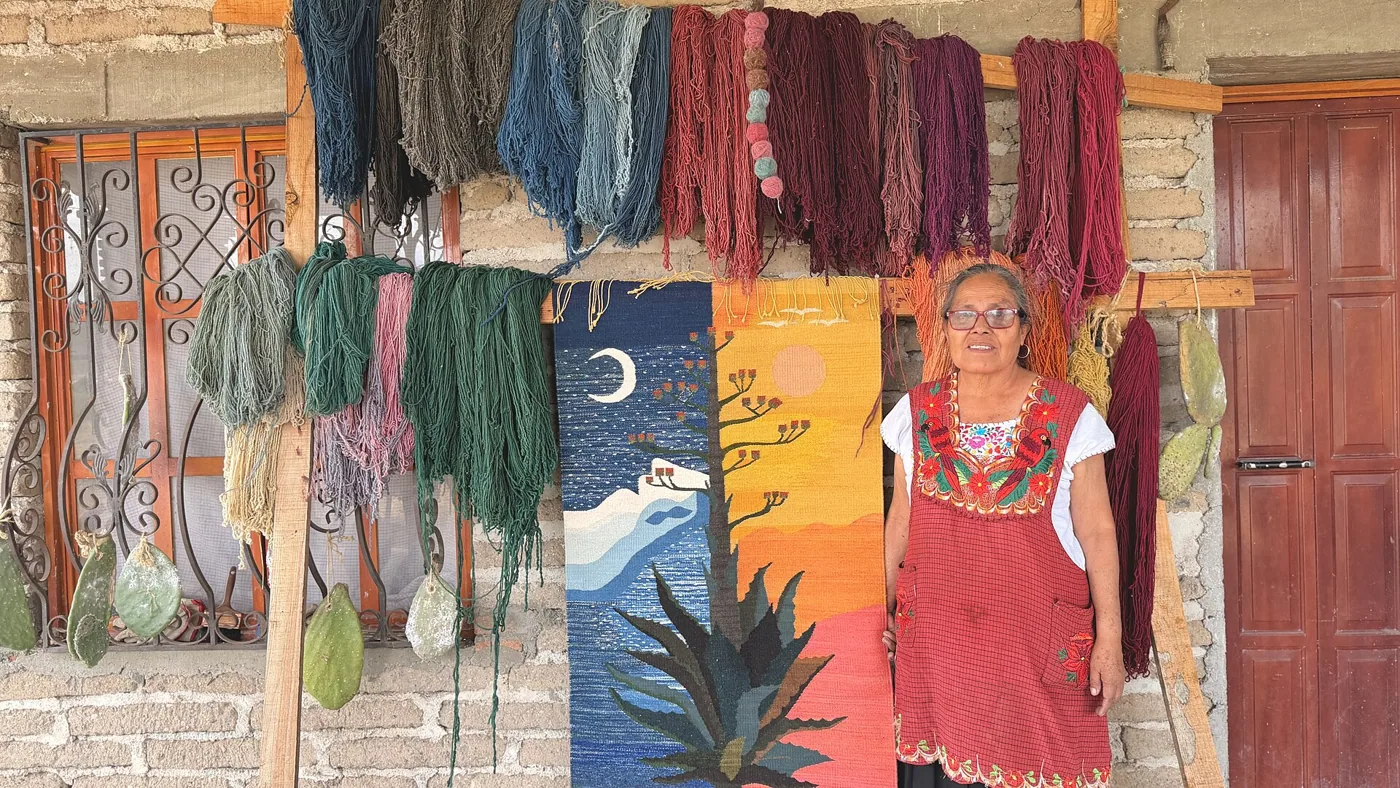
Wool is a natural protein fiber from sheep. Each strand has a crimp, a natural waviness, and a scaly surface that gives it resilience and a natural resistance to soil. It absorbs up to a third of its weight in moisture without feeling wet, is naturally flame resistant and can be dyed in deep, rich colors.
Polypropylene, often called olefin, is a synthetic plastic fiber spun from the same family of polymers as many food containers. It does not absorb water, resists most stains and holds its color well, because the dye is added to the melt rather than applied afterward. It is cheap to make and easy to weave into dense, low-pile constructions that suit machine production.
Shedding
New wool rugs shed. The short fibers that were loose at the end of manufacture work out of the pile during the first weeks and months, and a vacuum collects a surprising amount of fluff. The shedding usually settles within three to six months, as we explain in our guide to stopping a rug from shedding, and it does not mean the rug is poor.
Polypropylene sheds very little, because the fibers are continuous filaments. What it can do is fuzz or pill if the yarn is a spun staple rather than a filament, and a lower-quality rug can produce lint in the first weeks. If you have a baby, a respiratory sensitivity or hate vacuum bags full of fluff, polypropylene is the calmer choice for the first half-year. The shedding of wool is not a flaw, but it is a nuisance you should expect.
Spills and stains
The structure of each fiber decides how spills behave. Polypropylene does not absorb water, so liquid sits on the surface and can be blotted before it soaks in. Most water-based stains, from coffee to juice, can be removed with a damp cloth and mild soap, and the rug dries quickly. The weakness is oil. Polypropylene is oleophilic, meaning it attracts oils, so grease from food, skin and hair products bonds with the fiber and becomes difficult to remove.
Wool absorbs water into the fiber, so a spill can soak deeper, but the scaly surface and a natural lanolin residue resist staining for a short time. Blotting right away usually works. Wool can hold a stain from a strongly colored liquid such as red wine, and wet cleaning must be done carefully to avoid shrinking or color bleed. Wool handles grease better than polypropylene, since the fiber has a natural affinity for water and releases oil to a good detergent. In practice, both fibers can be cleaned if you act quickly.
Sunlight and fading
Solution-dyed polypropylene is very fade resistant, because the color is in the fiber itself, and it is common in outdoor rugs for that reason. A polypropylene rug in a south-facing room will keep its color for years. Wool fades more, especially in deep reds and blues, though dyes used in good rugs are stable, and a rug in indirect light can hold its color for decades.
If your room receives hours of direct sun, rotate the rug every six months, use UV-filtering window film or curtains, and avoid very light or very dark wool in the sunniest spot. For an entry with a glass door or a sunroom, polypropylene is the safer choice. Our cleaning guide shows how to treat sun-faded areas and avoid uneven fading.
Static, feel and comfort
Wool feels soft, warm and slightly springy, and it regulates temperature, staying comfortable in both summer and winter. It rarely builds static, since it holds a small amount of moisture. Polypropylene feels cooler and smoother, sometimes waxy, and the finest versions imitate wool well, but a polypropylene pile can feel plastic underfoot.
Synthetic fibers produce static in dry air, and a polypropylene rug can give a small shock in winter, especially with a rubber pad. Wool is a better choice for a bedroom or any room where you walk barefoot. Polypropylene suits a utility space where feel matters less than durability. If you want a soft synthetic rug, look for a fine denier yarn and a medium pile, as we cover in our guide to rug pile height.
| Property | Wool | Polypropylene |
|---|---|---|
| Feel | Soft, springy, warm | Smooth, cooler, can feel plastic |
| Shedding | Noticeable for months | Minimal |
| Water spills | Absorbs, blot quickly | Sits on surface, dries fast |
| Oil and grease | Releases with a good detergent | Holds, hard to remove |
| Fading in sun | Slow fade in strong light | Very resistant |
| Crush recovery | Springs back | Crushes permanently |
| Typical lifespan | 15 to 30 years | 3 to 7 years in busy rooms |
Crushing and wear
Here wool has the clearest advantage. The crimped fibers spring back after being compressed, so furniture dents and footprints recover with brushing and time. Polypropylene is a thermoplastic that does not recover as well, and a crushed area under a sofa leg or in a traffic lane stays flat. Over the years, a polypropylene rug in a hallway develops a visibly worn path.
Wool is also resilient to abrasion, though it can wear through at corners and fringes if neglected. Polypropylene is abrasion resistant, but a flatter surface and heat from friction can melt the fibers, so dragging a heavy piece across the rug can leave a smooth, glossy burn. Neither is invulnerable, and a rug pad helps both last, a topic we cover in our rug pad guide.
Cost over years, not at the checkout
Polypropylene is cheaper to buy, often by half or more for the same size. Wool costs more at the start, and a hand-knotted rug costs far more. But the lifespan differs by a large factor. A polypropylene rug in a busy living room often looks tired in 3 to 5 years, and a wool rug in the same room can look good for 15 or more, so the cost per year can favor wool.
Consider a rug you plan to keep for ten years. A polypropylene rug may be replaced once, doubling its cost, while the wool rug is bought once. If you move often, or the rug sits in a rental, or you expect the room to change, the lower entry price of polypropylene is a sound reason to choose it. If you want a rug as a long-term part of the room, wool usually costs less per year.
Allergies, indoor air and odor
Both fibers collect dust, and neither is a cure for allergies or a cause of them on its own. Wool's scaly surface holds dust mites less readily than some people expect, and regular vacuuming removes most allergens. Polypropylene's smooth fiber releases dust easily to a vacuum. The real difference is in the first weeks: a new synthetic rug can give off a chemical smell as the finishing compounds air out, and a new wool rug can smell faintly of lanolin, particularly in humid weather.
Air a new rug for a day or two before putting it in a bedroom. If someone in the house has asthma or a strong chemical sensitivity, look for a rug with a recognized low-emission certification on the label, and ask a doctor about specific triggers, as this is a health matter and not a buying rule. Wool's moisture-absorbing nature can hold a damp smell if a rug stays wet, so dry any wet patch fully with a fan.
Cleaning, repair and what a professional can do
Wool can be repaired. A professional can reweave a worn corner, re-fringe an edge, repair a moth hole and wash the rug in a way that restores the color. That is one reason wool rugs are passed down. Polypropylene is rarely worth repairing, because the cost of a repair can exceed the value of the rug, and the fibers do not accept reweaving as well.
Cleaning approaches differ too. Wool needs a neutral, wool-safe detergent and a short wet time, and strong alkaline cleaners damage it. Polypropylene tolerates stronger cleaners and can often be washed with a hose and a mild soap, and many flatweave versions can go in a large commercial washer. For the practical steps, see our guide on cleaning an area rug, which breaks down methods by fiber.
Moths and other wool risks
Wool is a protein, and the larvae of clothes moths feed on it. Rugs in storage, under heavy furniture or in a rarely disturbed room can be damaged, usually in areas that stay dark and undisturbed. The signs are small bare patches, fine webbing and tiny cases in the pile. Regular vacuuming, rotating the rug and keeping it clean reduce the risk, since moths prefer soiled wool.
Polypropylene is not a food source for moths, and it is not damaged by mildew in the same way, which is another reason it suits damp rooms and basements. If you store a wool rug, clean it first, roll it with the pile outward, wrap it in breathable cotton and keep it dry. Avoid plastic, which traps moisture, and consider cedar or a pest-safe repellent according to the label.
Whichever fiber you choose, look at the density of the weave as much as the material. A dense, tightly woven rug in either fiber outlasts a loose one, and a quick check is to bend a corner back and look at how much backing shows between the tufts.
Blends and other fibers
Many rugs blend fibers to balance the properties. A wool and nylon blend adds abrasion resistance to a soft base, and a wool and polyester blend lowers the price while holding the look. Viscose, sold as art silk, gives a sheen, but it is weak when wet and stains badly, so it suits a decorative rug in a low-traffic place.
Read the label for the percentages. A rug that is called wool but contains 20 percent synthetic is not the same as a pure wool rug, and the percentages tell you which properties dominate. Nylon is the most durable fiber for heavy traffic, though it is more expensive than polypropylene and often shown in stair runners and commercial carpet. For a living room, pure wool, a wool blend or a good polypropylene all work, and the choice depends on the household.
Which fiber for which room
For a living room that you plan to keep, wool is the stronger choice if the budget allows. For a family room with young children and pets, polypropylene's stain resistance is valuable, provided you accept the shorter life. For an entry, a kitchen, a covered porch or a rental, polypropylene is the sensible option.
For a bedroom, wool's softness and temperature regulation win. For a dining room, a low-pile polypropylene or a flatweave wool handles crumbs and chair movement. For a home with allergies, both fibers can work if vacuumed regularly, and neither is a medical solution on its own. See our guide to rug sizes before you decide, because a bigger rug multiplies any difference in price.
Frequently asked questions
Is wool or polypropylene better for pets?
Polypropylene resists accidents and is easy to clean, but it holds oil and flattens under claws. Wool is more resilient and releases dirt, but it can hold odor if a pet has an accident and is not cleaned quickly. Choose by the type of pet and your tolerance for cleaning.
Does wool shed forever?
No. Shedding usually settles within three to six months, though it may reappear lightly with vigorous vacuuming. Persistent heavy shedding after a year can indicate a poorly made rug.
Is polypropylene safe indoors?
Yes, it is widely used and considered safe for household use. It is a synthetic that can release a small amount of odor when new, which fades within days of airing the rug.
What if my situation is different, such as a rug for a high-traffic hallway?
Use a low-pile polypropylene or a nylon blend, and place a good pad underneath. Wool also performs well in hallways if the pile is dense, but it costs more. A flatweave wool is a strong option.
Can I tell the fiber by looking?
The label is the reliable source. A burn test on a small loose fiber can also show the difference, with wool smelling of burnt hair and polypropylene melting, but it is only for stray ends and should be done carefully.
Bottom line
If you want a rug to last and to feel good, buy wool and accept the early shedding and the care it needs. If you want a practical rug that handles spills and sun, buy polypropylene and accept the shorter life and the oil weakness. In a room you keep, wool; in a room that takes a beating or a rental, polypropylene.
Whichever you choose, add a pad, vacuum regularly and blot spills at once. For how we weigh materials and durability, see how we evaluate products.