Shopping for curtains that darken a room turns into a vocabulary test. Blackout. Room darkening. Light filtering. Thermal. Energy saving. Some products use two or three of those words at once, with percentages next to them, and none of the numbers refer to a common test. A pair of curtains that blocks "95 percent" in one listing may block less than a pair that claims 85 in another.
This guide explains what the main terms mean in practice, how the lining decides the result, why the gaps around the curtain matter more than the fabric, what thermal claims can and cannot deliver and how to choose for a living room, where you want evening comfort and a good daytime look, not a bedroom's pitch dark. It also covers how to improve any curtain with simple fittings.
The terms and what they promise
There is no industry-wide standard that defines these words, so the figures on a listing are the manufacturer's claim, usually based on a lab measurement of the fabric alone. In general use, the categories follow this pattern.
| Term | Typical claim | What you see |
|---|---|---|
| Sheer or light filtering | Blocks little, 0 to 50 percent | Daylight passes, privacy by day only |
| Room darkening | Blocks about 80 to 95 percent | Dim room, some glow through the fabric |
| Blackout | Blocks 99 to 100 percent | Very dark, light only at the edges |
| Thermal blackout | Blackout plus insulation claims | As blackout, usually heavier and thicker |
Treat the percentages as a ranking within one brand, not as a comparison between brands. If you want a room that is dark enough to sleep or watch a film in daytime, buy a product described as blackout and confirm that it has a dense lining or a coating. If you want a softer, dim room with some warmth from the daylight, room darkening is enough and is often prettier.
How the lining makes the difference
Most of the light blocking comes from the lining, not the face fabric. There are three common constructions. A triple-weave fabric packs a layer of black yarn between two layers of the face fabric, which blocks light without a separate lining, and it feels like a thick, soft cloth. A coated lining, usually a layer of acrylic foam or a similar film bonded to the back, blocks light well and adds insulation, but it can feel stiff and make the curtain heavier. A separate lining sewn in, usually a cotton sateen or a polyester blackout cloth, gives a drape that is good and a performance that depends on the lining quality.
A white lining blocks less light than a dark one, but it protects the face fabric and gives a clean look from outside. A black lining blocks nearly everything but can show through a thin face fabric when the sun is behind it. To test an unlabelled curtain, hold it up to a window or a bright lamp. If you can see the shape of the lamp or the outline of the window frame through it, it is not a blackout curtain.
Fabric weight is a rough guide. A blackout curtain commonly weighs around 8 to 12 ounces per square yard or more, and the weight shows in the hang. A thin curtain, even one with a coating, may let some light pass at the seams where the stitching punctures the coating. Check the product for details on stitching and the lining type.
Where the light really comes in: the gaps
The honest truth about blackout curtains is that the fabric is rarely the problem. A curtain that blocks 100 percent of the light through the cloth will still let a bright halo around the edges, because the light slips through the gaps at the sides, the top and the bottom. In a bedroom with a streetlight outside, those gaps matter more than the percentage on the label.
There are four places where light leaks. The first is the sides, where the curtain ends at the edge of the frame or a few inches beyond it. The second is the top, where the rod sits below the top of the frame or a few inches above it, leaving a band of window uncovered. The third is the bottom, where a curtain that stops at the sill or floats above the floor lets light through. The fourth is the gap between the curtain and the wall, which lets light slip down the sides, like a chimney, when the curtain hangs straight from a rod that stands out from the wall.
The fixes follow the same list. Mount the rod high and wide, as explained in the curtain length and width guide, so the curtain overlaps the frame by 4 to 6 inches on each side and covers the top. Choose a length that reaches the floor or the sill apron. Use a curved or a wraparound rod, which returns to the wall at each end and closes the side gap, and add a valance or a cornice above the rod to block the top. Magnetic strips or hook-and-loop tape at the sides hold the curtain flat to the wall.
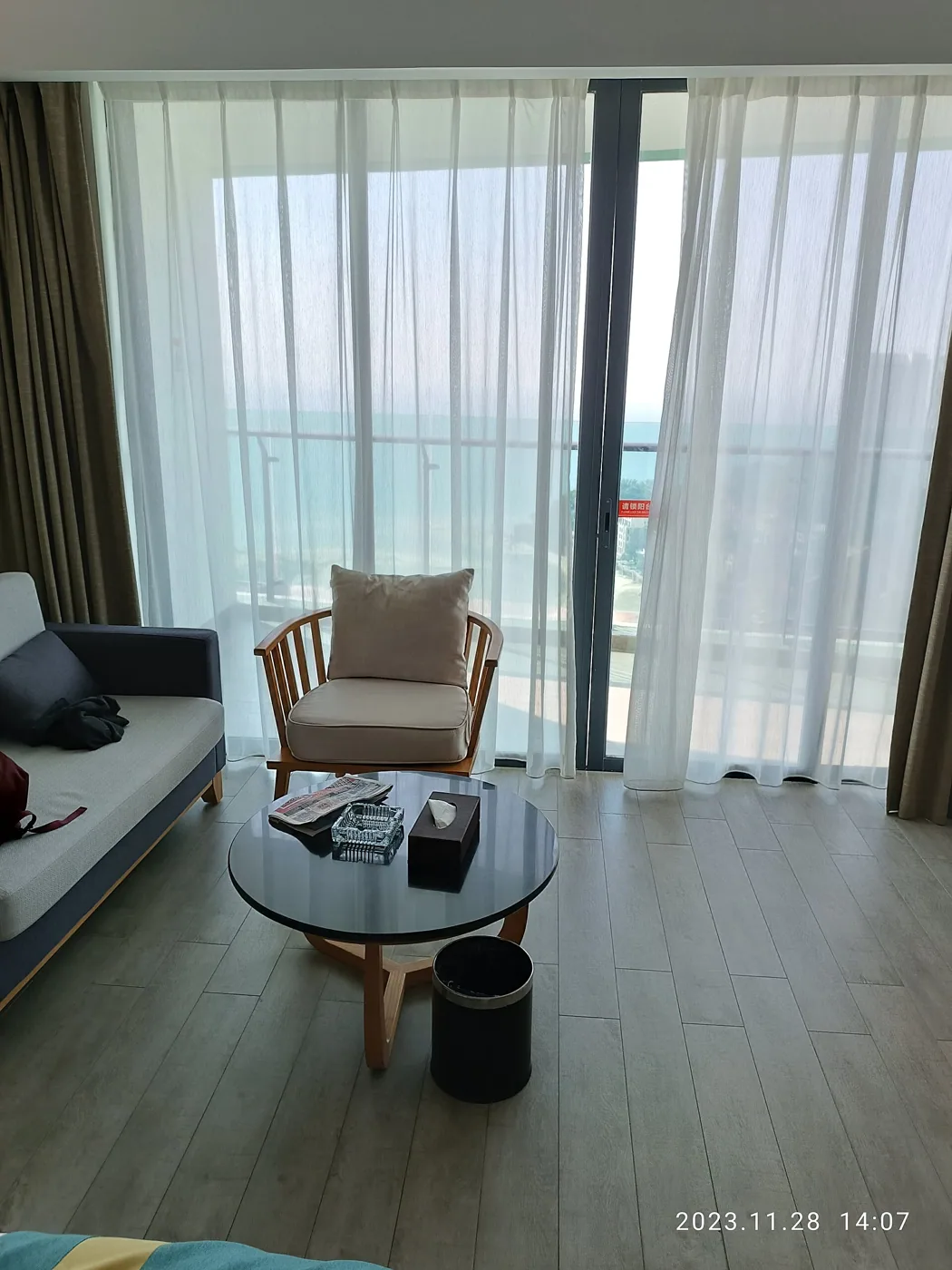
What thermal claims can deliver
Many blackout curtains are marketed as thermal or energy saving. The claim has a basis. A heavy, lined curtain adds a layer of still air between the window and the room, and a coated lining reduces the airflow, so it can cut the heat lost through a single-pane window on a cold night and block some solar heat on a sunny afternoon. The effect is real but modest, and it depends on the fit. A curtain that hangs close to the window, overlaps the frame and reaches the floor is much more effective than one that flaps open at the top.
Do not expect a curtain to turn a poor window into a good one. The savings are small relative to the effect of better glazing or weatherstripping, and a figure printed on a product, such as a percentage of heat reduction, is a laboratory result for a specific setup. In use, treat a thermal curtain as a comfort measure: the window area feels less cold at night, and the sun-facing room is less warm by day. If you want a larger effect, a cellular shade or a window film can do more.
Pay attention to condensation. A tight curtain against a cold window can trap moisture and cause mold on the glass, the sill or the fabric, especially in a room with little ventilation. Open the curtains during the day to let the glass dry, and leave a small gap at the bottom or top for air if you see condensation.
Measuring and fitting for a dark room
If darkness is the goal, plan the fit before the fabric. Measure the window frame, then add at least 6 inches on each side and 4 to 6 inches above, so the curtain overlaps the frame and the rod sits well beyond the opening. For a very dark result, wider is better: 10 to 12 inches on each side. The fabric width should be at least 1.5 to 2 times the rod width, so the folds close flat and the curtain does not gape in the middle when drawn. A pair of panels that meet with a 4 inch overlap in the center blocks the gap that a butt joint leaves.
Length follows the same logic. A curtain that reaches the floor, or sits a half inch above it, blocks the gap better than a sill-length panel, and a puddle of an inch or two on the floor seals it further, though it collects dust. For windows with a deep sill, hang the curtain from a rod placed far enough from the wall to clear the sill, and add a return at each end so the curtain closes the side gap.
Test the result at night with a lamp outside, or in the day with the room lights off, and mark the leaks with a pencil dot on the wall. Often a single strip of hook-and-loop tape or a short return bracket fixes the worst one, and the whole job takes minutes. Keep a small supply of fixings in a drawer.
Sleep, screens and glare in a living room
A living room that doubles as a place to nap, or where shift workers sleep in the day, has a stricter requirement than a normal room. In that case, choose blackout curtains with a wraparound rod and a lining, and aim for a gap of less than half an inch at every edge. For people who watch TV in the day, glare matters more than complete darkness, and a room darkening curtain with a dark lining at the TV window usually does the job.
If the room has a lot of light in the evening from streetlights or a neighbor's windows, the problem is the same as at dawn, and the same fix applies. A dimmable bias light behind the TV, as described in the LED strip lights guide, helps the screen look better in a dim room without needing total darkness.
What suits a living room
In a living room, you want control, not total darkness. For a TV room that is used in the day, blackout or thermal blackout curtains on the windows facing the TV are practical, since they reduce glare and let you see the screen. For a room that is used mostly in the evening, room darkening curtains give enough privacy and warmth, and look softer in daylight. For a room with a lot of afternoon sun, a lined curtain also protects furniture and rugs from fading, a topic touched on in the guide to curtain fabrics.
A double rod, with a sheer curtain in front and a blackout panel behind, gives you both. Draw the sheers for daytime privacy and softness, and close the blackout panels in the evening or when the sun is strong. This is more expensive and needs deeper brackets, but it is the most flexible setup for a living room. A roller shade or a Roman shade in blackout fabric, mounted inside the window frame, combined with decorative curtains outside, achieves a similar result with a tidier look.
Appearance matters in a space that is seen. A blackout lining can make a curtain look heavy and flat, so choose a face fabric with texture, such as a linen blend or a velvet, which gives depth. The light also changes the color: a curtain in a color you like in the shop can look different in the room. Take a sample home and check it by daylight and in the evening.
Renters, quick fixes and add-ons
If you cannot drill, there are options. A tension rod fits inside a window recess and can hold a lightweight blackout curtain, but it limits the width and the weight. Adhesive hooks hold a small rod for a light panel, though the weight limits are strict, as set out in how to hang curtains without drilling. A blackout liner, a separate lining panel that hooks onto the back of an existing curtain, turns a decorative curtain into a darker one at a low cost.
Light-blocking tape, a self-adhesive strip with a dark finish, can seal the gaps at the edges of a window frame, and a magnetic or hook-and-loop strip fixes the curtain to the wall. A temporary blackout film applied to the glass blocks light without changing the curtain, and can be removed. In an emergency, foil-backed cardboard or a dark cloth held with tape does the job, though it will not win any prizes for looks.
Care and durability
Blackout fabrics are harder to care for than plain ones. A coated lining can crack if it is machine washed hot, and some must be dry cleaned. Check the care label before you buy, and prefer a washable option for a living room where dust and pet hair gather. Vacuum the curtain with a soft brush attachment every month, and air it on a dry day. Avoid folding a coated lining tightly, since creases can crack the coating.
Sunlight is the main enemy of curtains. The face of a blackout curtain that faces a bright window can fade and weaken over years, and a lining that stops the sun protects the face fabric from the inside. Expect a lined curtain to last 5 to 10 years in a sunny room and longer in a shaded one.
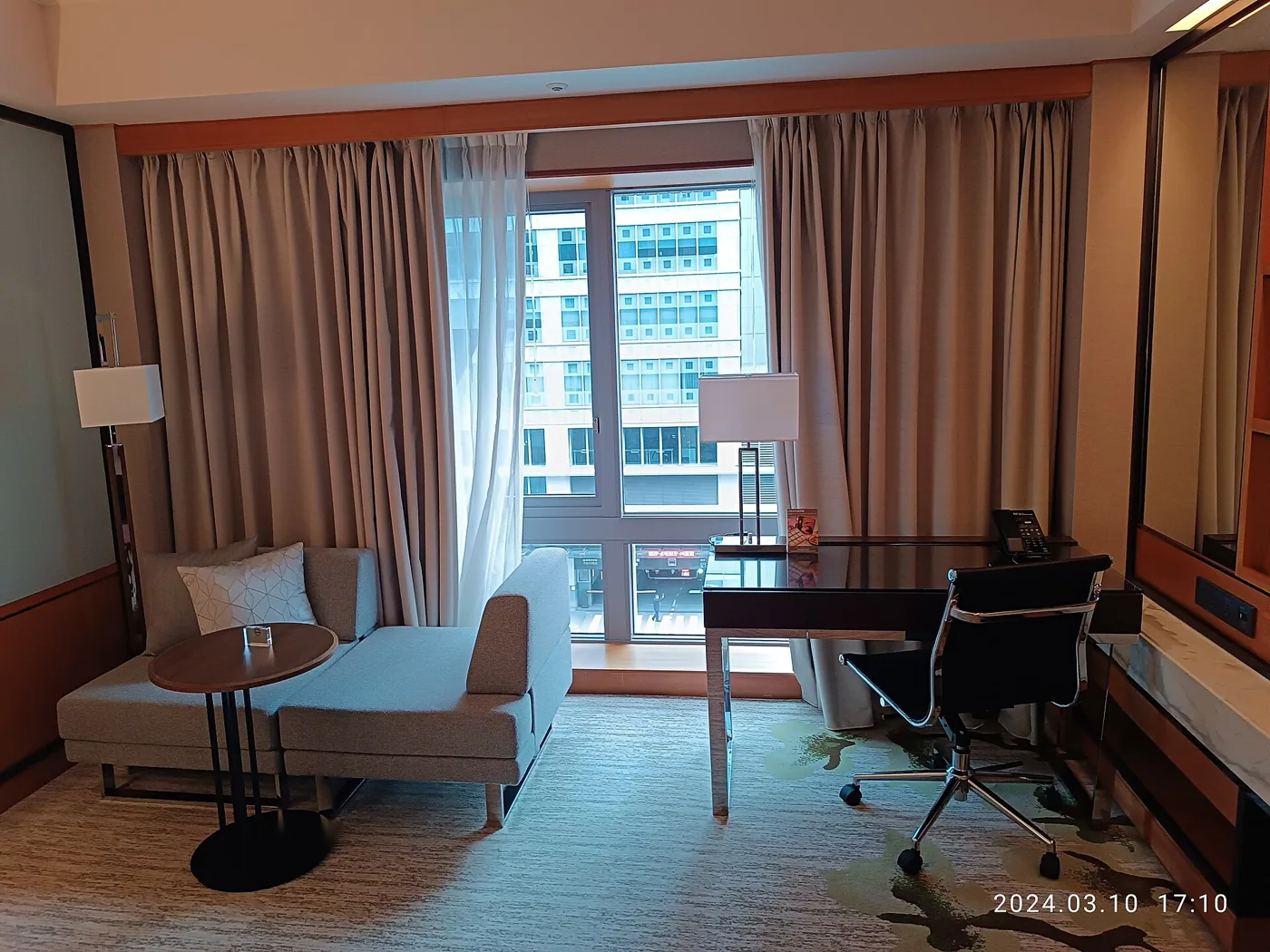
Frequently asked questions
What is the difference between blackout and room darkening curtains?
Blackout curtains aim to block nearly all light, commonly 99 percent or more, while room darkening curtains block a large share, often 85 to 95 percent. The terms are not regulated, so check the lining.
Why does light still come in around my blackout curtains?
The gaps at the sides, top and bottom let it through. Use a wider and higher rod, a wraparound rod or a valance, and make sure the curtain reaches the floor.
Do thermal curtains really save energy?
A little. A lined curtain that fits well adds insulation and reduces drafts, which helps comfort. The effect is modest compared with better glazing or sealing.
Are blackout curtains good for a living room?
Yes for TV rooms and sunny windows, but many people prefer room darkening or a double rod with sheers, so the room still looks bright by day.
Can blackout curtains cause mold?
If they trap moisture against a cold window with poor ventilation, yes. Open them during the day and watch for condensation on the glass.
Bottom line
Decide how dark you need the room. Choose blackout for glare and TV rooms, room darkening for a softer evening room and a double rod if you want both. Ignore the percentages and check the lining by holding it to the light.
Fix the gaps: mount the rod high and wide, reach the floor and use a wraparound rod or a valance. A modest curtain that fits well will beat an expensive one that leaves a halo.