Renters, owners of plaster walls and anyone who has drilled into a hidden pipe know the appeal of hanging curtains without a drill. The usual advice is a tension rod and a prayer. It works in some windows and fails in others, and the failures are predictable: a rod that sags in the middle, adhesive that lets go at 3 a.m. or a bracket that slides off a smooth frame. Knowing why each method fails tells you which one to pick for your window.
This guide covers the four non-drilling methods, what weight each holds, which window types suit them, how to prepare the surface and how to test before you trust it. It is honest about the limits: a heavy, lined curtain on a wide window is hard to hang without screws, and the guide says what to do in that case. The weights given are typical ranges, and the packaging of your product takes priority.
First, know how much your curtain weighs
All non-drilling methods are limited by weight, so weigh the curtain before choosing a method. A light, unlined cotton or polyester panel of 84 inches long weighs about 1 to 2 pounds. A lined panel weighs 3 to 5 pounds. A heavy blackout or thermal curtain can be 5 to 8 pounds per panel, and a velvet or lined drape can weigh 10 pounds or more. Add the rod and the rings, since a metal rod with clip rings can add 2 to 4 pounds. A pair of panels with a rod can total 10 pounds, which exceeds many adhesive products.
A kitchen scale or a luggage scale, with the curtain and the rod in a bag, gives the answer. If the total is under 3 pounds, almost any method works. Between 3 and 6 pounds, choose a tension rod or a bracket with a clear rating. Above 6 pounds, a non-drilling method is risky, and a screw into a stud or a proper anchor is a better solution, perhaps with the landlord's permission. Remember that a slight pull, as when you draw the curtains, adds a dynamic load beyond the static weight.
| Method | Typical limit | Best for | Main weakness |
|---|---|---|---|
| Tension rod | 3 to 10 lb, by width | Window recesses, narrow windows | Sags on wide spans, slips on smooth surfaces |
| Adhesive hooks or brackets | 2 to 8 lb per hook | Light panels, sheers | Fail on textured paint, damp or dusty walls |
| Spring-loaded frame brackets | 3 to 8 lb | Windows with a frame of 1 inch or more | Need a particular frame depth |
| Ceiling track with adhesive or tension | 2 to 6 lb | Floor-to-ceiling hang, sheers | Needs a flat, clean ceiling |
Tension rods
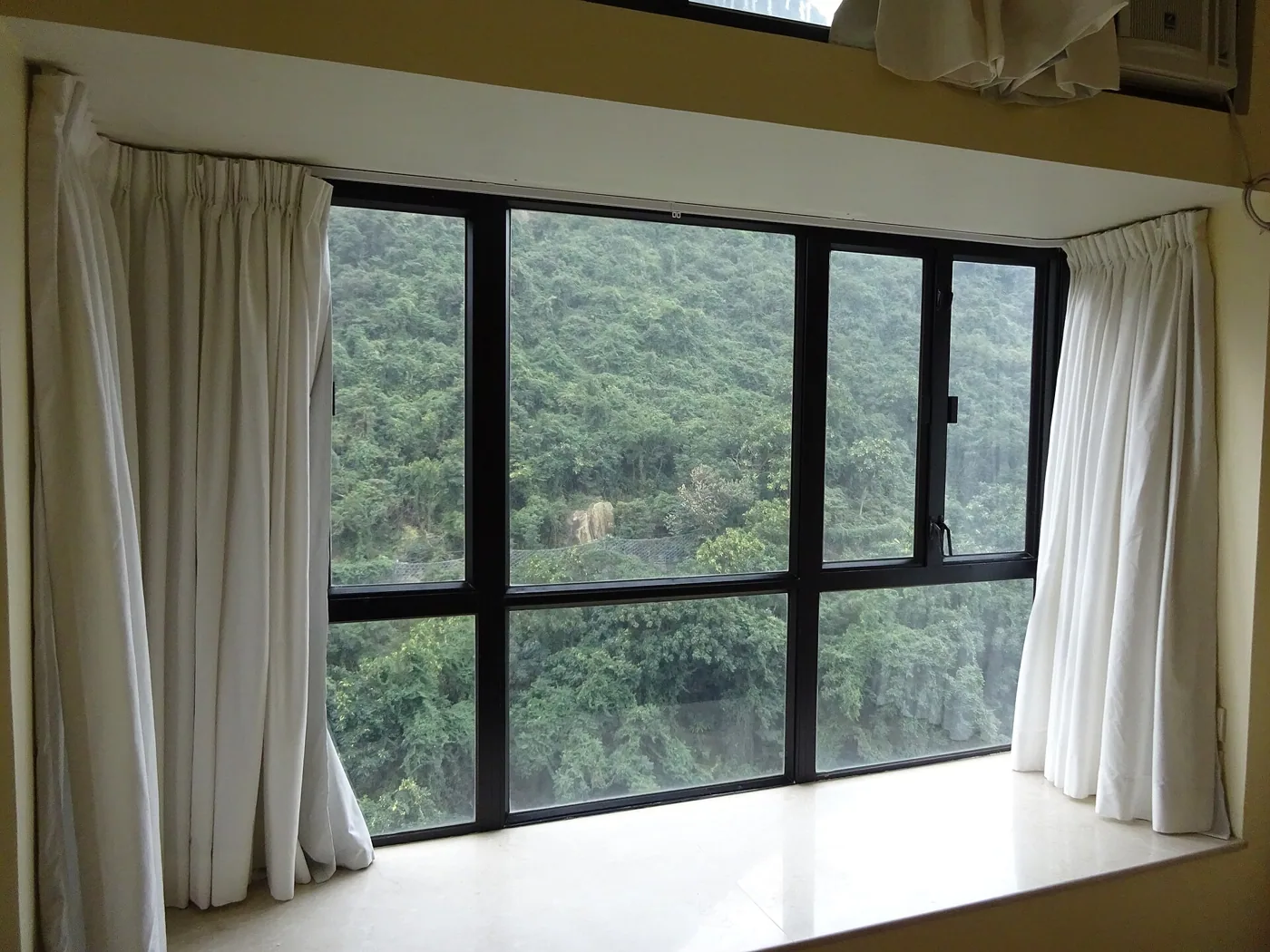
A tension rod has a spring inside it, and it extends until the rubber ends press against the sides of a recess. The friction between the rubber and the wall holds it up. It works well inside a window recess, where the sides are flat and firm, and for narrow windows up to about 48 inches wide. The rod should be a heavy-duty type with a diameter of 1 inch or more, since a thin rod bends under a curtain's weight and the ends lose their grip.
The limits are clear. A rod of 36 inches might hold 10 pounds, while the same design at 72 inches holds much less, since the longer the span the greater the sag and the weaker the grip. The rod should be tight enough that it does not move when pushed, but not so tight that it dents the plaster or cracks the paint. Smooth, glossy surfaces such as tile and glass reduce the grip, and a drop of rubber or a non-slip pad on the ends improves it. Textured walls offer more grip but can leave marks.
Use a tension rod with a lightweight curtain with a rod pocket or small rings, and avoid heavy lined drapes. Keep the curtain from being pulled along the rod hard, since each pull transfers force to the ends, and use a slim wand or tap the panel gently. Check the fit every few weeks, since seasonal changes in temperature and humidity can loosen the rod. A rod that has slipped once will slip again, so re-tighten it a little as soon as you notice it sagging.
Adhesive hooks and rod brackets
Adhesive hooks, strips and rod brackets stick to the wall with a pressure-sensitive foam. They suit lightweight rods and panels of up to a few pounds, and they remove cleanly if you follow the instructions, which usually involve pulling the tab straight down along the wall. Brackets with a rod that holds two panels may need several hooks, each rated for its share of the weight, and the rating is usually printed on the package per hook and per set.
Surface preparation is critical. Wipe the spot with rubbing alcohol and let it dry, since dust, grease and cleaning product residue stop the adhesive from gripping. Do not stick them on wallpaper, textured paint or a surface painted in the last two weeks, because uncured paint is weak and can peel off with the hook. Press each one firmly for 30 to 60 seconds, as the instructions say, and wait an hour before hanging the weight. In a humid room such as a kitchen or a bathroom, adhesives are less reliable.
For the best results, use more hooks than you think you need, spaced evenly, and stay well below the stated weight limit. A good rule is to use no more than half of the rating. If the rod is long, support it in the middle with a hook, since a sagging rod puts more load on the end hooks. Do not pull the curtain hard, and do not hang a rod with heavy rings. Check the hooks occasionally by pressing a finger on them, and replace any that begin to peel at the edge.
Spring-loaded and clip-in frame brackets
Some brackets are made to grip the window frame itself, without screws or glue. A spring-loaded or wedge-style bracket, sometimes sold under names such as no-drill curtain brackets, is pushed into the gap between the frame and the wall or into the track of a sash window, and it holds by pressure. A pair of these brackets holds a standard rod, with a limit of about 3 to 8 pounds. They are neat, because they place the rod outside the window recess, at the front of the frame, where a curtain normally hangs.
They suit windows with a defined frame of 1 inch or more, such as casement and sash windows, and do not work on a flush, frameless window. Measure the frame depth and width before buying, and check the compatibility with the rod diameter. The bracket may mark soft wood or leave a dent in the paint, so apply a small felt pad where it touches. On a vinyl or aluminum frame, check that it is not so thin that the bracket slips.
These brackets are the nearest thing to a real rod mounting, and they are good for lightweight to mid-weight curtains. They do not allow a high rod above the frame, which limits the effect on window height, as described in the curtain length and width guide. If you want the curtains to hang from the ceiling, move to the next method.
Ceiling tracks and over-the-door options
A ceiling track gives a high, clean line, and some versions fix with adhesive strips or tension, not screws. They hold sheer or light panels and are best for rooms where you want a floor-to-ceiling look. The ceiling surface must be flat, clean and dry, and a textured ceiling usually defeats adhesive strips. A tension version spans a recess or an alcove, from wall to wall at the ceiling, and works only where the walls are parallel and firm.
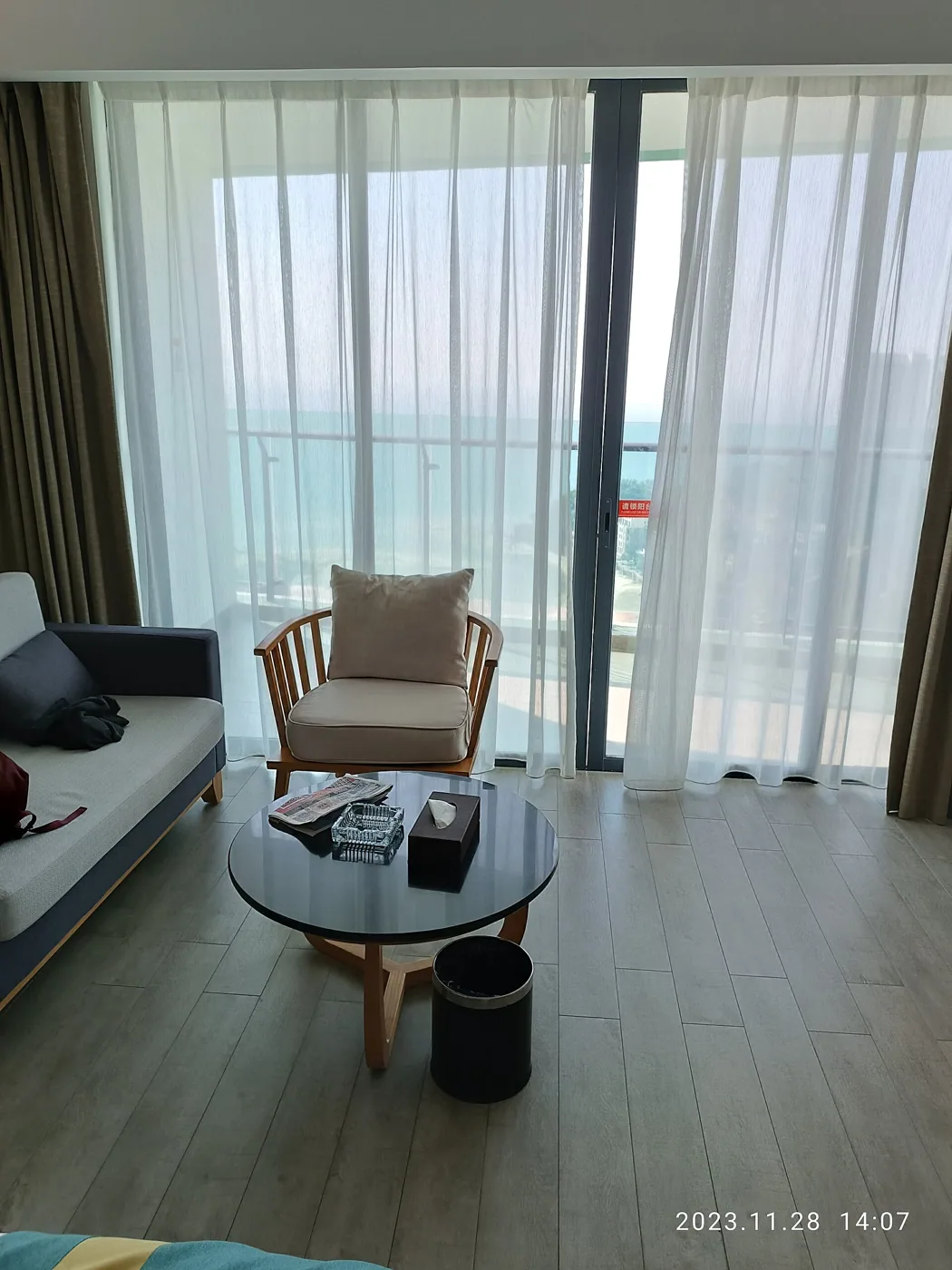
For doors and room dividers, a curtain on a hook-over rod hangs from the top of the door and needs no fixing. A door curtain hangs on the door's top edge with a hook-over bracket, and works for a light panel. A freestanding curtain stand, a floor-to-ceiling pole that sits on a base, is another renter option, though it takes up floor space. For a patio door, a tension rod at the top of the opening, or a rod on brackets that hook onto the top of the door frame, holds light panels.
Another option is a curtain clipped to the top of a tall piece of furniture or a bookcase on one side of the window. It is unconventional, but in a small apartment it is a way to cover a window without touching the wall.
Window types that change the answer
A deep recess, as in many older homes, suits a tension rod, and a shallow or flush window needs a bracket or an adhesive method. A bay window needs several short rods, one for each section, and is difficult to cover without brackets. Sliding glass doors have a large width, usually 72 inches or more, and a heavy curtain, so a tension rod is not suitable, and the best approach is a ceiling-mounted track or a pair of adhesive brackets with a lightweight panel.
Sash windows suit spring brackets at the sides, and café-style curtains on a small tension rod in the lower sash are a classic solution. Casement windows that swing open need a rod that does not block them, so a small curtain on a rod across the frame, attached to the sash, is a better fit. In a rental with tile or glass surfaces, choose adhesive hooks made for those surfaces or a suction hook for very light items, though suction fails in time.
Choosing curtains that suit a no-drill setup
The fabric and the heading decide whether a non-drilling method holds. Pick light, unlined or lightly lined panels in cotton, linen blends or polyester, which weigh less than velvet or thick blackout material. The curtain fabric guide compares the weight and the drape of the usual fabrics. A rod-pocket or a tab-top heading puts the weight directly on the rod, and a clip ring adds the weight of the rings, so choose lightweight plastic or small metal clips. Avoid decorative finials and heavy rings that add weight at the ends, where the bracket carries the most load.
If you need darkness, there is a compromise: a blackout liner or a lightweight blackout panel can hang from a tension rod in a narrow recess, but a wide window with heavy thermal drapes needs a more secure support. The trade-offs between blackout and room darkening fabrics, and how to deal with light gaps at the edges, are covered in blackout versus room darkening curtains. A lightweight blackout can be paired with a wraparound tension rod to cut the side gaps, a neat trick for a bedroom or a TV room without drilling.
Renter checks and what to do when a method fails
Before you pick a method, read the lease. Some landlords ban adhesive products on painted walls, and others allow small screw holes if they are filled at move-out. A single small hole for a bracket is often easier to hide than a patch of peeled paint from a strip. If screws are allowed, a pair of brackets into the window frame, not the wall, uses fewer holes, and wood filler hides them. Ask in writing if the lease is unclear.
If a method fails, work out why rather than trying the same thing again. A tension rod that slides is either too loose, or the surface is too smooth, or the curtain is too heavy. Adhesive that peels is on a dusty, damp or textured wall. A bracket that pops out is the wrong depth for the frame. Swap in a lighter curtain, add a center support or move to the next method in the list. Keep the receipt and the packaging for returns, and photograph the wall so you can show it was undamaged.
Finally, set realistic expectations. A tension rod and a lightweight panel look fine and cost little, but they will not match the look of a heavy drape on a high, wide rod. If the window is important and the lease allows, one small set of screws in a stud makes the result better and safer, and a bit of filler and paint at move-out restores the wall.
Test, then trust
Before hanging the full load, test. Hang the rod with no curtain and pull down on it firmly, in the same way as drawing the curtain. Then add one panel and leave it for a day. Check again after a week, then after a change of weather. If a hook starts to peel or a rod starts to slide, switch to a different method before the curtain falls. A falling curtain with a metal rod can break glass or damage a floor.
Plan for the removal as well. To remove an adhesive strip, pull the tab slowly parallel to the wall, and warm it with a hair dryer if it resists. A bracket should come off with a gentle pull, and any marks can be touched up with a dab of paint. Keep the packaging and the paperwork if you are renting, since you may need to reuse the hardware. For a deposit, take a photo of the wall before and after.
Frequently asked questions
Can I hang heavy curtains without drilling?
Not reliably. Non-drilling methods usually hold 2 to 10 pounds, and heavy lined or blackout curtains exceed that. For heavy drapes, a screw into a stud or an anchor is the safe route.
Do adhesive curtain hooks damage walls?
They can pull off paint if the paint is not cured, if the wall is textured or if the strip is removed the wrong way. Pull the tab slowly along the wall to release the adhesive.
How wide can a tension rod be?
Quality rods work to about 48 to 60 inches for a light curtain. Beyond that they sag and slip, so use brackets or a track.
Will a tension rod hold blackout curtains?
Only on a narrow recess and with a heavy-duty rod. A wide window needs a more secure fixing.
How do I stop a tension rod from slipping?
Wipe the ends and the wall with alcohol, add rubber pads and tighten the rod until it does not move when pushed. Use a lighter curtain and check it every few weeks.
Bottom line
Weigh the curtain first, then choose the method: a tension rod for a narrow recess, adhesive hooks for light panels, spring brackets for a window with a frame and a ceiling track for a high hang. Prepare the surface and stay well below the stated limit.
Test before you trust it, and if the curtain is heavy, accept that a screw is the right tool and ask the landlord. For light fabric, a non-drilling fixing can look as good as a drilled one.