A coffee table is the surface in the room that takes the most punishment: drinks set down without a coaster, feet put up on it, children's art projects, a hot plate, a dropped phone. The material of the top decides whether those events leave a mark, and the marks of one material are not the marks of another. A table that is perfect in a magazine photograph can be a daily source of irritation in a house with a toddler or a cat.
This guide compares the common materials, wood, engineered wood and laminate, glass, stone, metal and rattan, on scratches, rings and stains, weight, safety around children and cleaning. It is based on how the materials behave and on patterns in owner feedback, and it avoids brand claims. The goal is to help you pick a table whose weaknesses are ones you can live with.
Solid wood
Solid wood is the traditional choice, and for good reasons. It is strong and can last for decades, and the grain and warmth give a table character. A hardwood such as oak, walnut, maple or ash resists dents, and a table with a good finish handles ordinary use well. Most important, solid wood can be refinished: scratches and rings can be sanded out and the surface recoated, so a table that is damaged is not finished.
The weaknesses are marks and movement. Wood scratches, particularly softer species such as pine, and a hot mug or a wet glass can leave a white ring in the finish. Wood also responds to humidity, expanding in damp weather and shrinking in dry air, and a large solid top can warp or crack if it is poorly made or placed near a heat source. A finish with a tough coating, such as a polyurethane, protects the surface, and an oil finish is easier to repair but marks more readily.
Weight is also an issue. Solid wood is heavy, which makes a table stable but hard to move. In a rental or a small room that you rearrange often, this can be a nuisance. For care, wipe with a damp cloth, use coasters and a mat under hot items, and keep the table out of direct sun, which fades the color. Our guide to solid wood versus engineered wood furniture explains how to tell the difference.
Engineered wood and laminate
Most coffee tables at moderate prices are made of engineered wood: a core of particleboard, medium-density fiberboard or plywood, covered with a thin wood veneer, a laminate or a printed foil. The surface can imitate wood, stone or a solid color, and a good laminate is hard, resistant to stains and easy to wipe. These tables are lighter and cheaper than solid wood and are stable across humidity changes.
The weaknesses are the edges and moisture. The surface layer is thin and cannot be sanded, so a deep scratch or a burn is permanent. The edges and corners chip, exposing the core, and the damage is hard to disguise. If water gets into the core through a chip or an unsealed edge, particleboard and MDF swell and the surface lifts, so a spill left standing can cause permanent damage. A laminate top can show damp rings if moisture seeps under the edge.
For homes with children, engineered wood is a reasonable choice, since the surface resists stains and is easy to clean, but the edges are a vulnerable spot, and a table that is bumped often will show it. Wipe spills quickly, use coasters, and avoid abrasive cleaners. A veneered table with a wood surface is a middle path, since a veneer can be lightly repaired by a professional, though not as much as solid wood.
| Material | Scratches | Rings and stains | Weight | Kids | Cleaning |
|---|---|---|---|---|---|
| Solid wood | Show, but can be sanded out | Heat and water rings possible | Heavy | Good if edges are rounded | Damp cloth, coasters |
| Engineered wood, laminate | Resists light scratches, deep ones permanent | Stain resistant, swells if soaked | Light to medium | Fair, edges chip | Wipe, avoid soaking |
| Tempered glass | Can scratch, edges chip | No stains, shows prints | Medium to heavy | Fair, breaks into small pieces | Glass cleaner, frequent |
| Marble and stone | Resists scratches, can etch | Stains and etches from acids | Very heavy | Poor, hard and heavy | pH-neutral cleaner, seal |
| Powder-coated metal | Resists, can chip | Resists | Light to medium | Good if rounded | Damp cloth |
| Rattan and wicker | Snags, frays | Absorbs spills | Light | Fair | Vacuum, brush, damp cloth |
Glass
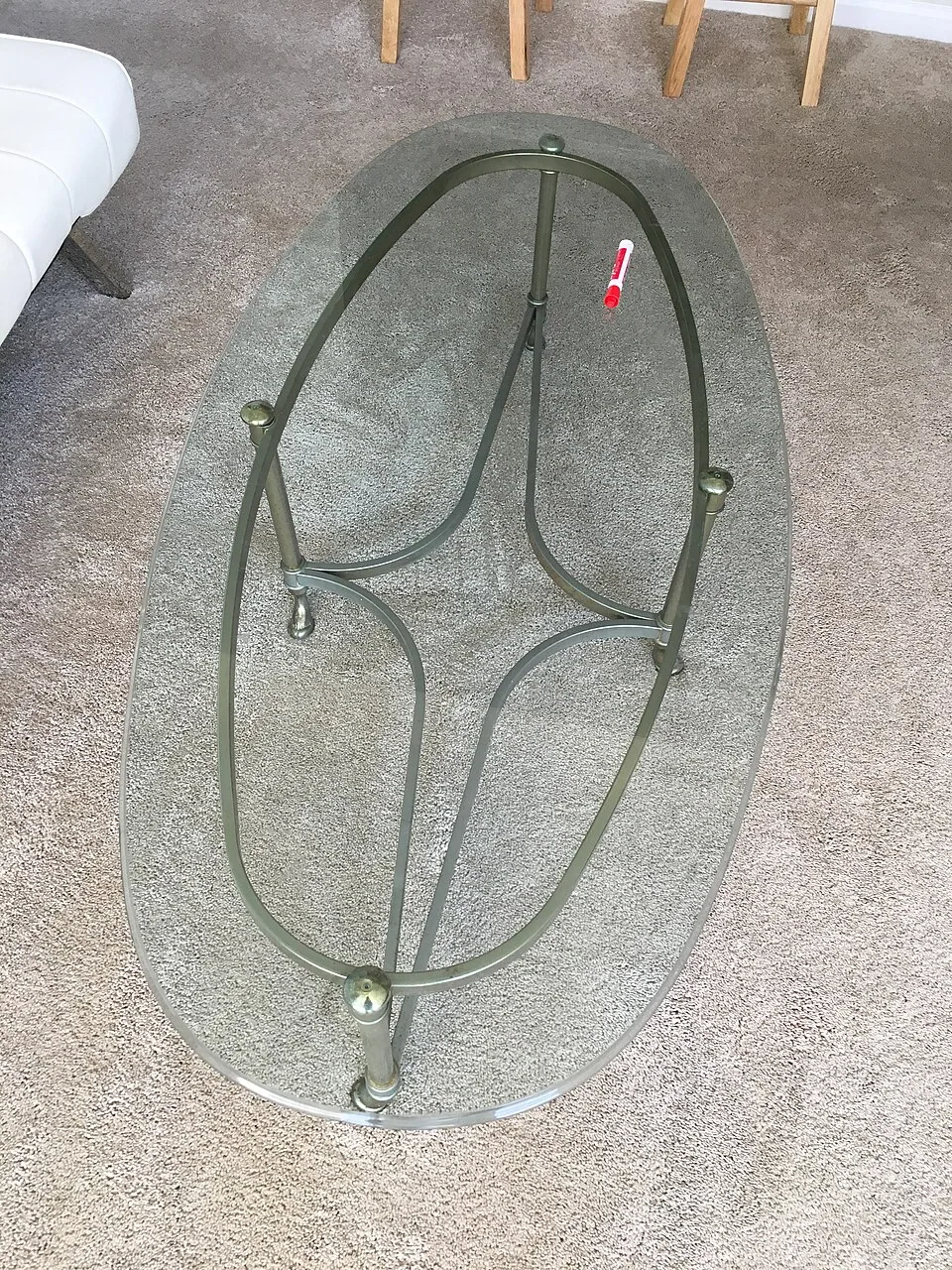
A glass top keeps a room open. It lets the eye pass through to the floor and the rug, which helps in a small room, and it is not affected by water, heat or stains. A glass table is easy to wipe clean and does not absorb anything, so spills and rings are not a problem.
The costs are visibility and safety. Glass shows fingerprints, dust, smears and water spots, and in a house with children or pets it needs wiping often. It can scratch, especially with abrasive objects dragged across it, and the edges can chip. Most coffee tables use tempered glass, which is heat-treated to be several times stronger than ordinary glass and which breaks into small, blunt pieces, not sharp shards. Check that the listing says tempered, and look at the thickness, with 8 to 12 millimeters typical for a coffee table.
Tempered glass can still shatter, rarely and sometimes spontaneously because of an internal flaw or a hit on the edge, so a table with a glass top in a home with small children needs thought. Rounded or polished edges, a frame that supports the edges and a table that does not tip are safer. Glass is also noisy: a cup set down on it clinks, and a tabletop with a rubber pad is quieter. A glass top over a darker rug or a patterned surface can look busy, because everything below it is visible.
Stone and marble
Marble, travertine, granite and other stone tops are heavy and handsome, and they give a table presence. They are cool to the touch, hard and heat resistant, and a polished stone top is easy to wipe. Because they are heavy, they are very stable, and they are a long-term choice for a room that will not change.
The main weakness of marble and limestone is that they are porous and chemically reactive. Acids, such as lemon juice, wine, vinegar and many cleaners, etch the surface, leaving a dull mark where the polish is dissolved, and colored liquids, oil and coffee can stain if they sit. A sealer helps, but it does not make the stone proof, and it needs to be renewed. Granite is harder and more resistant to etching, though it can still stain if unsealed. Some tops sold as marble are marble-look laminate or a composite, which behaves differently.
Weight is the other trade-off. A stone top may weigh 50 pounds or more, which makes the table difficult to move and risky for children if it tips, and a falling stone top can cause serious injury. Place it on a firm floor, use a frame with a wide base and avoid it in a home with toddlers who pull themselves up on furniture. Clean with a pH-neutral cleaner and a soft cloth, and always use coasters.
Metal
Metal tables use steel, iron, aluminum or brass, often with a powder-coated finish, and many pair a metal frame with a wood, glass or stone top. A powder-coated steel frame is strong, resists scratches and is easy to wipe. Metal frames can be thin, which suits a small room, and they are generally lighter than stone or solid wood, so the table is easier to move.
A solid metal top is less common but durable. It resists heat and stains, but it can dent or scratch, depending on the metal, and show fingerprints. Brass and copper tarnish and develop a patina, which some owners like and others find laborious. Stainless steel shows fingerprints and water marks and needs regular wiping.
The weaknesses are mostly practical. Metal is cold and hard, and a sharp edge at knee height can hurt, so look for rounded edges. A table that is light can be knocked over, and a metal base on a wood floor can scratch it, so add felt pads. A powder coating can chip, exposing the metal beneath, which can rust in a damp room. For care, wipe with a damp cloth and a mild cleaner, and touch up chips with a matching paint.
Rattan, wicker and woven materials
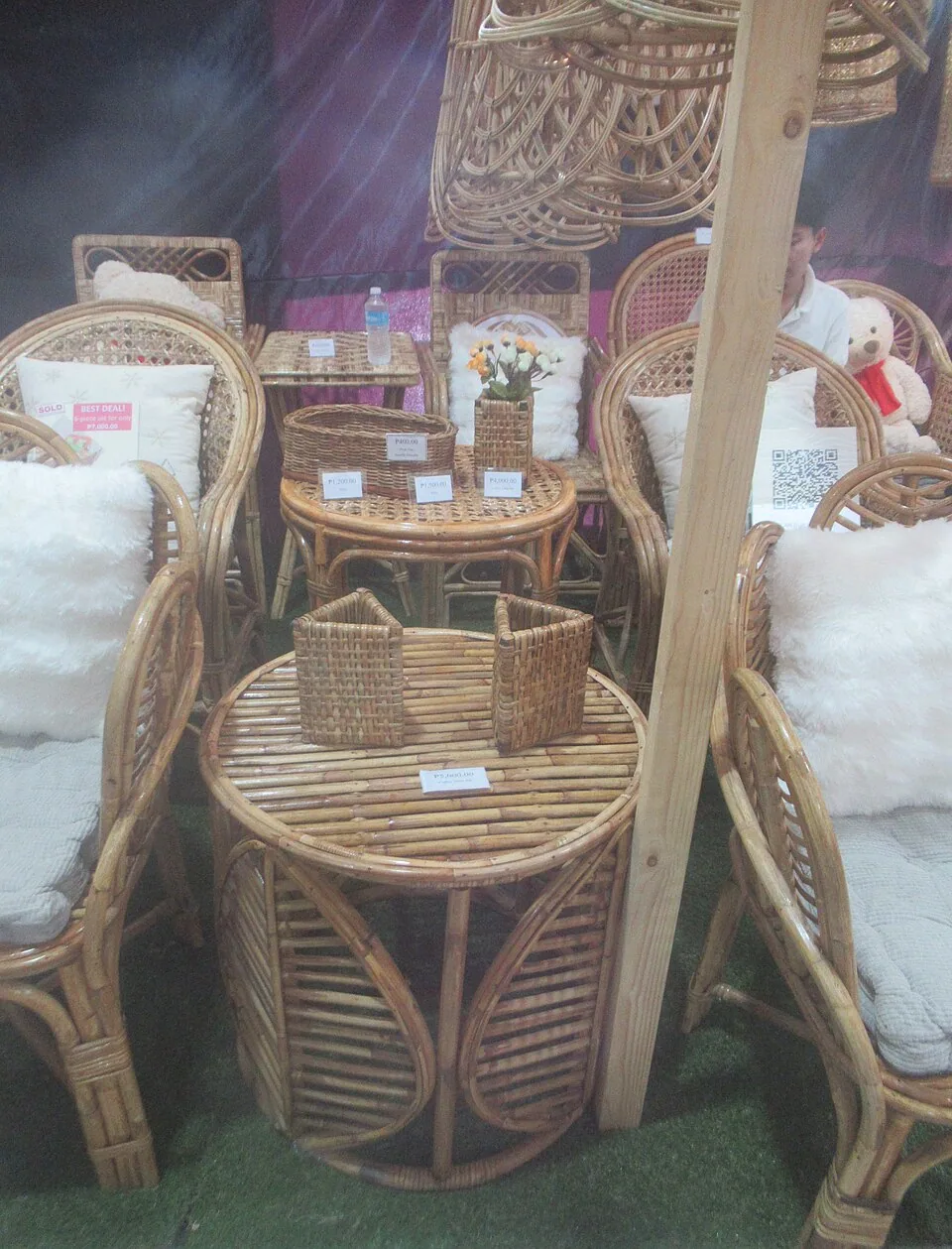
Rattan, cane, wicker, seagrass and similar woven materials give a table warmth and a textured, relaxed look. They are light and easy to move, and a rattan table can have a glass or wood top on a woven base. In a casual, bohemian or coastal room, they add character and soften a room of hard surfaces.
Woven tables have a few weaknesses. The weave collects dust and crumbs, which need to be vacuumed or brushed out. Natural fibers absorb spills and can stain, and the surface can snag clothes and pets' claws, and fray at the ends. A woven top is not a flat surface, so a glass or wood top is usual for drinks. Rattan can dry out and crack in a very dry room, and can mildew in a damp one, and sunlight fades and weakens it.
Synthetic wicker, made from resin or plastic fibers, is more durable and moisture resistant than natural rattan, and is common on outdoor furniture, but it lacks the warmth of the natural material. For a household with a cat, a woven table is an irresistible scratching post, and a smooth material is a better choice. For care, vacuum with a brush attachment and wipe with a slightly damp cloth.
Choose by household
For a household with young children, avoid heavy stone, thin glass and sharp metal corners. Choose a table with rounded edges, a sturdy base and a surface that resists stains, such as a laminate or a sealed wood top, or an upholstered ottoman. Our guide to round versus rectangular coffee tables covers the shape side of safety.
For a household with pets, avoid rattan and soft wood that claws can mark. A powder-coated metal, a laminate or a hard wood with a tough finish is practical. Glass is easy to clean but shows nose prints. For a household that entertains, choose a surface that can take wine and hot dishes, such as sealed wood with a mat, glass or a granite top, and avoid acid-sensitive marble.
For a rental or a household that moves, choose a lighter material, such as metal, engineered wood or rattan. For a room that will stay the same for years and where you want the table to age gracefully, solid wood is the best long-term bet. Our guide to best coffee tables compares specific models.
Finally, think about the room. A glass top suits a small room, a wood top suits a warm, traditional room, stone suits a formal one, metal suits an industrial or modern one and rattan suits a relaxed one. Mixed-material tables, such as a wood top on a metal base, balance the strengths and weaknesses of each.
Habits that protect any table
A few habits protect every material. Use coasters for drinks and a trivet for hot dishes, since heat and moisture are the main enemies. Wipe spills at once, and use a cleaner suited to the surface, not an all-purpose spray. Keep the table out of direct sun, which fades wood and weakens rattan, and away from radiators and vents. Felt pads under the feet protect the floor, and levelers fix wobble on an uneven floor.
Check fasteners after the first few weeks, since screws settle and a table that wobbles stresses the joints. Lift the table to move it, instead of dragging, and do not stand or sit on it unless it is rated for it. Our guide to styling a coffee table suggests trays and other ways to protect the surface while keeping it attractive.
Frequently asked questions
What is the most durable coffee table material?
It depends on the use. Solid hardwood with a tough finish lasts the longest and can be refinished, and powder-coated metal and laminate resist everyday wear. Each has a weak point, so match the material to the habits of the household.
Which material is best for kids?
A table with rounded edges, a stable base and a stain-resistant surface, such as a sealed wood top or a laminate. Avoid heavy stone and glass in a home with toddlers, or choose tempered glass with a frame and rounded edges.
Is a glass coffee table a bad idea?
Not if it is tempered, has polished edges and suits the household. It shows fingerprints and needs frequent wiping, and it can be noisy. In a home with very young children, a different material may be safer.
Does marble stain easily?
Marble is porous and etches with acids such as lemon and wine, and it can stain from coffee and oil. A sealer helps, but wipe spills at once and use coasters. Granite is more resistant.
Are rattan coffee tables practical?
They are light and attractive, but they collect dust, snag and absorb spills. A rattan base with a glass or wood top is more practical than a woven top. Avoid them if you have a cat.
Bottom line
Pick the material by how your household treats a table. Solid wood suits a long-term, repairable choice. Laminate and powder-coated metal suit busy homes and children. Glass suits a small room if you do not mind wiping. Stone suits a formal room without toddlers, and rattan suits a relaxed room without claws.
Whatever you choose, use coasters, wipe spills quickly and keep the table out of direct sun. A table that is looked after lasts, and the right material is the one whose weakness you can live with.