Rug shoppers compare color, pattern and size, and then touch the sample to decide on softness. The number that has the biggest effect on daily life, though, is rarely on the front of the listing: pile height. It decides whether a door opens over the rug, whether a dining chair slides or tips, whether a vacuum cleans or stalls, and how much dirt sits invisibly in the fibers.
This guide defines the pile categories, explains how pile traps and releases dirt, and shows how each height behaves around doors, chair legs and vacuums. It ends with a way to match a pile to a room, so that the rug you pick is the one you will still like after a year of use.
What pile height measures
Pile is the surface layer of a rug, made of yarn that is knotted, tufted or woven into a backing, then cut or looped. Pile height is the distance from the backing to the top of the yarn, measured in inches or millimeters. It is not the same as the rug's overall thickness, which includes the backing and any pad, but the two move together.
Manufacturers describe pile loosely, and a "low pile" rug from one maker may be a "medium" from another, so check the measurement. Here is a working scale: flatweave and very low pile are under 0.25 inches, low pile 0.25 to 0.4, medium 0.4 to 0.6, high pile 0.6 to 1 inch and shag over 1 inch. Dense pile is also different from tall pile: a dense short pile feels firm, and a loose tall pile feels soft and collapses.
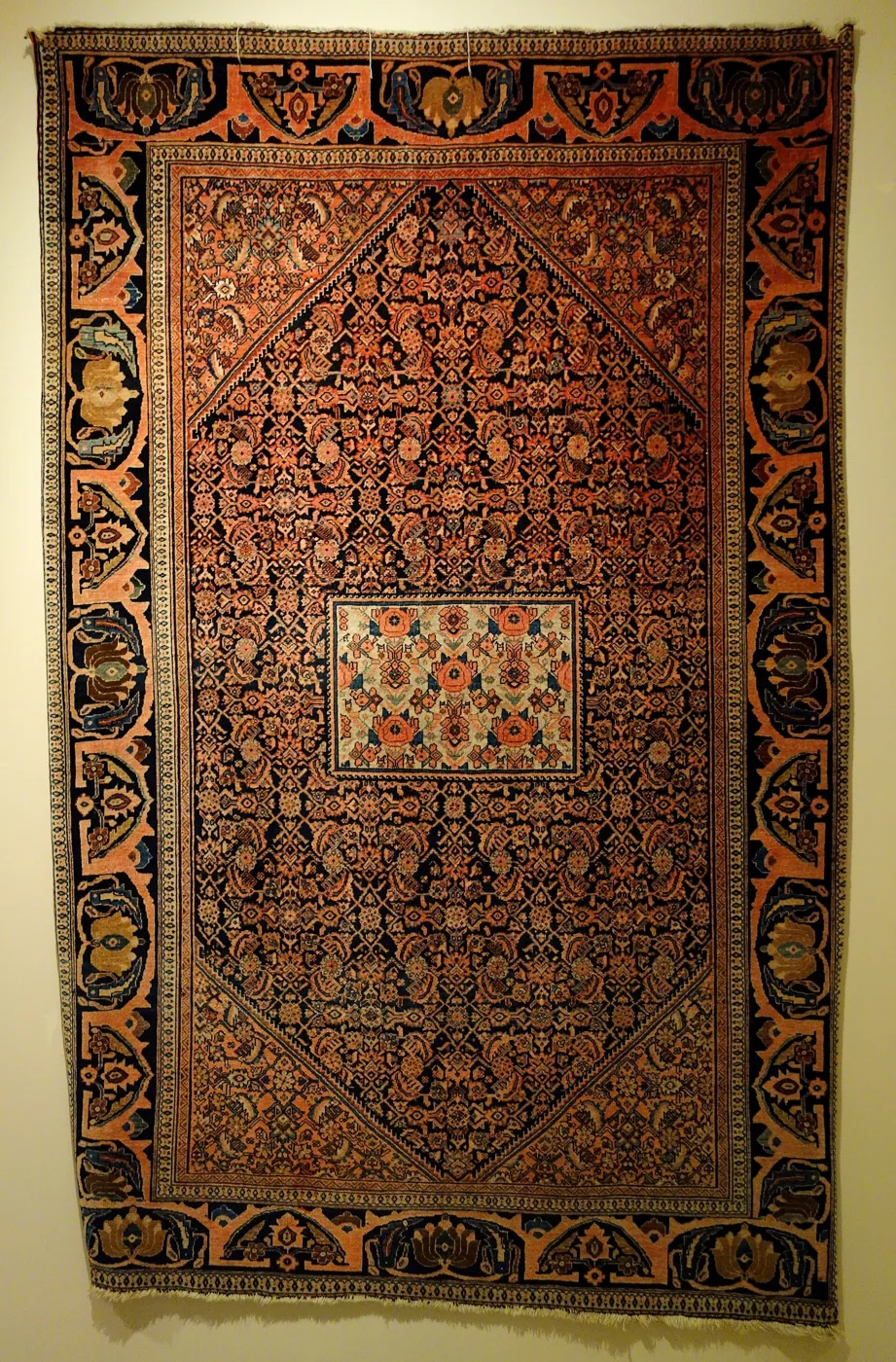
Low pile and flatweave
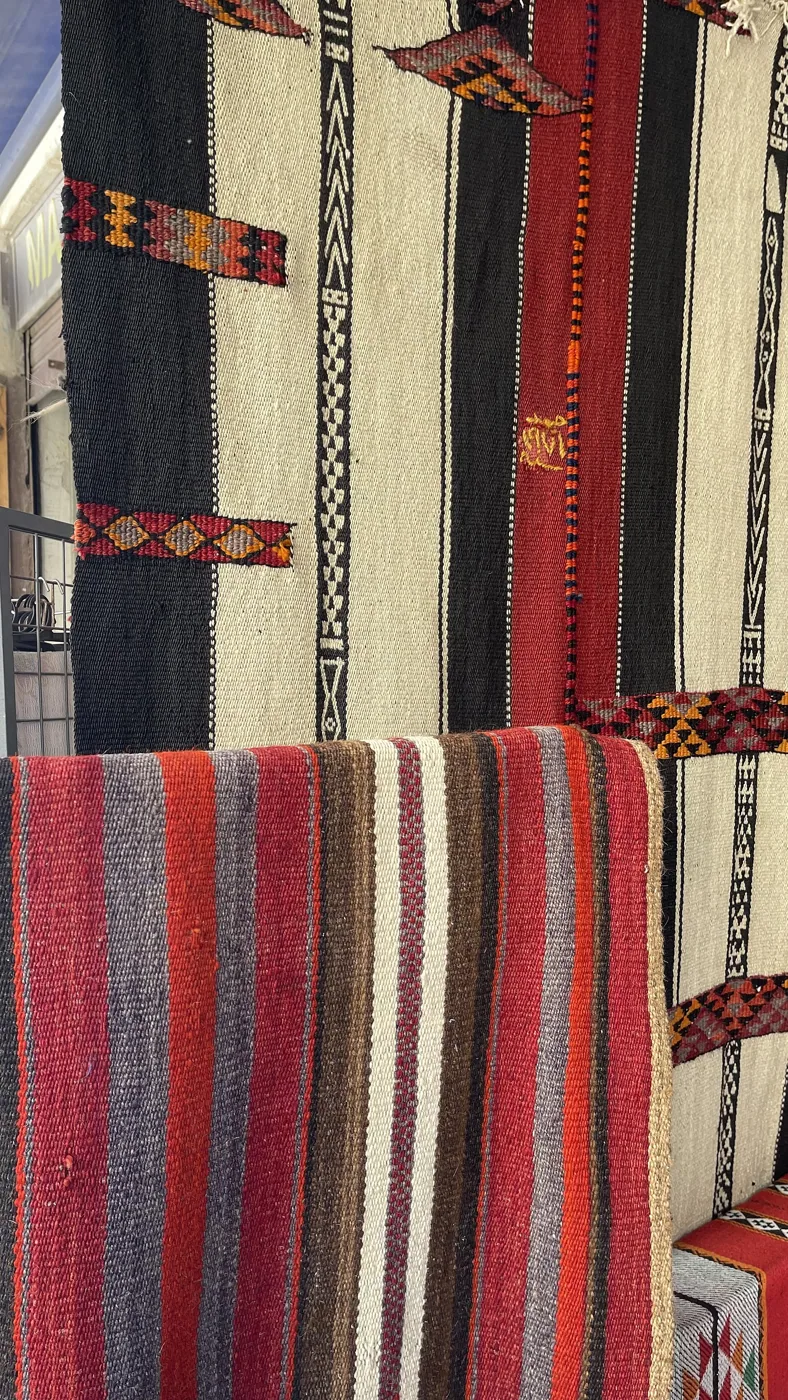
Low pile rugs, along with flatweaves, which have no pile at all, are the most practical for daily life. At under a quarter to a third of an inch, they lie flat against the floor and fit under most doors without trimming. Chairs slide on them easily, which is good for dining but means a pad is needed to keep the rug in place. They are the best choice for a robot vacuum, which struggles on anything thicker.
The downsides are the feel and the cushioning. A low pile rug is firm underfoot, and it does little to insulate against a cold floor or absorb sound. Because the yarn is short, the rug is easy to clean, but it also shows wear in the traffic lanes sooner, as the surface flattens. If you value ease of cleaning and a flat surface, this is the right pile height for an entry, a hallway and a dining room.
Medium pile
Medium pile, roughly 0.4 to 0.6 inches, is the best all-round living room compromise. It feels comfortable underfoot, absorbs some sound and hides footprints better than a very low pile. It is thin enough for most vacuums and rolls under a door with a modest gap.
The tradeoff is moderate on every measure. It can crush under heavy furniture, so use coasters or furniture cups under sofa legs, and a rug pad that adds thickness may push the combined height up to the point where it catches a door. Dirt settles into the pile but can still be reached by a vacuum with the right setting. For a family living room, a medium pile in a dense, durable fiber is a safe choice, and it fits the sizes in our rug size guide.
High pile and shag
High pile, from 0.6 to 1 inch, and shag, over an inch, have long, soft yarn that creates a deep, plush surface. They are cozy for a bedroom or a lounge area where people sit on the floor, and they add warmth and sound absorption. The long fibers also cast a soft, textured look that appeals to many people.
The practical costs are substantial. Dirt, crumbs and pet hair sink deep into the pile, and the pile can hide them until the rug is dirty. Vacuums, especially those with a beater bar, can tangle in the long strands, and a high-pile rug usually needs the beater bar turned off or a suction-only tool. Chair legs sink into the pile, so a table with a chair or a rolling office chair does not work on it. Doors may not clear it, and the rug flattens in the traffic lanes while staying tall elsewhere. If you love the look, restrict it to a low-traffic area and plan on a rake and a gentle vacuum.
| Pile | Height | Doors and chairs | Vacuum | Best room |
|---|---|---|---|---|
| Flatweave | Under 0.25 inch | Clears doors, chairs slide | Any, including robots | Entry, dining, kitchen |
| Low pile | 0.25 to 0.4 inch | Clears most doors | Any, beater bar fine | Hallway, dining, living |
| Medium pile | 0.4 to 0.6 inch | May need a door check | Most, adjust height | Living room, bedroom |
| High pile | 0.6 to 1 inch | Chairs wobble, doors catch | Suction only, no beater | Bedroom, lounge |
| Shag | Over 1 inch | Does not suit chairs | Gentle, hand tools | Bedside, reading corner |
How pile traps and releases dirt
A rug acts as a filter for the room. Dust, soil and grit fall from the air and from shoes, and the pile catches them, keeping them off the floor and out of the air. The taller and looser the pile, the more soil it holds before it shows, and the harder it is to remove.
Short, dense pile releases dirt to a vacuum more easily because the fibers are close to the surface and the suction reaches the base. Long, loose pile is like a dense forest, and a vacuum pulls out the surface debris but leaves grit at the roots, which acts like sandpaper on the yarn as people walk on it. That is why high-pile rugs wear from within. A rug that is regularly vacuumed on a setting that agitates the fibers lasts longer. Our guide to cleaning an area rug gives the vacuum settings by fiber.
Cut pile and loop pile
Pile also differs in construction. Cut pile has yarn ends that stand up, and it feels soft and plush. Loop pile has uncut loops, and it feels firmer and holds its shape, but the loops can snag on claws and a vacuum beater bar. A cut-and-loop mix creates a sculpted pattern.
For a household with cats, loop pile is a risk, as one pulled loop can unravel a section. For a household with a robot vacuum, a low cut pile is the best match. Frieze and twisted cut pile, with a tight twist in the yarn, resist crushing and hide footprints. Berber and sisal-like loops are durable but can catch jewelry or toenails, a point that matters in a bedroom.
Doors, chairs and thresholds
Before choosing a pile, check three things in the room. The first is the door clearance: measure the gap between the floor and the bottom of the door, and add the pile height and the pad thickness. A gap of 1 inch cannot take a 0.5 inch pile plus a 0.25 inch pad if the rug sits under the door's swing. The second is furniture: dining chairs, rolling desk chairs and recliners work best on a pile under 0.4 inches, because anything taller grips the legs and the wheels.
The third is the threshold. A rug that meets a hard floor transition at a doorway should be low enough that people do not catch their toes. Tape the edge with a rug binder or use a low-profile transition strip. In a room that already has a rug pad, consider how it adds to the height, as we discuss in our guide to rug pads.
Matching pile to a room
For an entry or a kitchen, choose flatweave or low pile, with a dense, stain-resistant fiber. For a dining room, choose low pile, so chairs slide, and a pattern that hides crumbs. For a living room, a medium pile of 0.4 to 0.5 inches in wool or a durable synthetic balances comfort and cleaning. For a bedroom, a medium to high pile gives a soft landing for bare feet, and the traffic is low enough for a plush surface.
In a home with a robot vacuum, keep all rugs low, or reserve a high-pile rug for a room where the robot does not go. For a household with allergies, a short pile and frequent vacuuming matter more than the material. If the rug is in a rented flat, a low pile is easier to roll up and move. The fiber matters as much as the pile, and our wool and polypropylene comparison covers that side.
Crushing, matting and how pile ages
Pile does not stay as it arrives. Foot traffic presses the tufts flat, furniture legs leave dents and sunlight bleaches the tips. Short, dense pile recovers best because the fibers support each other. Tall, loose pile mats, especially in the walking lanes, where the tufts fall over and tangle, and in synthetic shag the matted lane can look worn within a year.
Wool recovers from crushing better than most synthetics because the fiber is crimped and springs back, and polypropylene tends to stay flat once crushed. A rug that sits under a sofa will show four deep dents where the legs rest, and those need cups or a regular shift of position. Rotate the rug 180 degrees every six months so the wear spreads out, and vacuum in the direction of the pile to lift the fibers.
Sound, warmth and comfort
Taller pile does a better job of absorbing sound and insulating a cold floor. A thick rug with a pad can reduce echo in a large room and cut the noise of footsteps in an apartment, which matters if you have neighbors below. A low pile rug does very little for sound, so if noise is the concern, a medium to high pile with a dense pad does the work, at the cost of the cleaning issues above.
The sensation of softness has two sources: the height of the pile and the fineness of the yarn. A fine, dense medium pile can feel softer than a coarse high pile, so do not equate softness with height. If you want a soft feel in a living room that sees traffic, look for a medium pile in a fine, dense yarn, and check how it feels with a bare hand and a bare foot before ordering a full size.
Testing a sample before you commit
Order a sample, at least 12 inches square, and test it at home. Lay it under the door to see whether it clears. Put a chair leg on it and see how deeply it sinks. Run your vacuum over it, and see whether the vacuum cleans or stalls. Leave it in the room for a day and see how the color looks in morning and evening light.
Also look at the back: a tightly woven backing and a dense, even surface are signs of a durable rug. Squeeze the pile and see how quickly it recovers. If a rug shows a loose, uneven backing or sheds a handful of fibers on the first brush, it will age badly. A sample costs very little compared with the price of a full rug and the hassle of returning it.
Ask the seller for the pile height in a number, and treat a listing that offers only the word plush with suspicion, since a stated measurement lets you compare two rugs honestly. If the sample comes in a different size from the rug you intend to buy, remember that very large rugs behave slightly differently, since their weight keeps them flatter on the floor than a small swatch, and a pad changes the feel again.
Frequently asked questions
What is the best pile height for a living room rug?
Medium pile, about 0.4 to 0.6 inches, balances comfort, cleaning and furniture stability. If you use a robot vacuum or have a tight door clearance, go lower, to a low pile of 0.25 to 0.4.
Is a shag rug practical?
In a bedroom or a low-traffic lounge, yes. In a family living room or a dining area, it traps dirt, tangles vacuums and unsettles furniture. If you want the look, use it in a small area and rake it regularly.
Do thicker rugs last longer?
Not necessarily. Durability depends on the fiber, the density and the construction. A dense short pile can outlast a loose tall one. Thickness adds comfort, not longevity.
What if my situation is different, such as a rug over a heated floor?
A low pile or a flatweave lets heat through, and a thick pile with a dense pad insulates and slows warming. Check the floor manufacturer's guidance, and prefer a thin, breathable rug with a non-rubber pad.
Can I use a thick rug with a robot vacuum?
Most robots handle up to about 0.5 inches, and many struggle above that, especially with fringe and shag. Check the vacuum's stated threshold, and keep high-pile rugs out of its path.
Bottom line
Measure the door clearance, think about the furniture that will sit on the rug and choose a pile to suit. Low pile for entries, dining rooms and robot vacuums, medium for living rooms and bedrooms, high and shag only where you accept the cleaning. A dense short pile outlasts a loose tall one, and the fiber matters as much as the height.
When in doubt, order a sample and test it with a door, a chair leg and your vacuum. A rug that passes those tests will not annoy you in a year. See how we evaluate products for how we weigh these practical details.