Ceiling fixtures are the least discussed decision in a living room, and one of the most visible. Hung wrong, a fixture can clip the head of a tall guest, throw a gloomy cone of light onto the floor or look like a plate stuck to the ceiling. The two common families for rooms without a high ceiling are flush mount and semi flush, and the difference between them is only a few inches of stem.
Those few inches change the clearance, the way light spreads, how easily the fixture is cleaned and how it looks from the sofa. This guide explains each type, gives ceiling height thresholds, shows how the shade affects the spread, covers dust, bugs and bulb changes, and suggests which to choose for living rooms of different heights and styles.
What each type is
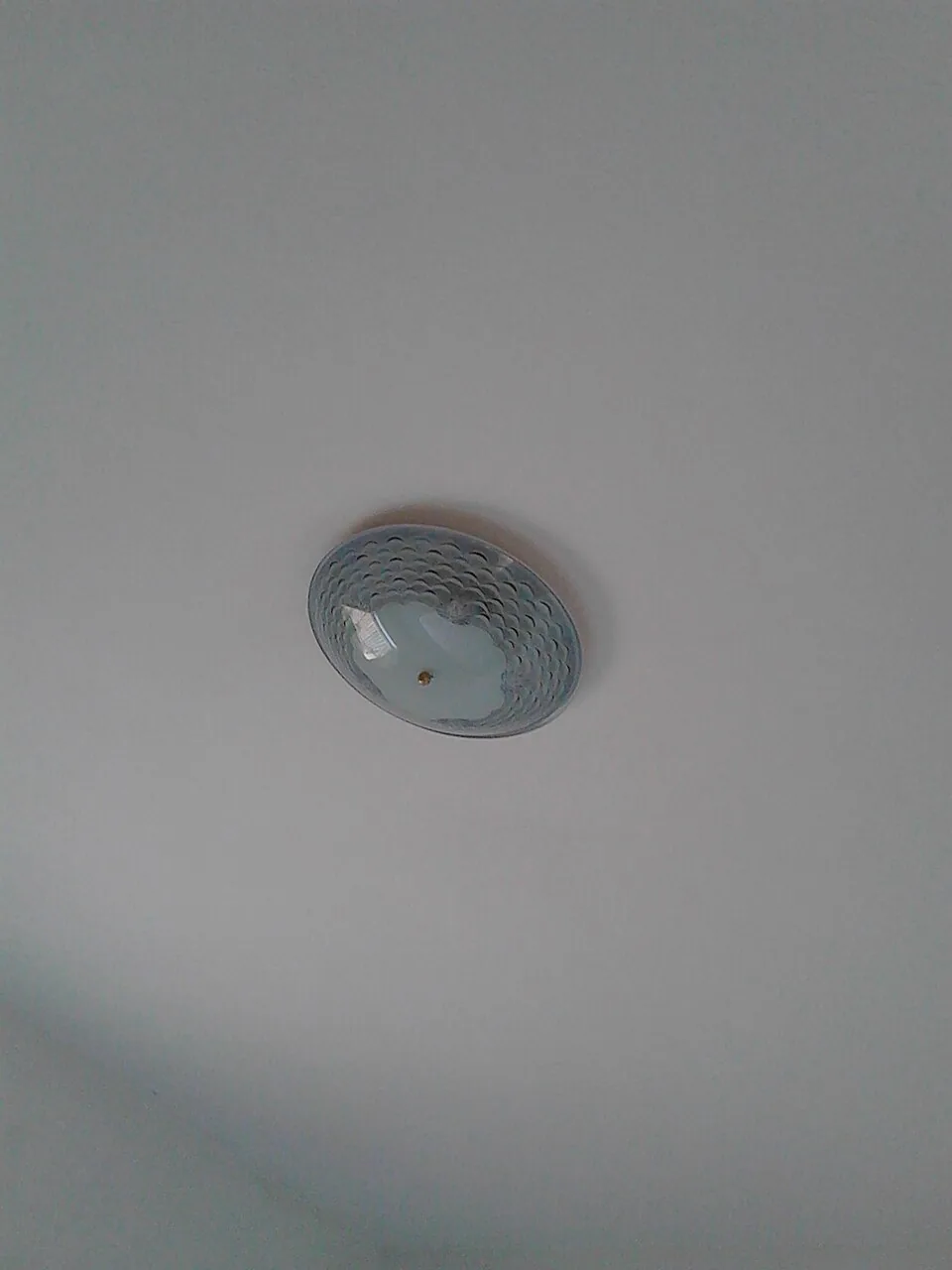
A flush mount fixture attaches directly to the ceiling, with a base plate against the surface and a shade or a drum that hangs a few inches below it, often 4 to 8 inches in total. It is the classic dome, drum or disc shape. The fixture is held by two screws or a center bolt, and the shade removes by twisting or unscrewing a finial, which gives access to the bulbs.
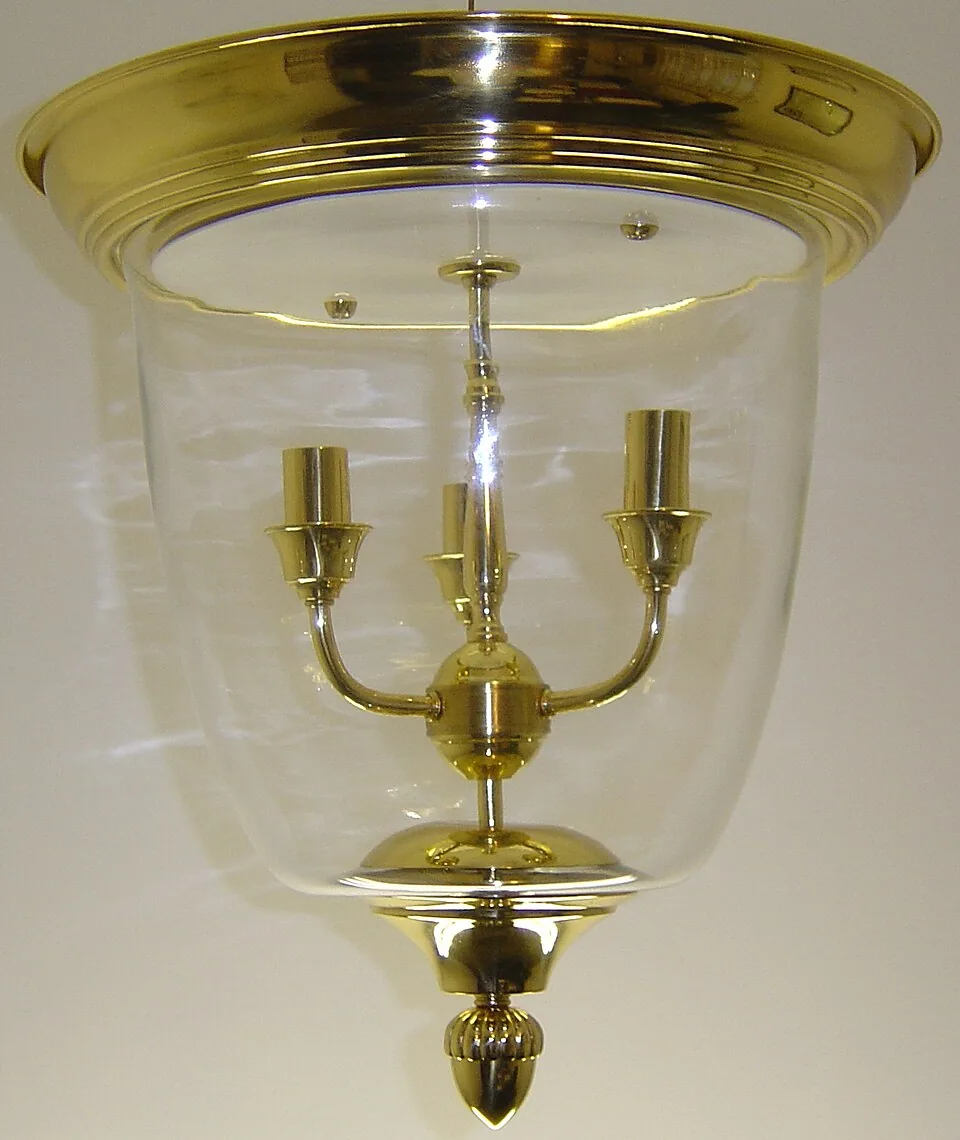
A semi flush fixture, sometimes called a close to ceiling light, drops on a short stem, rod or chain, with the shade or arms hanging 4 to 12 inches below the ceiling. It looks more like a chandelier or pendant in miniature, with visible arms, a glass bowl or a layered shade. The gap between ceiling and shade lets light spill upward as well as down, which changes the whole effect.
The terms are used loosely, and some retailers list a fixture as flush mount when its shade hangs well below the ceiling. Look at the overall drop, called the height or drop in the listing, and not the name. A fixture with a drop of 6 inches or less behaves as a flush mount, while a fixture with a drop above 8 inches behaves as a semi flush.
| Ceiling height | Suggested type | Typical drop | Why |
|---|---|---|---|
| Under 8 feet | Flush mount | Up to about 6 inches | Keeps the lowest point above 7 feet |
| 8 feet | Flush mount or a shallow semi flush | 6 to 8 inches | Balance of clearance and style |
| 9 feet | Semi flush | 8 to 12 inches | Fills the space, spreads light |
| 10 feet and above | Semi flush, pendant or chandelier | 12 inches or more | A flush fixture looks lost |
Ceiling height decides most of it
The lowest point of the fixture should clear 7 feet in a walking area, so an 8 foot ceiling leaves about 12 inches of room for the fixture and the head clearance. A flush mount with a drop of 5 inches leaves comfortable clearance. A semi flush with a drop of 10 inches would hang at 7 feet 2 inches, which is acceptable in a seating area but marginal in a doorway or a hall. If anyone in the household is tall, choose the flush mount.
At 9 feet and above, a flush mount can look like it is hugging the ceiling, with the light stuck on the surface and little drama. A semi flush lowers the visual center of the fixture toward the room, which balances the vertical space. The proportion rules in our guide to how high to hang a light apply, and a general idea is that the fixture should occupy roughly one fifth to one quarter of the room's height.
Check for local obstacles as well. A ceiling fan, a smoke detector, a sprinkler head or a beam can limit the choice, and a fixture with a wide diameter might touch a sloped section. A sloped ceiling needs an adapter, and a semi flush on a stem hangs level, which is easier on a slope than a flush base. Measure the fixture's width, not only its drop, before you order.
How the light spreads
A flush mount with a closed shade sends light down and sideways through the shade, and almost none upward, because the base is against the ceiling. The ceiling above it stays dark, and the fixture makes a bright disc with a clear edge. In a small room this is perfectly good, but in a larger room it can feel flat, with a pool of light in the center and darker corners.
A semi flush fixture with an open or translucent shade sends light up as well as down. The part that goes up bounces off the ceiling and fills the room with soft ambient light, which reduces contrast and eases the corners. That is a real advantage where the fixture is the main source, and it explains why semi flush designs often feel brighter at the same lumen output.
The shade material matters as much as the shape. Opaque metal shades push light down and outward in a controlled way, and frosted glass or fabric diffuses it. A clear glass shade with a visible bulb can cause glare for people sitting beneath. The amount of light you need is covered in our guide to how many lumens a living room needs, and a ceiling fixture alone seldom provides all of it.
Cleaning, bugs and bulb changes
Flush mount fixtures with enclosed bowls collect dust, dead insects and a yellowish film inside, because there is no airflow through them. The bowl needs to be taken down every few months, washed with warm soapy water and dried before it is refitted. Some designs are fixed with three or four small screws, which makes this annoying, so look for a model that uses a twist or a single finial.
Semi flush fixtures with open arms and exposed bulbs are easier to dust and do not trap insects, but their shades or glass pieces need wiping, and bulbs sit within reach. If the fixture hangs on a chain, you can usually lower it a little to reach, but taking it down may require a helper and a stepladder.
Heat is the last point. An enclosed flush mount holds heat from the bulbs, and LEDs not rated for enclosed fixtures will fail early. Use bulbs labelled for enclosed fixtures, or choose a fixture with an integrated LED board that is designed for its housing. An integrated LED is neat and cool, but when the driver fails the whole fixture has to be replaced, so check the warranty length before buying.
Problems people notice after installing
The first is a shadow ring. A flush mount with an opaque rim and a translucent center can leave a visible darker ring on the ceiling around the base, because no light reaches it. If the ceiling is dark or glossy the ring is obvious. A semi flush fixture avoids this by letting some light travel upward, and a flush mount with a diffused edge reduces it.
The second is a fixture that looks too small once it is up. Fixtures are judged against the whole room, and a 12 inch disc that seemed fine in a photo looks like a coaster on a 12 by 15 foot ceiling. Measure the width, tape a paper circle of that size to the ceiling and look at it from the sofa before you order. Our chandelier size guide gives a diameter rule that also works for semi flush lights.
The third is color mismatch. Integrated LED fixtures are fixed at one color temperature, often 3000K or 4000K, and 4000K looks cold next to warm lamps. Choose one that matches the lamps in the room, or a model with selectable color temperature, so you can set it once at installation.
Fans, alcoves and awkward ceilings
Where a ceiling fan already occupies the center, a flush mount is rarely an option for the main light, but a fan with an integrated light kit solves it. If you want a decorative fixture in addition to a fan, place it over the seating group and keep it clear of the blades. The fan guidance in our research on ceiling fans notes that blades should stay at least 7 feet above the floor, and the same height rule applies to any fixture.
Alcoves, bay windows and sloped ceilings need extra thought. A semi flush light on a stem works in an alcove that is deeper than a flush base, and a slim flush mount is the neat answer under a beam or a bulkhead. For a vaulted ceiling, use a slope adapter and a stem long enough to bring the fixture down to the usual height of about 7 feet 6 inches at its lowest point.
If you are unhappy with a ceiling that has no box at all, a plug-in swag fixture or a track can bring light to the room without wiring, as covered in our guide to lighting a living room without overhead lighting. Those are renter friendly ways to avoid the question entirely.
Style and visual weight
Flush mounts tend to read as functional, and they suit modern and minimal rooms where the ceiling should stay quiet. A thin disc or a shallow drum disappears, which is exactly the point in a small living room. A semi flush fixture reads as decor, and a good one gives a room a focal point without the commitment of a chandelier.
Match the scale to the room. A fixture about one third to one half the width of the seating group or the room's short dimension looks proportionate, and the rule for larger fixtures is in our chandelier size guide. A tiny fixture on a large ceiling looks like an afterthought, and a very large one in a low room feels heavy.
Finish should follow the room. Brass and black metal suit most schemes, while white and frosted glass suit light, airy rooms. If a ceiling fan is nearby, align the fixture finishes with the fan so the ceiling does not carry competing styles.
Installing and replacing
Both types mount to the same standard ceiling box, so replacing one with the other is usually simple. Turn off the circuit at the breaker, confirm with a tester, support the fixture while you connect the wires and fasten the base. A semi flush on a stem needs more care, because the stem has to be threaded and hung straight. A helper makes both jobs easier.
Check the ceiling box's rating. A heavier semi flush with a glass bowl or several arms may be near the limit for a light box, which is often rated for about 50 pounds when it is properly secured. A box in poor condition, or fixed to drywall only, needs repair before a heavy fixture goes up. If the wiring is old, brittle or aluminum, call an electrician.
If you rent, look at the existing fixture, since swapping a ceiling light is often considered an alteration. Some landlords allow it with a note and a promise to restore the original. Keep the old fixture, in its box, so it can go back when you leave.
A final consideration is future flexibility. If you think you may want to change the fixture later, choose one that uses standard screw in bulbs, so a style change needs only a new shade. Keep the box accessible, avoid gluing or caulking the base to the ceiling, and note the weight of the fixture on the box label. Small habits like these turn a future swap into a ten minute job and keep the ceiling from becoming a repair project every time your taste changes.
Frequently asked questions
Can I use a semi flush in a room with an 8 foot ceiling?
Yes, if the drop is short, about 6 to 8 inches, and nobody walks directly beneath it. The lowest point should stay above 7 feet. In a hallway or a doorway, a flush mount is the safer choice.
Which gives more light, flush or semi flush?
The lumens are set by the bulbs, not the type. A semi flush often looks brighter, because it bounces light off the ceiling, while a flush mount focuses light below. Choose by the lumen figure and by how you want the light to fall.
Are flush mount lights out of style?
No. Slim, modern designs in black, brass or frosted glass are widely used. What looks dated is the large yellowed dome with a dark ring of dead insects, and a clean replacement fixes that.
Do I need a dimmer?
It is worth fitting one, since a ceiling light at full brightness can be harsh in the evening. Check that the fixture and bulbs are dimmable, and follow the advice in our guide to dimmer switch types.
Can a flush mount hang over a sofa?
Yes. It sits out of the way and gives ambient light, but you will want lamps for reading. Use the ceiling light as the base layer, as explained in layered lighting for a living room.
The bottom line
Under 8 feet, or in any place people walk beneath, choose a flush mount. At 9 feet or more, choose a semi flush for better proportion and softer light. At 8 feet, either works if the drop is short and the lowest point clears 7 feet.
Pick a fixture designed for enclosed bulbs or with a warranty for its LED board, choose a shade you can remove for cleaning and put the fixture on a dimmer. Then add lamps for reading, because no ceiling fixture is a complete lighting plan.