
Amazon affiliate links - we earn a commission.Affiliate disclosure

Buying guide · 12 min read · Updated 2026-11-21

Best Center Channel Speakers (2026)

Six center channel speakers compared by driver layout, size, tweeter type and fit under a TV, for clearer dialogue in a living room home theater.

Elena Hart, Lead Home EditorBy Elena HartLead Home Editor6 picks comparedSpec-sheet verified
Best Center Channel Speakers

At a glance

Our top picks

Side by side

Spec comparison

The center channel speaker sits above or below the TV and carries most of a film's dialogue, along with anything that is panned to the middle of the screen. In a surround system it does more work than any other speaker, which is why a weak center can ruin an otherwise good setup.

The details that matter are how well the center matches the left and right speakers, how big it is relative to the shelf under the TV, and how the tweeter behaves in a small room. Power ratings and marketing names matter far less than a clean mid range and a good fit. We compare published specifications in this guide, so measure your shelf before ordering.

Before you buy

6 Criteria to Look For Before Buying a Center Channel Speaker

  1. 01

    Match to left and right

    A center should share a tweeter and tonal balance with the front pair. Mixing a Klipsch center with Polk towers can leave voices sounding different as they pan across the screen. Prefer one brand and series, as with the Klipsch R-52C and R series towers. If you have mismatched front speakers, a center from the brand of the lowest tier left and right speaker usually blends better than a more expensive one from another brand. Timbre matching is audible when a character walks across the screen and the voice changes character, which is the clearest sign of a mismatched center.

  2. 02

    Size and shelf fit

    Centers are 14 to 28 inches wide, 5 to 8 inches tall and 8 to 12 inches deep. Measure the shelf and the TV's sensor. A slim center such as the Polk XT35 fits a low stand, and a larger center may not. Remember that the TV's own feet or a soundbar notch may limit height, and that a deep cabinet can poke over a narrow shelf.

  3. 03

    Driver layout

    Dual woofers around a central tweeter, as on the Klipsch R-52C and Polk T30, keep dialogue consistent as you move. Single woofer centers are smaller but less powerful. A horn tweeter is efficient but can sound bright. A center with two woofers can also handle more dialogue energy at a given volume, which is why many systems pair one with a pair of towers.

  4. 04

    Power and impedance

    Check the speaker's nominal impedance, usually 4 to 8 ohms, and make sure your receiver can drive it. Power handling figures are ceilings, not loudness promises. If a receiver is rated for eight ohms only, choose a speaker whose impedance does not dip far below that, since low dips can make the receiver run hot.

  5. 05

    Placement and angle

    Place the center directly above or below the screen, as close to ear height as the TV allows, and angle it toward the seating. Shelves that are too deep push the speaker too far back. If the center must sit low, tilt it with a small wedge so the tweeter aims upward.

  6. 06

    Room acoustics

    Hard floors and bare walls reflect sound and make horn tweeters sound harsh. A rug and curtains help more than a pricier speaker. Soft furnishings such as a thick rug, drapes and upholstered seating tame harsh reflections and make dialogue easier to understand at lower volumes. Many owners find that a rug under the front speakers and a heavy curtain at the side walls make a bigger difference than a speaker upgrade.

Detailed reviews

The 6 best center channel speakers, explained

01
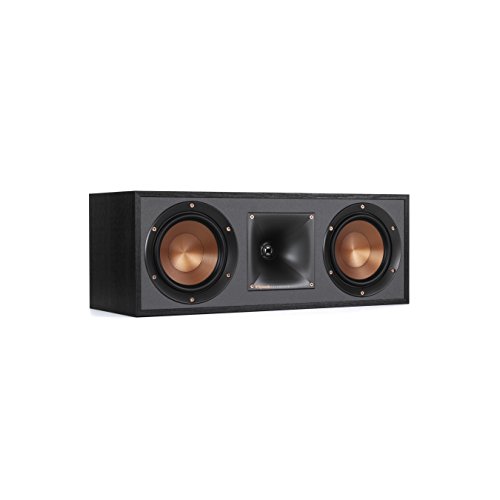
Klipsch R-52C Center Channel with Dual 5.25 in Woofers
Dual 5.25 in IMG woofers1 in aluminum tweeter90 x 90 Tractrix hornReference series
Check price on Amazon
Best for: Living rooms that want clear dialogue from a matched Klipsch system.

The Klipsch R-52C has dual 5.25 inch spun copper woofers on either side of a 1 inch aluminum tweeter with a square Tractrix horn. The layout puts the tweeter between the woofers, which keeps the sound consistent as you move around the room.

Horn loaded tweeters give efficient, clear dialogue, which suits films and TV shows. In a small or bare room the same horn can sound bright, so a rug and curtains help. Compared with the Polk T30, the R-52C is more refined and a little more expensive. The listing is for a single center, so you will need left and right speakers and a receiver. Matching it with a Klipsch left and right keeps the sound consistent.

Before buying, measure the shelf: a center channel of this class is wide and deep, and it must not block the TV's sensor. Place it directly above or below the screen at ear height and angle it slightly toward the seating. When you set up the receiver, choose the small speaker setting and a crossover near 80 hertz, so the subwoofer takes the deepest bass and the center concentrates on the voice range, where its horn tweeter excels.

What works

  • Dual 5.25 inch woofers give weight to voices
  • Horn loaded tweeter gives clear, efficient sound
  • Tweeter between the woofers keeps sound consistent
  • Matches Klipsch Reference left and right speakers

Watch out for

  • Horn tweeter can sound bright in a bare room
  • Wide cabinet needs a deep, wide shelf
  • Needs a receiver and matching front speakers

Specs

Woofers
Dual 5.25 in spun copper IMG
Tweeter
1 in aluminum LTS
Horn
90 x 90 degree square Tractrix
Role
Center channel
Series
Reference
02
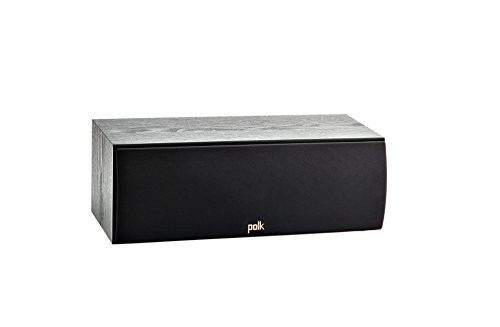
Polk Audio T30 Home Theater Center Channel Speaker 100W
Dual 5.25 in woofers1 in tweeter100 W handlingEntry level
Check price on Amazon
Best for: First time home theater builders matching Polk T series speakers.

The Polk T30 is the entry level center channel for the Polk T series, with dual 5.25 inch woofers, a 1 inch tweeter and a 100 watt power handling. It is aimed at a first home theater system and pairs with the T50 tower.

At this tier the cabinet is lighter and the finish is vinyl, which suits a living room that values price over looks. Power handling is a ceiling rather than a measure of loudness. Compared with the Klipsch R-52C, the T30 has a warmer, less bright character and costs about the same tier, so the choice depends on your left and right speakers.

Measure the shelf, place the speaker at ear height and connect it to a receiver. Use at least 16 gauge speaker wire. If your shelf is tight, check the depth as well as the width, since the T30 is a deep cabinet and may not leave room for cables behind it. A bit of isolation foam under the cabinet stops it from buzzing against a glass shelf.

What works

  • Dual 5.25 inch woofers give clear voices
  • Pairs with the Polk T50 tower
  • Low price tier for a brand name center
  • 100 watt handling suits entry level receivers

Watch out for

  • Lighter cabinet and vinyl finish
  • Less refined than higher series
  • Needs a receiver and matching left and right speakers

Specs

Woofers
Dual 5.25 in
Tweeter
1 in
Power handling
100 W
Role
Center channel
Series
T series
03
Polk Monitor XT35 Slim Center Channel Dolby Atmos DTS:X Compatible
Slim cabinetHi-res certifiedAtmos compatibleMonitor XT series
Check price on Amazon
Best for: TVs on low stands where a tall center would block the screen.

The Polk Monitor XT35 is a slim center that sits low under a TV and does not block the screen. It is hi-res audio certified and listed as compatible with Dolby Atmos and DTS:X soundtracks, though a center channel itself does not create height effects.

A slim cabinet fits TVs on low stands and shelves under 6 inches, and the trade-off is that a shallow cabinet has less internal volume and limited bass. Compared with the T30, the XT35 is the more modern design. It is best matched with the Polk XT60 or XT70 tower.

Measure the TV stand height and the speaker height, since a slim center only helps if it also clears the TV's base. Keep the front of the speaker clear of obstructions. Because the cabinet is shallow, it benefits from a subwoofer, and a soundbar like arrangement is not the goal here: its job is dialogue, so keep the volume sensible and let the sub handle bass. When you place it, keep it at least an inch back from the shelf edge to avoid reflections from the front lip.

What works

  • Slim cabinet fits under low TVs
  • Hi-res audio certification on the listing
  • Compatible with Atmos and DTS:X soundtracks
  • Matches Polk Monitor XT towers

Watch out for

  • Smaller cabinet gives less bass
  • Higher tier than the T30
  • Needs a receiver and matching front speakers

Specs

Design
Slim center channel
Audio
Hi-res certified
Formats
Dolby Atmos and DTS:X compatible
Role
Center channel
Series
Monitor XT
04
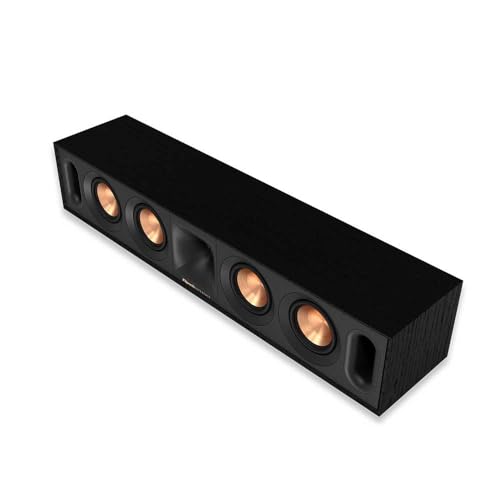
Klipsch Reference R-30C Horn-Loaded Center Channel Speaker
90 x 90 Tractrix hornLTS aluminum tweeterCompactReference series
Check price on Amazon
Best for: Listeners who like detailed dialogue and have a room with soft furnishings.

The R-30C is the smaller Klipsch center, with a 90 by 90 degree Tractrix horn and a linear travel suspension aluminum tweeter on a Kapton suspension. The horn is designed to keep the sound clean and natural.

It is higher in price than the R-52C, though the information we reviewed does not specify a larger driver array. The bigger horn gives clarity but can sound bright in a room with bare walls and hard floors. Compared with the R-52C, the R-30C is a newer series member and has a different look.

Place it above or below the TV and aim it toward the seating. A rug and curtains will tame the sound if it is too bright. If your TV is wall mounted, a horn center sitting on a low console below it should be tilted upward a few degrees so the tweeter aims at ear height rather than at your lap.

What works

  • Large Tractrix horn gives clear, natural dialogue
  • Aluminum tweeter with Kapton suspension reduces distortion
  • Matches Klipsch R series towers and bookshelf speakers
  • Compact for a Klipsch center

Watch out for

  • Highest price tier in the lineup
  • Can sound bright in a bare room
  • Needs a receiver and front speakers to match

Specs

Horn
90 x 90 degree Tractrix
Tweeter
Linear Travel Suspension aluminum
Suspension
Kapton
Role
Center channel
Series
Reference
05
Yamaha NS-C210 2-Way Bass-Reflex Center Channel Speaker
2-way bass reflex4 m cable includedBlackWarranty
Check price on Amazon
Best for: Yamaha receiver owners who want a simple, plug and play center.

The Yamaha NS-C210 is a two way bass reflex center with a 4 metre speaker cable in the box. It is described as designed to reproduce the full, dynamic sound of HD sources.

A bundled cable is useful and unusual, and Yamaha's receivers pair neatly with its speakers. The design is older, and the listing is brief about the drivers and size. Compared with the Polk T30, the Yamaha is plainer and cheaper to start with.

Connect it to your receiver, set the speaker size to small and the crossover at about 80 hertz. The receiver's auto calibration, if it has one, will set levels and distances, and a quick manual check with a movie scene full of speech confirms that voices sit naturally in the middle of the screen. Use the 4 metre cable only if the run is short, since an excess of coiled wire behind the stand adds clutter.

What works

  • Includes a 4 metre speaker cable
  • Pairs well with Yamaha receivers
  • Two way bass reflex design
  • Yamaha warranty support

Watch out for

  • Older design with sparse listing details
  • Plainer finish and sound than newer series
  • Needs a receiver and front speakers

Specs

Design
2-way bass reflex
Cable
4 m speaker cable included
Role
Center channel
Source
HD sources
Support
Yamaha warranty
06
Saiyin Passive Center Channel Speaker Silk-Dome Horn Tweeter 5 in
Two 5 in woofersSilk dome horn tweeterPassiveNo wire included
Check price on Amazon
Best for: Budget builds that need a center now and can upgrade later.

The Saiyin is a passive center with two 5 inch woofers and a silk dome horn tweeter. The listing is clear that it needs an amplifier or receiver and that speaker wire is not included.

It is one of the lowest priced centers here. A new brand brings less support and fewer reviews, but the layout is standard and sensible. Compared with the Polk T30, the Saiyin is cheaper and less proven.

Buy speaker wire separately, use 16 gauge and a receiver with a center channel output. Keep the box and receipt in case of faults. If voices sound thin, check that the polarity of the speaker wire matches at both ends, as reversed wiring is a common cause of a weak, hollow center.

What works

  • Lowest price tier in the lineup
  • Dual 5 inch woofers and a horn tweeter
  • Passive design works with any receiver
  • Simple layout suits a first system

Watch out for

  • Newer brand with limited support
  • Wire not included
  • Less refined than branded centers

Specs

Woofers
Two 5 in
Tweeter
Silk dome horn
Type
Passive
Needs
Amplifier or receiver
Wire
Not included

Spec decoder

What the listing measurements really mean

The numbers brands lead with, translated into what they tell you about fit, comfort and wear at home.

Tractrix horn

A horn shape that guides the tweeter's sound and boosts efficiency. The horn also narrows how the sound spreads, which can make it more directional than a dome tweeter.

Watch forKlipsch uses a 90 by 90 degree horn on the R-52C and R-30C.

Nominal impedance

The electrical load the speaker presents, usually 4 to 8 ohms. A mismatch between a speaker and receiver can lead to overheating, so match them.

Watch forCheck your receiver's supported range.

Power handling

The maximum power a speaker can accept, not its loudness. Real loudness depends on sensitivity and the amplifier, not on this number.

Watch forThe Polk T30 lists 100 watts.

Passive

A speaker with no built in amplifier. This also means the speaker has no power cable, which keeps the wiring simple.

Watch forAll lineup centers are passive and need a receiver.

Slim design

A low profile cabinet designed to fit below a TV. Slim cabinets often trade bass for fit, which is acceptable for a center.

Watch forThe Polk XT35 is the slim option.

Methodology

How We Evaluated These Center Channel Speakers

Match and layout

We compared driver layouts and series matching, using the Klipsch R-52C and R-30C as reference. We also considered how clearly each listing identifies the series that it matches.

Size and fit

We noted cabinet sizes and the slim design of the XT35. We do not test products, so we rely on published specifications.

Tweeter and tone

We weighed horn and dome tweeters against typical owner feedback on brightness. We noted whether a listing mentions any care for a room with hard surfaces.

Power and connections

We noted power handling, impedance and included cables, such as the Yamaha's 4 metre cable.

Room fit

We matched each center to a TV stand and a typical living room. We also checked the typical shelf depth and sensor position on a mainstream TV stand.

Decision guide

How to Choose the Right Center Channel Speakers

By TV Stand

SituationPickWhy
Low TV standPolk XT35 SlimSlim cabinet
Standard shelfKlipsch R-52CDual woofers
Wide shelfPolk T30Dual 5.25 inch woofers
Tight spaceKlipsch R-30CCompact horn center
Simple setupYamaha NS-C210Cable included

By Budget

SituationPickWhy
Lowest tierSaiyinLowest in the lineup
Low tierKlipsch R-52CDual woofers at a low tier
Low to middlePolk T30Entry brand name
Middle tierYamaha NS-C210Simple bass reflex
Higher tierPolk XT35 and Klipsch R-30CSlim or horn center

Horn vs Dome Tweeter

Horn

The Klipsch R-52C and R-30C are efficient and detailed, but can sound bright in a bare room.

Dome

The Polk and Saiyin centers sound smoother and warmer, with less detail at high volume.

Choose horn for detail, dome for a gentler sound. If your room is bare, pick dome or add soft furnishings before you choose horn.

By Matching Speakers

SituationPickWhy
Klipsch frontsR-52C or R-30CSame tweeter family
Polk T frontsT30Same series
Polk XT frontsXT35Same series
Yamaha receiverNS-C210Plug and play
Unmatched frontsSaiyinBudget placeholder

For Living Rooms Specifically

Look for

A cabinet that fits the shelf, a finish that blends in and a tweeter that is not harsh in your room.

In this comparison

The Klipsch R-52C and Polk XT35 suit living rooms best.

When to Spend More

Spend more if

You watch films often, want a matched system or need a slim cabinet.

Save if

You want a basic center for a first home theater.

Ownership

Maintenance schedule

The upkeep that decides whether a piece still looks good in year five.

TaskIntervalWhy it matters
Check wire connectionsEvery six monthsConnections loosen. A tight connection prevents buzz. Also check the polarity, since reversed wires thin the sound.
Dust grilleEvery two weeksDust dulls highs. A dry cloth is enough. A soft brush removes dust from the grille without pushing it into the cloth.
Check placementEvery six monthsVibration shifts speakers. Realign to the seating. If you move the TV or stand, recheck the angle of the center.
Check receiver settingsYearlyUpdates reset speaker size and crossover. Set small and 80 hertz.
Inspect woofersYearlySurrounds age. Cracks mean distortion.

FAQ

Frequently Asked Questions

Do I need a center channel speaker?

For a surround system, yes, because it carries most dialogue. If you use a soundbar or stereo pair, you may not need one. A good center also lets you keep the volume lower, because speech is clearer.

Should the center match the front speakers?

Ideally yes. Matching tweeters and tone keeps voices consistent across the screen. If you cannot match, choose a center with a similar tweeter type.

Where should I place a center channel?

Directly above or below the TV, at ear height if possible, aimed at the seating. If the TV is wall mounted, place the center on a console or wall bracket below the screen and tilt it up a few degrees.

Can a center channel fit under my TV?

Check the shelf height and depth. A slim center like the Polk XT35 suits low stands. Measure the opening in inches and compare it with the speaker's width, height and depth, leaving about an inch of air around it.

What size should I buy?

A larger center gives fuller voices if it fits. Measure before ordering. When in doubt, choose the larger center if it fits without blocking the screen.

How much should I spend?

A low tier center suits a first system. Spend more for a matched series or a slim cabinet.

Bottom line

The short version

Browse more center channel speakerson Amazon →
Elena Hart, Lead Home Editor

About the author

Elena Hart

Lead Home Editor, SweetLivingRoom

Elena Hart leads SweetLivingRoom's buying guides, turning product dimensions, material specs and owner feedback into clear verdicts on sofas, rugs, lighting, storage and decor.

More from Elena →

Keep reading

Related guides