Viscose rugs are easy to like in a photo. The surface has a luster that wool and polypropylene do not, the colors look saturated and the pile has a liquid softness that seems to belong to a much more expensive rug. They are also usually priced well below real silk, which is why they have become common in modern and glam rooms. What the photo does not show is how the fiber behaves in a living room after a few months of life.
This guide explains what viscose is, why it looks like silk, what it does well and where it fails, and how to decide whether a viscose rug suits your room, your household and your tolerance for care. It is based on how the fiber is made and on patterns in owner feedback, and it avoids brand claims. The conclusion is not that viscose is bad, but that it has a narrow range of good uses.
What viscose actually is
Viscose is a type of rayon, a man-made fiber produced from cellulose, the structural material of plants. Wood pulp is the usual source, and bamboo, cotton linters and other plant materials are also used. The cellulose is dissolved with chemicals, then extruded through fine holes into a bath that solidifies it into continuous filaments. This is a regenerated fiber: it begins as a natural material but is chemically reconstituted into a new form, so it is neither purely natural nor purely synthetic.
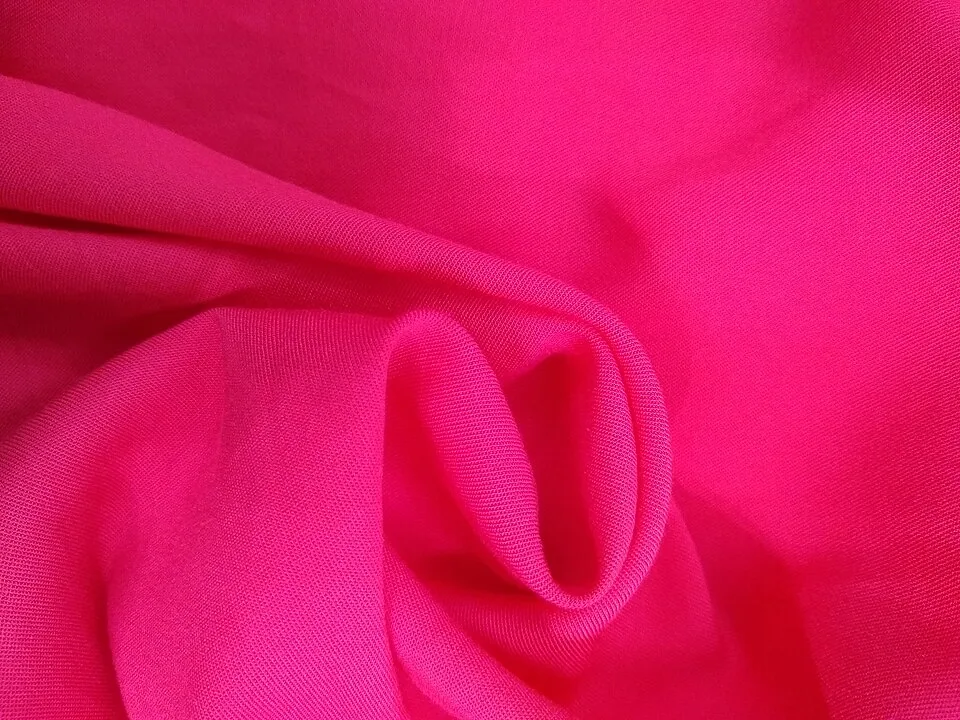
The filaments that result are smooth and uniform, and they reflect light in a way that creates the sheen. That is why viscose is sold under names such as art silk, artificial silk, faux silk and bamboo silk. Be careful with the last of these. A rug sold as bamboo silk is viscose, and the bamboo refers to the source of the cellulose, not to bamboo fibers in the rug. The finished fiber has the same properties regardless of the plant it came from.
Because the fiber is smooth and continuous, it takes dye very well, which gives the rich, bright colors that viscose rugs are known for. It is also cool to the touch and drapes softly. In a rug, it is usually used as a cut pile, often blended with wool, cotton or polyester, or as an accent in a pattern, to add highlights.
What viscose does well
The first advantage is appearance. Nothing else at its price comes close to the sheen and depth of color of viscose, and it can make a modest room look richer. In low light the pile shimmers as it catches the light, and the effect changes with the angle, which suits a bedroom or a formal sitting room. The fiber also holds intricate patterns and fine detail well.
The second is softness. A viscose pile feels smooth, cool and fluid underfoot, and it is comfortable for bare feet. In a space where nobody wears shoes and nobody eats, it feels luxurious. The third is price. It is a fraction of the cost of silk for a similar look, and many viscose rugs are offered at prices that are attractive compared with wool of similar density.
A fourth advantage is that viscose is not petroleum-based, which some buyers prefer, though the manufacturing process uses chemicals and the environmental profile varies by producer. There is no simple claim to make about sustainability, and a listing that says eco-friendly because the source is plant-based should be read with caution.
The main weakness: water
Viscose is weaker when wet. The cellulose fibers absorb water readily and lose a large portion of their strength when saturated, so a wet viscose rug can stretch, distort or tear if it is rubbed or pulled. This is the key difference from polyester or polypropylene, which are hydrophobic and unaffected by water, and from wool, which also absorbs water but keeps its strength.
The second problem is staining. A spill of water or a drink can leave a ring or a dark patch that does not disappear on drying. As the wet area dries, dissolved soil and dyes migrate to the edge of the damp zone and form a ring, and cellulose fibers can turn yellow or brown where they stay wet for a long time. This yellowing is often permanent. Cleaning with water, even a small amount, can leave a mark larger than the original stain.
For this reason, the usual advice to clean a spill with a damp cloth does not apply to viscose. Blot a spill with a dry cloth, pressing and lifting, and do not rub. Use as little moisture as possible, and if a stain remains, consult a professional who works with viscose. Many cleaning guides recommend dry cleaning methods, such as a dry powder or a solvent, which should be done by someone experienced. Our guide to cleaning an area rug at home explains why the fiber matters.
Crushing, shedding and wear
Viscose fibers have little resilience, which is the ability to spring back after being pressed. Wool has a natural crimp that returns it to shape, and polypropylene is stiff and springy. Viscose lies down where it is pressed and stays down. Footprints, furniture legs and the path to the door show up as flattened, dull streaks, and the area can look darker or lighter than the rest because the pile reflects light differently. Our guide to getting dents out of a rug describes what can and cannot be reversed, and with viscose, the recovery is limited.
Shedding is also common. Viscose pile is often cut and loosely held, and a new rug releases fibers for months, which can be fine, slippery strands that cling to clothing and vacuums. Over time, the pile can thin in traffic areas, and the loss is permanent. The fibers are also weaker in tension, so a vacuum with a beater bar can pull them out, and a snag can create a bare patch.
Abrasion is another weakness. The smooth fiber wears down in traffic and loses its luster, and the surface becomes dull and matted. A viscose rug that sits in a bedroom may last for years, but in a hallway it may look worn within a season. Fiber blends improve the picture a little: a rug that is mostly wool with viscose highlights wears better than one that is mostly viscose, and a blend with polyester adds strength.
| Property | Viscose | Wool | Polypropylene |
|---|---|---|---|
| Sheen | High, silk-like | Low to medium | Low, can look plastic |
| Strength when wet | Poor | Good | Unaffected |
| Stain behavior | Stains and rings easily | Resists many stains | Resists most water stains |
| Crush recovery | Poor | Good | Fair |
| Shedding | Common, fine fibers | Common at first | Low |
| Traffic suitability | Low | High | High |
| Cleaning at home | Difficult, avoid water | Moderate | Easy |
Sun, light and humidity
Viscose takes dye well but is not especially lightfast, and direct sun can fade it and weaken the fiber over time. The sheen also changes with light, so a rug that looks rich in a dim room may look flat in strong sun. If the rug will sit near a window, use curtains or UV film, and rotate it.
Humidity matters as well. In a damp room, cellulose absorbs moisture from the air and can develop a musty smell or mildew if it stays damp, and the pile can feel limp. Do not use viscose in a bathroom, a basement, a laundry or an entryway where wet shoes are common. A rug pad that does not trap moisture helps, but the main rule is to keep the rug dry. Our guide to rug pads covers the types.
On the other hand, viscose is fairly resistant to heat in normal domestic use and does not melt like polyester, though high heat can scorch it. Keep it away from open flames and radiant heat sources.
Where a viscose rug works
A viscose rug is a good fit for a bedroom, particularly beside the bed where it is stepped on barefoot, a formal living room that is used for sitting and conversation, or a home with no children or pets and a no-shoes habit. In those places, its main weaknesses, water, soil and crushing, are mostly absent, and its main strengths, sheen and softness, are fully visible.
It also works as an accent. A small viscose rug under a chair or in a reading corner, or a viscose-and-wool blend in the main seating area, brings in the sheen without exposing the entire room to risk. A pattern in which viscose provides highlights against a wool or cotton field gives some of the effect with more durability.
Place it away from the traffic path, and keep furniture on top of it to a minimum, since heavy legs leave permanent dents. If you must put furniture on it, use wide, flat furniture cups, and move them occasionally.
Where it fails
Avoid viscose in an entryway, a hallway, a kitchen, a dining room, a family room or a home with pets or young children. Accidents are likely and the fiber does not forgive them: a drink or a pet accident can leave a permanent stain, and a heavily used path flattens within weeks. A viscose rug under a dining table is a common and expensive mistake.
Households that eat or drink in the living room, or where people wear outdoor shoes, will find the rug marked and dull. People with allergies or sensitivities may be bothered by the shed fibers. A robot vacuum with a rotating brush can damage the pile, so use suction only or avoid the rug. Our guide to wool versus polypropylene rugs describes materials that are better suited to heavy use.
If you love the look but have a busy household, consider alternatives. A tight-pile polyester or polypropylene rug with a high-sheen finish, a wool rug with a silk-like wash or a rug with a small proportion of viscose highlights gives some of the effect with fewer risks. A genuine silk rug has the same water sensitivity, so it is not a safer option.
Buying and care checklist
Read the fiber content. A rug that is a high percentage viscose, 70 percent or more, is the most sensitive, and a blend with wool or polyester is more forgiving. Check the construction: a dense, hand-knotted or hand-loomed viscose rug is stronger than a thin, sparse machine-made one. Look at the backing and the edges, and ask how the rug is meant to be cleaned, since a seller who recommends professional dry cleaning only is telling you something.
For care, vacuum gently with suction only, in the direction of the pile, and avoid a beater bar. Blot spills at once with a dry cloth. Do not use a steam cleaner. Rotate the rug a few times a year, and keep it out of direct sun. Brush the pile with a soft brush to restore the sheen in crushed areas, though the effect may be limited.
Finally, accept the lifespan. A viscose rug in a low-traffic bedroom can look good for many years, but the same rug in a living room with a family might look tired in one. Choose with that in mind, and treat it as a decorative piece, not as a floor covering to be used hard.
One last thing to check is the pile direction. Viscose pile reflects light differently depending on which way the fibers lean, so a rug can look light from one end of the room and dark from the other. This shading is normal and sometimes called a shadow effect, but it surprises people who see the rug first in a photograph taken from a single angle. If you want a uniform look, place the rug with the pile leaning away from the main viewing direction, and brush it the same way each time you clean. Do not mistake the effect for a stain or a defect when you unroll a new rug.
Frequently asked questions
Is viscose the same as silk?
No. Silk is a natural protein fiber produced by silkworms. Viscose is a cellulose fiber made from plant material and regenerated chemically. It looks similar, but it is cheaper and has different properties, especially its weakness when wet.
Can you clean a viscose rug with water?
Avoid it. Water can leave rings, cause yellowing and weaken the fibers. Blot spills with a dry cloth and consult a professional for stains. If you must use a damp cloth, use as little water as you can and dry quickly.
Why does my viscose rug look dull in some areas?
The pile has been crushed, so it reflects light differently. Viscose does not recover well, and brushing may help a little. Rotating the rug and keeping furniture off it reduces the problem.
Is a viscose rug bad for pets?
It is a poor choice for most pets. Urine and vomit stain and weaken the fibers, claws can pull the pile and the shed fibers can be ingested. If you have pets, choose a rug in a tougher fiber.
Is bamboo silk a better rug fiber?
No. Bamboo silk is a marketing name for viscose made from bamboo cellulose. It has the same properties as other viscose: sheen, softness and sensitivity to water.
Bottom line
A viscose rug gives you the look of silk for a fraction of the price, and in return it asks you to keep it dry, clean, lightly used and out of the way of furniture. In a bedroom or a formal room, with adults who take their shoes off, it can be beautiful and last a long time.
In a busy living area, an entry or a home with pets or children, choose wool, polypropylene or polyester, and use viscose only as an accent. Read the fiber content, ask how the rug is cleaned and buy it for the room it will live in, not for the room in the photo.