
Amazon affiliate links - we earn a commission.Affiliate disclosure

Buying guide · 12 min read · Updated 2026-11-21

Best Home Theater Systems (2026)

Seven home theater and surround sound systems compared on channels, Dolby Atmos, receivers, subwoofers and setup effort, with honest tradeoffs for living rooms.

Elena Hart, Lead Home EditorBy Elena HartLead Home Editor6 picks comparedSpec-sheet verified
Best Home Theater Systems

At a glance

Our top picks

Side by side

Spec comparison

PieceChannelsCost tierPowerFormatSubwoofer
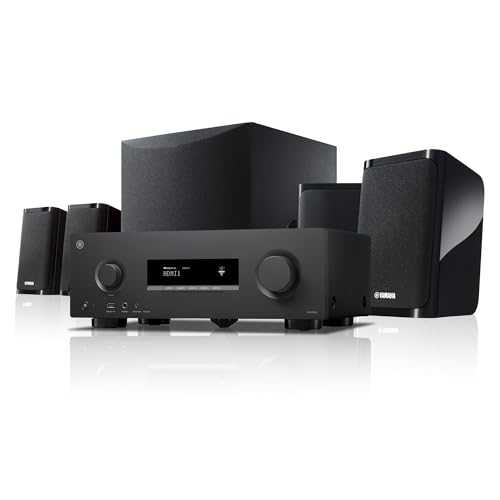
Yamaha YHT-4970U 5.1 Channel Home Theater System with Dolby Atmos ReceiverBest OverallYamaha YHT-4970U 5.1 Channel Home Theater System with Dolby Atmos Receiver5.1 with five speakers and a powered subwooferHighest of the groupn/an/an/a
Sony HT-S40R 5.1 Channel Soundbar System with Rear Speakers, 600WBest Value SurroundSony HT-S40R 5.1 Channel Soundbar System with Rear Speakers, 600W5.1 with real rear speakersMiddle of the group600W rated outputSoundbar with subwoofern/a
ULTIMEA Poseidon D80 7.1 Channel Dolby Atmos Soundbar with 6.5 Inch SubwooferBest Atmos Soundbar SystemULTIMEA Poseidon D80 7.1 Channel Dolby Atmos Soundbar with 6.5 Inch Subwoofer7.1 with rear and front-firing speakersn/a460W peak ratingDolby Atmos6.5 in
ULTIMEA Aura A60 Pro 7.1 Channel Dolby Atmos System with 5.25 Inch SubwooferBest Compact Atmos ValueULTIMEA Aura A60 Pro 7.1 Channel Dolby Atmos System with 5.25 Inch Subwoofer7.1 with 3 main channels and surroundsLow end of the groupn/aDolby Atmos5.25 in
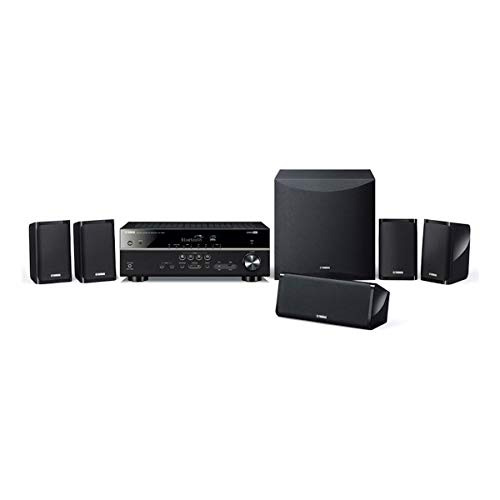
Yamaha YHT-4950U 4K 5.1 Channel Home Theater System with BluetoothBest Traditional Receiver ValueYamaha YHT-4950U 4K 5.1 Channel Home Theater System with Bluetoothn/an/an/an/an/a
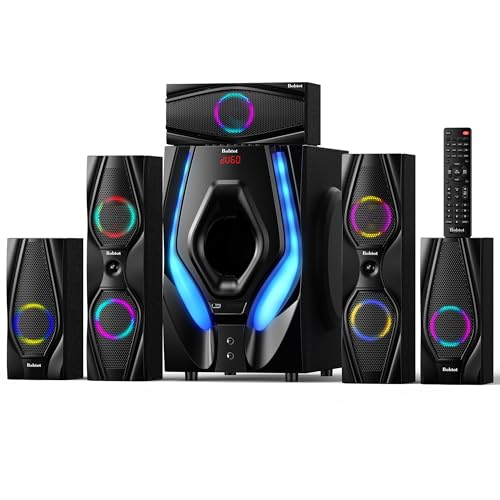
Bobtot 5.1 Home Theater System with 10 Inch Subwoofer and LED LightsBest Bass for the CostBobtot 5.1 Home Theater System with 10 Inch Subwoofer and LED Lightsn/an/a1200W peak ratingn/a10 in

A home theater system gives a living room the width and impact a TV speaker cannot, either with a receiver and separate speakers or with a soundbar plus rear speakers and a subwoofer. The difference shows up most in dialogue clarity, bass and the sense that sound moves around you.

The decision is between simple all-in-one bars and more traditional receiver systems, with price, setup effort and room size pulling in different directions. This guide compares channel layout, Atmos support, wiring and the real limits of each system so you can match one to your space.

Before you buy

6 Criteria to Look For Before Buying a Home Theater System

  1. 01

    Channel layout and real surround

    Channel notation lists main speakers first, then the subwoofer, then height speakers. A 5.1 system has five speakers and one sub, while 7.1 adds two more channels. Real rear speakers, as on the Sony HT-S40R and Yamaha systems, create genuine surround, while virtual processing only widens the front. Count physical speakers, not marketing channel numbers.

  2. 02

    Dolby Atmos and ceiling height

    Atmos height effects depend on a flat ceiling of roughly 8 to 10 feet to bounce sound or on in-ceiling speakers. The ULTIMEA systems and the YHT-4970U support Atmos, but soundbar versions only virtualize the effect. Vaulted ceilings weaken the result. Do not pay extra for Atmos unless your room and your content use it.

  3. 03

    Receiver versus soundbar

    A receiver system, like the Yamaha packages, uses separate speakers and offers upgrades, but needs wiring and shelf space. A soundbar system trades that for simplicity. The receiver route suits dedicated rooms, while the bar route suits living rooms where the equipment must stay discreet. Choose based on how much wiring you can accept.

  4. 04

    Subwoofer size and placement

    A larger subwoofer reaches lower frequencies and moves more air. The 10 inch Bobtot outclasses the 5.25 inch Aura A60 Pro in raw bass, but a big sub can annoy neighbors. Place a sub near a wall for more output and away from rattling cabinets. A small apartment may prefer a modest sub.

  5. 05

    HDMI, eARC and compatibility

    HDMI eARC carries uncompressed and Atmos audio from the TV, while plain ARC carries compressed formats. Receivers like the YHT-4970U pass 4K at 120 Hz and 8K at 60 Hz, which matters for new consoles. Check that your TV has an eARC port and that cables are high speed rated. Many buyers plug into the wrong port.

  6. 06

    Setup effort and wiring

    Rear speakers need power or wire, and receivers need speaker cable runs. Plan the cable paths before buying, and expect to spend an hour on a bar system and several hours on a receiver. A system that is too complex goes unused. Choose a setup you will actually finish.

Detailed reviews

The 6 best home theater systems, explained

01
Yamaha YHT-4970U 5.1 Channel Home Theater System with Dolby Atmos Receiver
5.1 channelsDolby Atmos receiver4K120 and 8K60Powered subwoofer
Check price on Amazon
Best for: Living rooms with a dedicated seating area that want real surround, Atmos and room to upgrade.

Yamaha's YHT-4970U is a complete package with a Dolby Atmos AV receiver, five speakers and a powered subwoofer, and it supports 4K at 120 Hz and 8K at 60 Hz video. Because the speakers are separate from the receiver, you can place each where it works best and replace or upgrade parts later. Dolby Atmos and DTS Virtual:X add height effects through virtualization when you do not have ceiling speakers.

The tradeoff is installation. A receiver system needs speaker wire, a stand or shelf for the receiver and enough room for rear speakers, so it suits a living room with a defined seating spot, not a cramped bedroom. It sits in the highest cost tier here, and compared with the Yamaha YHT-4950U it adds Atmos and newer video support, which only matters if your TV and sources use them.

Plan on an afternoon for setup. Run speaker wire along baseboards or under rugs, place the front three speakers at ear height and put the rear pair slightly behind the listening seat. Use the TV port marked eARC if available, and run the setup microphone calibration if the receiver offers it. Leave several inches of ventilation around the receiver.

What works

  • A Dolby Atmos receiver gives the most modern format support of the lineup
  • Separate speakers can be placed and upgraded individually over time
  • 4K120 and 8K60 passthrough supports new consoles and TVs
  • A powered subwoofer provides real low bass that bars struggle to match

Watch out for

  • Needs speaker wiring and a receiver shelf, so setup is more involved
  • Highest cost tier of the group

Specs

Channels
5.1 with five speakers and a powered subwoofer
Receiver
Dolby Atmos AV receiver
Video
4K at 120 Hz and 8K at 60 Hz passthrough
Audio formats
Dolby Atmos and DTS Virtual:X
Cost tier
Highest of the group
02
Sony HT-S40R 5.1 Channel Soundbar System with Rear Speakers, 600W
5.1 channels600W outputRear speakersSoundbar and sub
Check price on Amazon
Best for: Buyers who want real rear speakers without a full receiver setup.

Sony's HT-S40R is a soundbar system with a subwoofer and two real rear speakers, rated at 600 watts and sold as 5.1 channel surround. A soundbar with real rear speakers produces more convincing side and rear sound than virtual surround, because the speakers are physically behind you. It sits near the middle of the cost range.

The tradeoff is that rear speakers need power and placement. The rears must sit behind the seating area, either on shelves or wall mounts, and cables or power adapters may need to cross the room. The wattage number is a marketing rating and does not predict loudness across brands. Compared with the ULTIMEA Atmos systems, the Sony is simpler and does not claim height effects, so it suits buyers who value straightforward surround.

Setup takes about an hour. Place the bar below the TV without covering the remote sensor, set the subwoofer near a wall for more bass and place the rear speakers at ear height or slightly above. Use the HDMI ARC port on the TV, and enable the TV's external speaker setting. Dust the speakers with a dry cloth.

What works

  • Two real rear speakers give true surround in place of virtual effects
  • A soundbar and subwoofer sit under the TV with minimal front-room wiring
  • A dedicated 5.1 layout suits movies and sports without a receiver
  • Mid-range cost tier is lower than the receiver-based systems

Watch out for

  • Rear speakers still need power and placement behind the seat
  • No Dolby Atmos height effects

Specs

Channels
5.1 with real rear speakers
Power
600W rated output
Format
Soundbar with subwoofer
Rear
Two surround speakers
Cost tier
Middle of the group
03
ULTIMEA Poseidon D80 7.1 Channel Dolby Atmos Soundbar with 6.5 Inch Subwoofer
7.1 channelsDolby Atmos6.5 in subwoofer460W with app
Check price on Amazon
Best for: Buyers who want Dolby Atmos and rear speakers in a soundbar system with app control.

ULTIMEA's Poseidon D80 is a 7.1 channel soundbar system with Dolby Atmos support, a 6.5 inch subwoofer, two rear and two front speakers, 460 watts peak rating and app control. The pairing of a bar, a sub and rear speakers gives a larger soundstage than a bar alone, and Atmos adds height effects where content supports it.

A soundbar can only imitate Atmos height effects, and a flat ceiling of roughly 8 to 10 feet helps. Vaulted or very high ceilings weaken the effect. Compared with the Sony HT-S40R, the ULTIMEA lists more channels and Atmos, but its peak wattage numbers are marketing figures and should not be used as a loudness comparison. The 6.5 inch subwoofer is larger than the 5.25 inch sub on the Aura A60 Pro.

Setup takes an hour, plus time to place the rear speakers. Connect the bar to the TV's eARC or ARC HDMI port, point the app setup at your room and place the subwoofer near a wall. Keep firmware updated through the app, since updates can add features or change settings. Dust the bar and speaker grilles monthly.

What works

  • Dolby Atmos support adds height effects on compatible content
  • A 6.5 inch subwoofer gives deeper bass than smaller bar subs
  • Two rear speakers add real surround beyond virtual processing
  • App control makes setup and tuning easier than a button remote

Watch out for

  • Atmos height effects depend on a flat ceiling and are virtualized
  • Peak wattage ratings are marketing numbers, not loudness guides

Specs

Channels
7.1 with rear and front-firing speakers
Format
Dolby Atmos
Subwoofer
6.5 in
Power
460W peak rating
Control
App control
04
ULTIMEA Aura A60 Pro 7.1 Channel Dolby Atmos System with 5.25 Inch Subwoofer
7.1 channelsDolby Atmos5.25 in subwoofer4 surround speakers
Check price on Amazon
Best for: Shoppers who want Atmos and a 7.1 layout at a low cost tier.

ULTIMEA's Aura A60 Pro offers 7.1 channel sound with Dolby Atmos, three main channels for the front and four surround speakers, plus a 5.25 inch subwoofer. It sits near the low end of the cost range, which makes Atmos and surrounds attractive to buyers who would otherwise settle for a basic bar.

The tradeoff is bass and refinement. A 5.25 inch subwoofer is smaller than the 6.5 inch unit on the Poseidon D80 and the 10 inch unit on the Bobtot, so it gives less low-frequency impact. Four surround speakers add more placement work and more cables or power to manage. Compared with the Poseidon D80, this system costs less and covers similar channels, but the processing and the subwoofer are more modest.

It suits a mid-size living room or a bedroom with a 40 to 55 inch TV. Place the surrounds behind and slightly to the sides, put the subwoofer on the floor near a wall and avoid hollow cabinets that rattle. Use the TV's ARC or eARC port. Check firmware updates in the app, and dust the surrounds regularly.

What works

  • Dolby Atmos support at a low cost tier opens up newer content
  • Four surround speakers create a wide soundstage for movies
  • Three main channels give clearer dialogue than a 2.0 bar
  • Costs less than the Poseidon D80 with a similar channel count

Watch out for

  • A 5.25 inch subwoofer lacks the low-end impact of larger units
  • Four surrounds mean more placement work and wiring

Specs

Channels
7.1 with 3 main channels and surrounds
Format
Dolby Atmos
Subwoofer
5.25 in
Surrounds
4 surround speakers
Cost tier
Low end of the group
05
Yamaha YHT-4950U 4K 5.1 Channel Home Theater System with Bluetooth
5.1 channelsAV receiver4 HDMI inputsBluetooth
Check price on Amazon
Best for: Buyers who want a classic receiver system with separate speakers and Bluetooth at a lower tier.

Yamaha's YHT-4950U is the more traditional receiver package, with an AV receiver, five speakers, a subwoofer and speaker wire. The receiver measures about 17 inches wide, 6 inches high and 12 inches deep, and the satellite speakers are about 4 inches wide and 6 inches high, small enough for shelves. It adds Bluetooth, four HDMI inputs and a frequency response of 28 Hz to 25 kHz.

The tradeoff is age, since it lacks the Atmos and 8K support of the YHT-4970U. It does give the same separate-speaker advantages, which are placement control and upgrade potential, at a lower tier than the newer model. Compared with the Sony HT-S40R, the Yamaha demands more wiring, but its receiver and speakers can last for many years and be upgraded individually.

Setup takes a few hours. Run speaker wire in neat paths, label each wire and keep the receiver in an open shelf with space around it for heat. Set the speaker distances and levels in the receiver menu, and use the ARC port to run the TV audio through it. Dust the receiver vents each season.

What works

  • Separate speakers and a receiver allow future upgrades one piece at a time
  • Four HDMI inputs handle a console, streamer and disc player
  • Satellite speakers are compact enough for shelves and stands
  • Standby power of 0.2 watts or less keeps idle draw low

Watch out for

  • Lacks Dolby Atmos and the newest video formats of the YHT-4970U
  • Speaker wiring and receiver placement take more effort than a bar

Specs

Package
AV receiver, 5 speakers, subwoofer and speaker wire
Receiver size
17 in W by 6 in H by 12 in D
Satellites
4 in W by 6 in H by 4 in D each
HDMI
4 inputs
Frequency response
28 Hz to 25 kHz
06
Bobtot 5.1 Home Theater System with 10 Inch Subwoofer and LED Lights
5.1 or 2.1 modes10 in subwoofer1200W peakLED lights
Check price on Amazon
Best for: Buyers who want strong bass and a wired 5.1 setup without paying for a receiver brand.

Bobtot's system pairs a 10 inch subwoofer with satellite speakers and offers two modes, 5.1 and 2.1 channels, switched by remote. It lists 1200 watts peak power, which is a marketing number, and adds LED ambient lighting on the speakers. The big 10 inch subwoofer is the real draw, since it can move more air than the smaller subs in the soundbar systems.

The tradeoff is refinement and format support. Systems at this level lack Dolby Atmos and the room calibration of Yamaha receivers, and the wired satellites require speaker cable runs. Compared with the Sony HT-S40R, the Bobtot is louder in bass but less polished, and its LED effects are decoration, not audio. A large subwoofer also needs placement care in apartments with shared walls.

Setup takes a couple of hours with the wired speakers. Place the subwoofer near the front wall, keep it away from cabinets that rattle and set the volume balance so that bass does not overwhelm dialogue. Use the 2.1 mode for music. Dust the speakers and the LED lenses with a dry cloth.

What works

  • A 10 inch subwoofer delivers more bass than the smaller bar subs
  • Switching between 5.1 and 2.1 suits both movies and music
  • Wired satellite speakers avoid battery or wireless dropouts
  • LED ambient lights add a decorative touch in a dark room

Watch out for

  • No Dolby Atmos or advanced room calibration
  • A large subwoofer may disturb neighbors in a shared wall apartment

Specs

Subwoofer
10 in
Power
1200W peak rating
Modes
5.1 or 2.1, switched by remote
Speakers
Wired satellite speakers
Extras
LED ambient lighting

Spec decoder

What the listing measurements really mean

The numbers brands lead with, translated into what they tell you about fit, comfort and wear at home.

Channel count (5.1, 7.1)

The first number counts main speakers and the second the subwoofer. A third number after the dot counts height speakers.

Watch forThe ULTIMEA 7.1 systems use virtualization for some channels, while the Yamaha 5.1 uses five physical speakers.

Peak watts

Peak wattage is a marketing figure for maximum brief power. It does not predict loudness or sound quality across brands.

Watch forThe Bobtot lists 1200 watts and the Poseidon D80 460 watts, but these are not comparable to the Yamaha receiver ratings.

Dolby Atmos

Atmos adds height effects for sound that appears to come from above. Soundbars simulate it, while ceiling speakers produce it directly.

Watch forThe YHT-4970U and ULTIMEA systems list Atmos, but results vary with ceiling height.

HDMI passthrough (4K120, 8K60)

This lets video pass through the receiver to the TV at high resolution and refresh rates. It matters for new consoles and 4K sources.

Watch forThe YHT-4970U supports 4K120 and 8K60, while the YHT-4950U lists 4K with four HDMI inputs.

Frequency response

This shows the lowest and highest tones the system can reproduce. A lower bass limit means deeper bass.

Watch forThe YHT-4950U lists 28 Hz to 25 kHz, a solid range for a package this size.

Methodology

How We Evaluated These Home Theater Systems

Channel layout and surround

We compared physical speakers, channel counts and rear speaker design. Real rear speakers, as on the Sony and Yamaha systems, ranked above virtual surround. The ULTIMEA 7.1 listings were weighed against actual speaker counts.

Format support

We looked at Dolby Atmos, DTS and HDMI passthrough support from the spec sheets. The YHT-4970U ranked highest for 4K120 and 8K60. Soundbar Atmos was noted as virtualized.

Bass and subwoofer

We compared subwoofer sizes from 5.25 to 10 inches and their placement needs. The 10 inch Bobtot scored for raw bass, with notes on apartment use. Smaller subs were judged on clarity, not impact.

Setup and wiring

We estimated the wiring, speaker placement and calibration required. Bar systems were credited for easy setup. Receiver systems like the YHT-4950U were weighed for upgradeability against effort.

Value and upgrade path

We placed each system in a cost tier from the ULTIMEA lows to the Yamaha highs. Tier is used for ordering only. Value included the ability to replace or add parts later.

Decision guide

How to Choose the Right Home Theater Systems

By Room Type

SituationPickWhy
Dedicated seating areaYamaha YHT-4970USeparate speakers, Atmos and room for upgrades
Shared living roomULTIMEA Poseidon D80A bar system with Atmos and app control
Small apartment or bedroomSony HT-S40RSoundbar and rear speakers without a receiver
Basement or media roomBobtot 5.1 SystemA 10 inch subwoofer for stronger bass

By Budget

SituationPickWhy
Lowest costULTIMEA Aura A60 ProLow tier with Atmos and four surrounds
Low to mid tierBobtot 5.1 SystemLarge subwoofer and wired speakers
Mid tier for simple surroundSony HT-S40RReal rears with a soundbar
Highest tier for formatsYamaha YHT-4970UAtmos, 4K120 and 8K60 passthrough

Soundbar System vs Receiver System

Soundbar system

The Sony HT-S40R and ULTIMEA systems sit under the TV, need less wiring and suit living rooms with shared use.

Receiver system

The Yamaha packages use separate speakers and a receiver, giving better placement and upgrades but needing wiring.

Choose a bar for simplicity and a receiver if you want a system you can grow over time.

By Content

SituationPickWhy
Streaming Atmos moviesYamaha YHT-4970UAtmos receiver with video passthrough
Sports and TVSony HT-S40RClear center channel and real rear speakers
Music and moviesBobtot 5.1 SystemSwitch between 5.1 and 2.1 modes
Gaming on a new consoleYamaha YHT-4970U4K120 passthrough for modern consoles

For Small Apartments Specifically

Look for

A compact subwoofer, volume control that keeps bass in check, minimal wiring and speakers that fit shelves or stands.

In this comparison

The Sony HT-S40R and ULTIMEA Aura A60 Pro suit apartments best, with smaller subwoofers than the Bobtot.

Avoid a 10 inch subwoofer if you share walls, and use night mode at low volume.

When to Spend More

Spend more if

You want Atmos, new console video features and a system you can upgrade, as with the YHT-4970U.

Save if

You want a simple step up from TV speakers, where the ULTIMEA Aura A60 Pro or Sony HT-S40R is enough.

Ownership

Maintenance schedule

The upkeep that decides whether a piece still looks good in year five.

TaskIntervalWhy it matters
Dust speakers and ventsMonthlyDust dulls grilles and clogs receiver vents. A soft brush and dry cloth are enough.
Check speaker wire connectionsEvery 6 monthsLoose wire causes crackle or dropouts. Re-seat the ends and trim frayed copper.
Update firmwareEvery 6 monthsUpdates can fix bugs and add features. Keep the app current, and note settings before upgrading.
Re-run room setupAfter moving furnitureSpeaker distances and levels change with layout. A quick recalibration restores balance.
Check subwoofer placementYearlyFloors and shelves shift and cause buzzing. Move the sub if you hear rattles.

FAQ

Frequently Asked Questions

Do I need a receiver system or a soundbar?

A soundbar is simpler and fits most living rooms. A receiver system gives better placement and upgrades but needs wiring. Choose by how much setup you will accept.

What is the best budget pick?

The ULTIMEA Aura A60 Pro sits at the low end with Atmos and a 7.1 layout. The Bobtot is another low tier choice with strong bass.

How long do these systems last?

Receiver systems like the Yamaha can last many years because parts are replaceable. Soundbar systems depend on firmware and wireless parts, and often last a few years.

Are peak watts important?

No, they are marketing numbers. They do not predict loudness or quality across brands. Look at the speaker design, subwoofer size and format support instead.

Do I need Dolby Atmos?

Only if your content and room support it. Atmos soundbars virtualize height effects, and a flat ceiling of roughly 8 to 10 feet helps. Without that, a good 5.1 system is often better value.

Will the system disturb neighbors?

A large subwoofer can transmit bass through floors and walls. Place it on a rug or isolation pad, and use night mode in the evening. A smaller sub is safer in apartments.

Bottom line

The short version

Browse more home theater systemson Amazon →
Elena Hart, Lead Home Editor

About the author

Elena Hart

Lead Home Editor, SweetLivingRoom

Elena Hart leads SweetLivingRoom's buying guides, turning product dimensions, material specs and owner feedback into clear verdicts on sofas, rugs, lighting, storage and decor.

More from Elena →